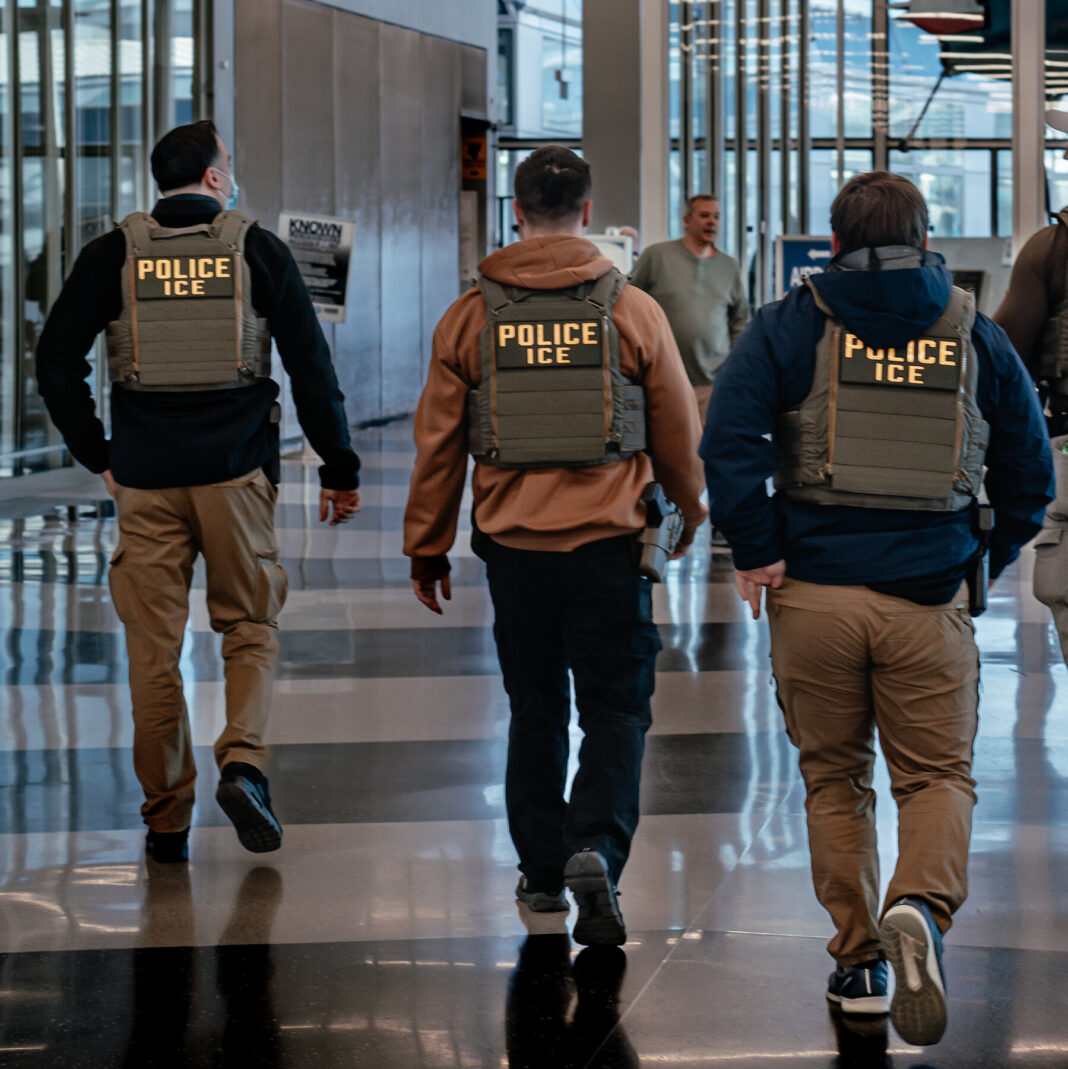
Immigration and Customs Enforcement has proposed issuing agents electric-shock gloves, a move the Department of Homeland Security frames as a tool for de-escalation. Critics, however, argue the technology could increase the likelihood of physical confrontations.
The gloves, which deliver a controlled electric charge upon contact, are designed to subdue individuals without the need for firearms or batons. Homeland Security officials say the device offers agents a safer alternative in volatile situations where verbal commands fail.
According to the proposal, the gloves would be used in limited circumstances, primarily when an agent faces immediate resistance. The department emphasized that the shock intensity is calibrated to cause temporary muscle disruption rather than lasting harm.
Opponents have voiced concern that the gloves lower the threshold for using force. Civil liberties advocates point to past instances where non-lethal tools escalated rather than reduced violence, citing cases of taser-related injuries and fatalities.
The announcement has also drawn scrutiny over training protocols. Questions remain about how often agents would practice with the gloves, and whether misuse would be properly documented or reviewed.
The agency’s records show that similar devices have been tested in other law enforcement branches, but results have been mixed. Some departments reported fewer injuries, while others saw no significant change in confrontation outcomes.
Immigration enforcement has faced heightened public attention, and this proposal adds another layer to that debate. The gloves are expected to undergo a pilot program before any wide-scale rollout is approved.
Homeland Security has not set a timeline for the pilot program or specified which field offices would participate. The plan remains subject to internal review and potential congressional oversight.