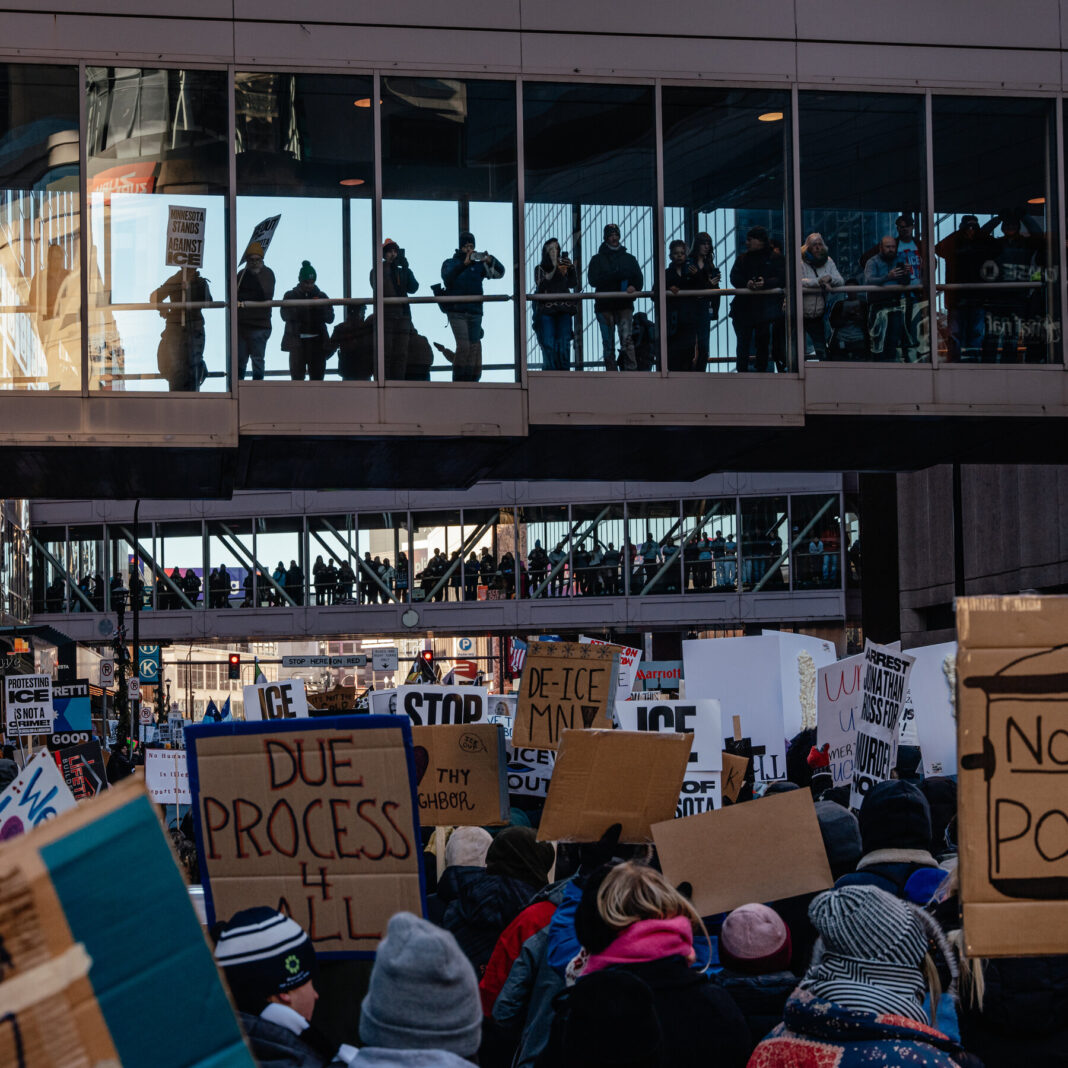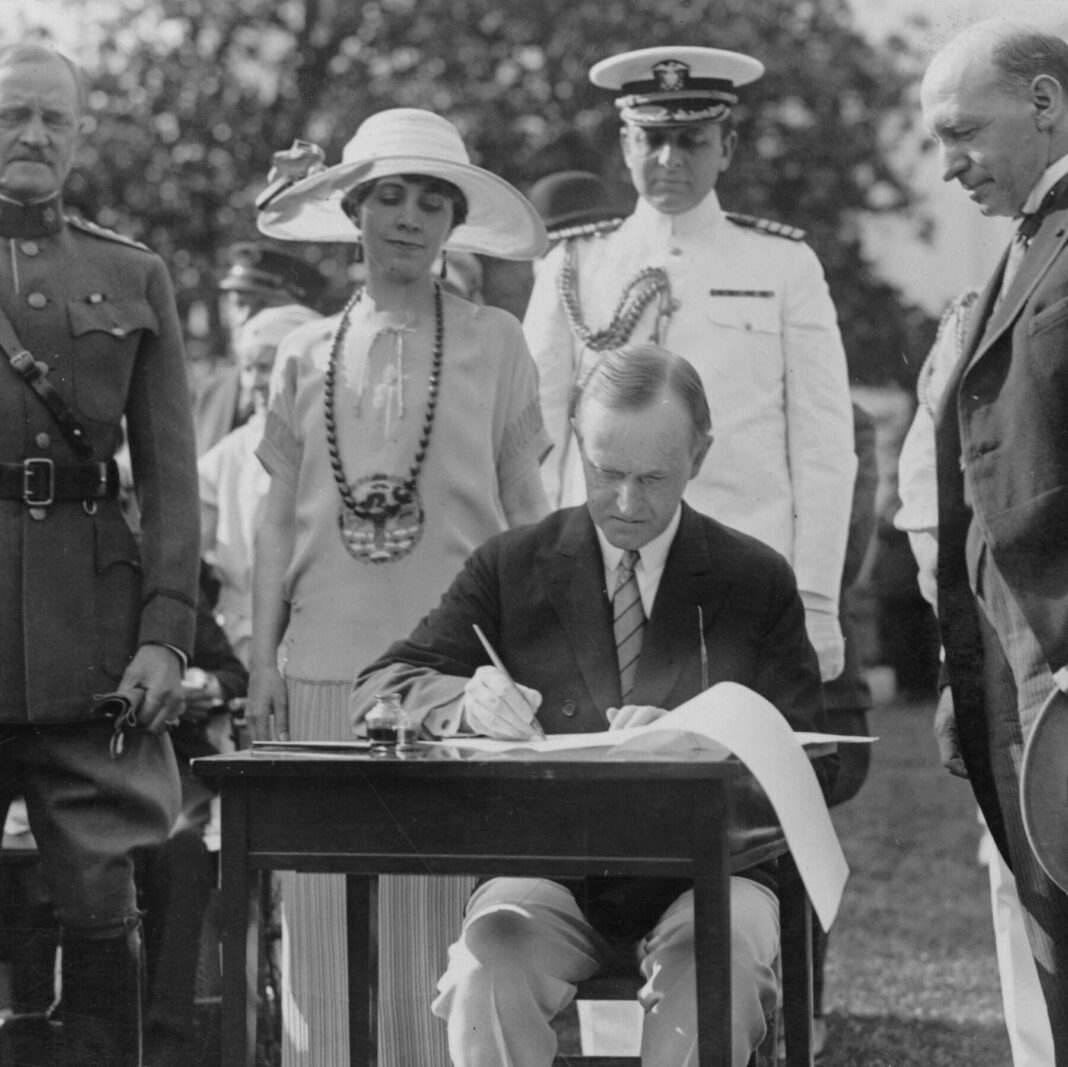
The United States is witnessing an immigration enforcement effort that historians say mirrors the restrictive policies of the 1920s. That earlier period saw Washington limit immigration amid economic instability and social upheaval. The current administration’s approach draws clear parallels to that era’s crackdown.
A key difference separates the two moments, however. The 1920s restrictions passed through Congress with legislative debate and approval. Today’s actions are being implemented through executive authority, bypassing the legislative branch entirely.
Immigration historians point to the earlier era as a defining chapter in U.S. border policy. In the 1920s, lawmakers set strict national quotas that reshaped the country’s demographic landscape. Those measures came as a response to post-war anxiety and fears over cultural change.
Current enforcement policies under the Trump administration are producing similar outcomes, according to experts. Deportation rates and border restrictions have intensified without new legislation from Congress. This unilateral approach marks a significant shift in how immigration policy is enacted.
The lack of congressional involvement changes the political dynamics of the crackdown. Legislative action in the 1920s created a public record of debate and compromise. Executive orders and administrative rules, by contrast, can be reversed or expanded with a stroke of the pen.
Historians caution against drawing overly direct comparisons between the two periods. The social and economic contexts differ in crucial ways, including the scale of global migration today. Still, the underlying motivations, such as national security concerns and economic pressure, remain consistent.
Legal challenges are already emerging in response to the current enforcement measures. Courts are being asked to determine the scope of executive power in immigration matters. These disputes could shape the future of policy long after the administration leaves office.
The policy’s impact is being felt most sharply in communities with large immigrant populations. Advocates argue the crackdown has created widespread fear and uncertainty. Supporters, meanwhile, say the measures are necessary to uphold the rule of law.
Observers note that the executive-only path may prove less durable than past legislative efforts. A future president could dismantle the current framework without needing congressional approval. That fragility stands in contrast to the 1920s laws, which endured for decades.
The debate over immigration remains one of the most divisive issues in American politics. The current approach has intensified that division by centralizing decision-making in the White House. Historians will likely continue to examine whether this method achieves lasting change or provokes a backlash.
For now, the enforcement machinery is moving forward at a rapid pace. Whether it succeeds in reshaping immigration patterns remains an open question. The answer will depend on the courts, public opinion, and the political will of future leaders.