Federal authorities launched a broad surveillance operation during an immigration enforcement push in Minnesota, according to newly released records. The investigation targeted left-leaning organizations that were never charged with any crime.
Agents infiltrated private group chats and obtained financial records from multiple advocacy groups. The operation extended well beyond the scope of the original immigration crackdown, documents show.
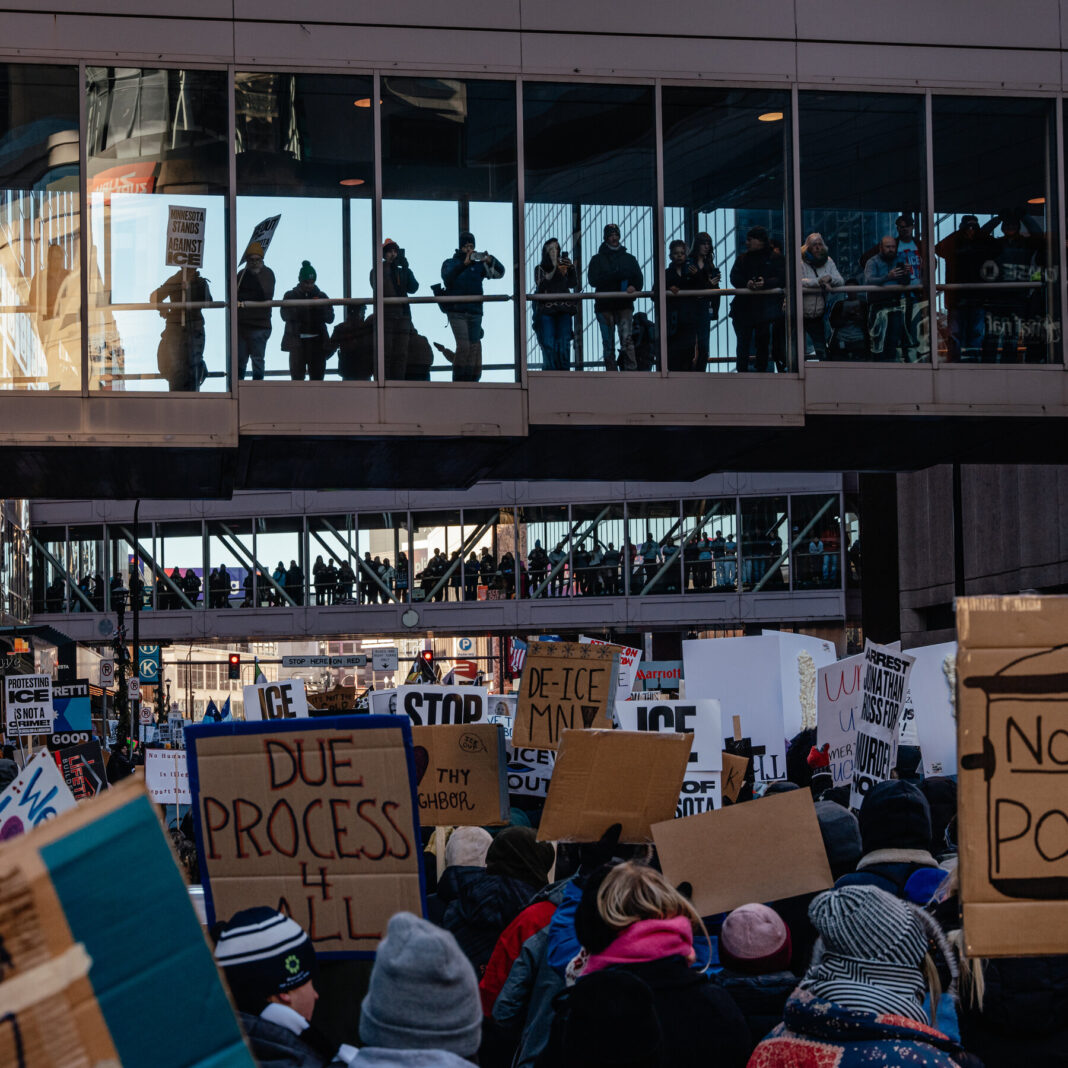
The surveillance included monitoring of protest organizers and community leaders. Officials collected data on individuals and entities with no direct connection to the immigration enforcement actions.
Records indicate the investigation spanned several months and involved multiple federal agencies. The breadth of the operation has raised questions about the legal thresholds used to justify such monitoring.
No criminal charges have been filed against the organizations involved. The groups have denied any wrongdoing and have called for greater oversight of federal investigative powers.
Legal experts say the case highlights tensions between national security objectives and civil liberties protections. The lack of charges has intensified scrutiny of the methods employed during the inquiry.
The Department of Homeland Security has not commented on the specific findings. The records were obtained through a public records request and reviewed by reporters.
Advocates argue the surveillance could have a chilling effect on lawful political activity. They note that infiltration of private communications requires a higher standard of justification under federal guidelines.
The full scope of the operation remains unclear, as parts of the records were redacted. Further details may emerge as additional documents are released or reviewed by oversight committees.