The use of AI to enhance property photos presents a growing ethical dilemma for short-term rental hosts. While the technology can correct minor imperfections, it raises significant questions about transparency and guest trust.
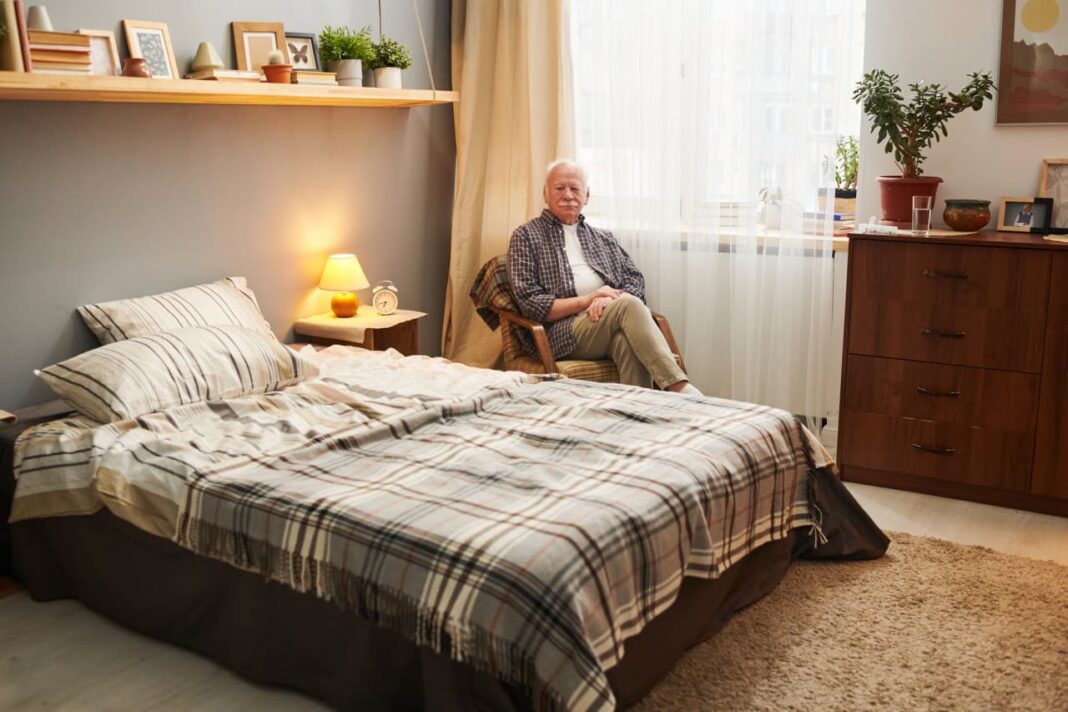
AI tools can adjust lighting, remove clutter, or virtually stage a room. This can make a space appear more inviting and polished in listing photographs. For hosts, this represents a powerful marketing advantage in a competitive marketplace.
However, the core ethical issue revolves around misrepresentation. Altering photos to hide material defects, significant wear, or the actual size of a room crosses a line. Guests rely on images to make informed booking decisions.
Industry guidelines from major platforms typically require photos to accurately represent the rental. Deliberately deceptive edits could violate terms of service and lead to listing penalties or removal. They also directly contribute to negative guest experiences.
The most sustainable approach is to use AI for subtle, corrective edits only. Improving brightness or color balance is generally acceptable, as it shows the space in its best light without altering its fundamental reality. Removing a temporary stain on a bedspread might be seen as minor correction.
Hosts should avoid using AI to generate entirely fake views, insert non-existent amenities, or dramatically change layouts. Such practices erode the foundational trust of the sharing economy and often result in poor reviews and guest disputes.
Ultimately, the ethical standard hinges on intention. Edits should aim to present the property honestly, not create a fantasy version. Clear, accurate photos lead to satisfied guests, repeat bookings, and a stronger reputation.