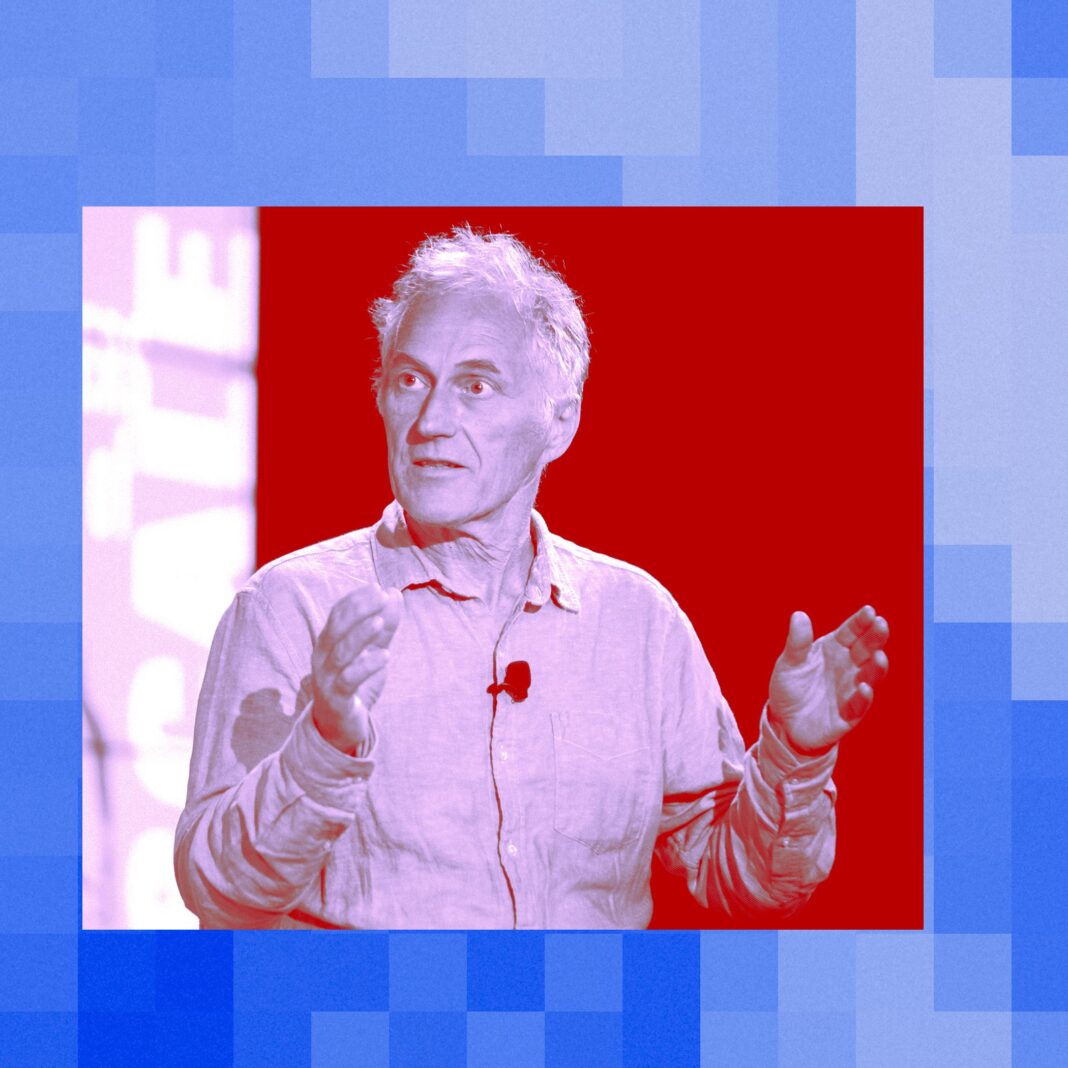
Tim O’Reilly built a publishing empire that AI is helping to disrupt. Yet he remains a strong supporter of the technology—provided it stays open source.
O’Reilly, a longtime tech observer and founder of O’Reilly Media, argues that major AI labs are missing what users truly need. He believes their focus on closed, proprietary models creates a gap between what they offer and what people actually want to use.
In his view, the biggest AI companies are racing to build ever-larger systems. But they often overlook practical, everyday problems that smaller, open tools could solve more directly. This mismatch, he says, leaves many potential users underserved.
Open source AI, O’Reilly contends, offers a different path. It allows developers to modify, share, and improve models without waiting for corporate approval. That flexibility, he argues, leads to more useful and trustworthy applications than a one-size-fits-all product.
His critique is not purely academic. O’Reilly’s own business, which built a reputation publishing technical books and training materials, has felt the impact of generative AI. The technology now provides instant answers that once required searching through thousands of pages of documentation.
Despite that disruption, O’Reilly does not call for slowing AI development. Instead, he pushes for a more decentralized approach, where smaller players and independent developers can shape the technology’s direction.
He also warns against concentrating power in a few dominant firms. When a handful of labs control the most advanced models, he argues, they also control the narrative around what AI can and should do. That centralization, he says, can stifle innovation and limit public benefit.
For O’Reilly, the solution is not to abandon AI but to rethink its governance. Open systems, he believes, can deliver real value while keeping checks and balances intact. He urges the industry to focus less on scale and more on relevance.
His position highlights a growing debate within the tech world. As generative AI reshapes industries, the tension between open and closed development grows sharper. Whether the big labs will listen remains an open question.