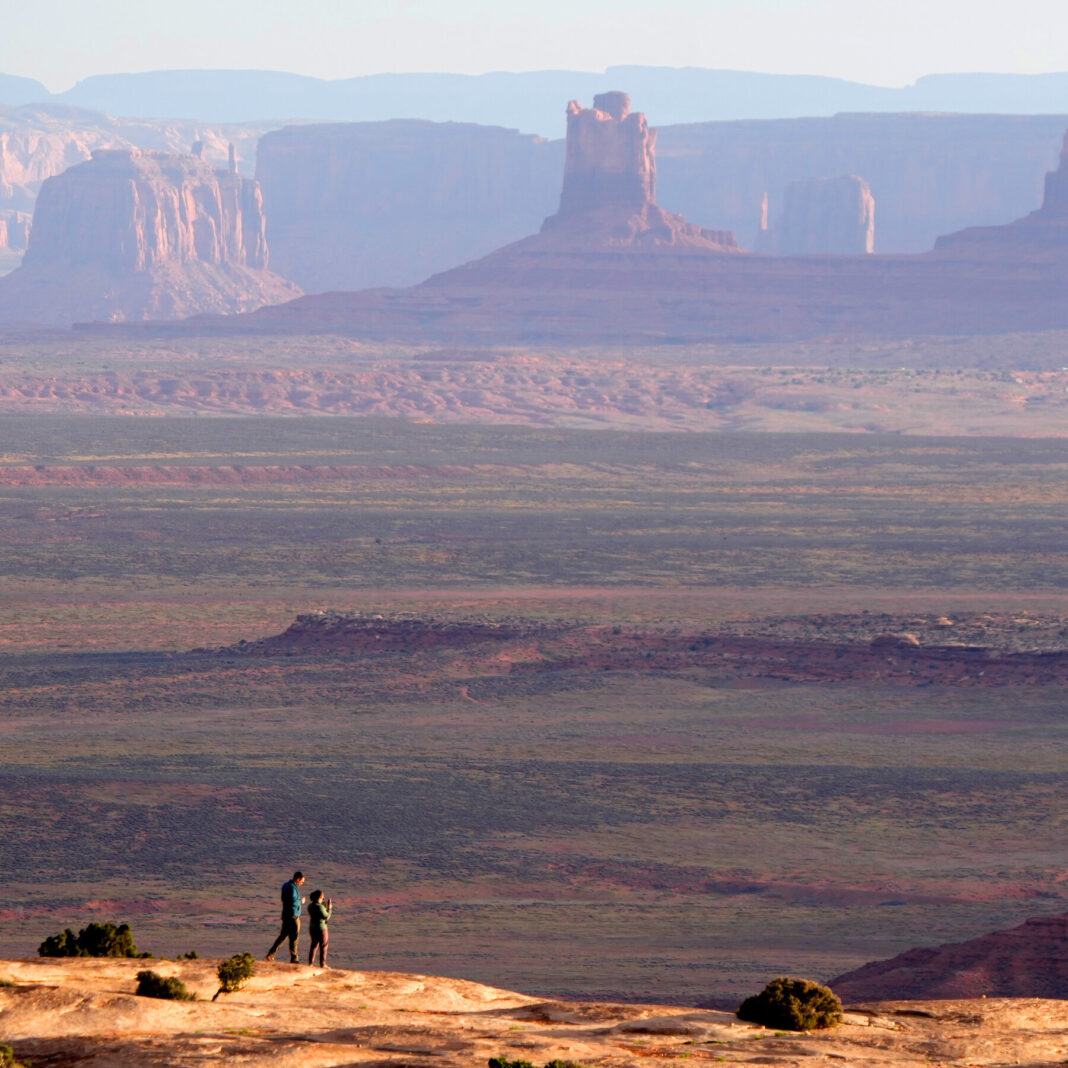
Prospectors have filed new mining claims on land removed from Bears Ears and Grand Staircase-Escalante National Monuments in Utah. The move follows the federal government’s decision to shrink the protected areas. Mineral seekers are now targeting deposits that were previously off-limits to extraction.
The claims cover sections of territory that once fell within the monuments’ original boundaries. These lands were opened to development after the administration reduced the size of both sites. The action reverses decades of federal protection for the region.
Mining interests have long identified valuable minerals in the area, including uranium and vanadium. The recent policy shift allows companies and individuals to stake claims on public land. This process grants them the right to explore and potentially extract resources.
Local officials have expressed support for the development, citing economic benefits. They argue that increased mining activity could bring jobs to rural communities. Environmental groups, however, have raised concerns about damage to cultural and natural resources.
The Bears Ears area holds particular significance for Native American tribes. It contains thousands of archaeological sites and sacred artifacts. Tribal leaders have condemned the mining claims, calling for the restoration of full monument status.
Grand Staircase-Escalante is known for its rugged landscapes and fossil records. Scientists worry that mining operations could disturb paleontological treasures. The region also serves as habitat for several rare plant and animal species.
Legal challenges to the monument reduction are currently pending in federal court. A ruling could determine the future of these mining claims. Until then, prospectors are moving forward with their exploration plans.
The Interior Department has said it will process claims according to standard procedures. Officials have noted that environmental reviews will still apply to any proposed mining operations. No extraction permits have been issued as of yet.
This development marks a significant shift in land management policy. The outcome of the court case will likely shape access to public lands for years to come. Both industry advocates and conservationists are watching closely.