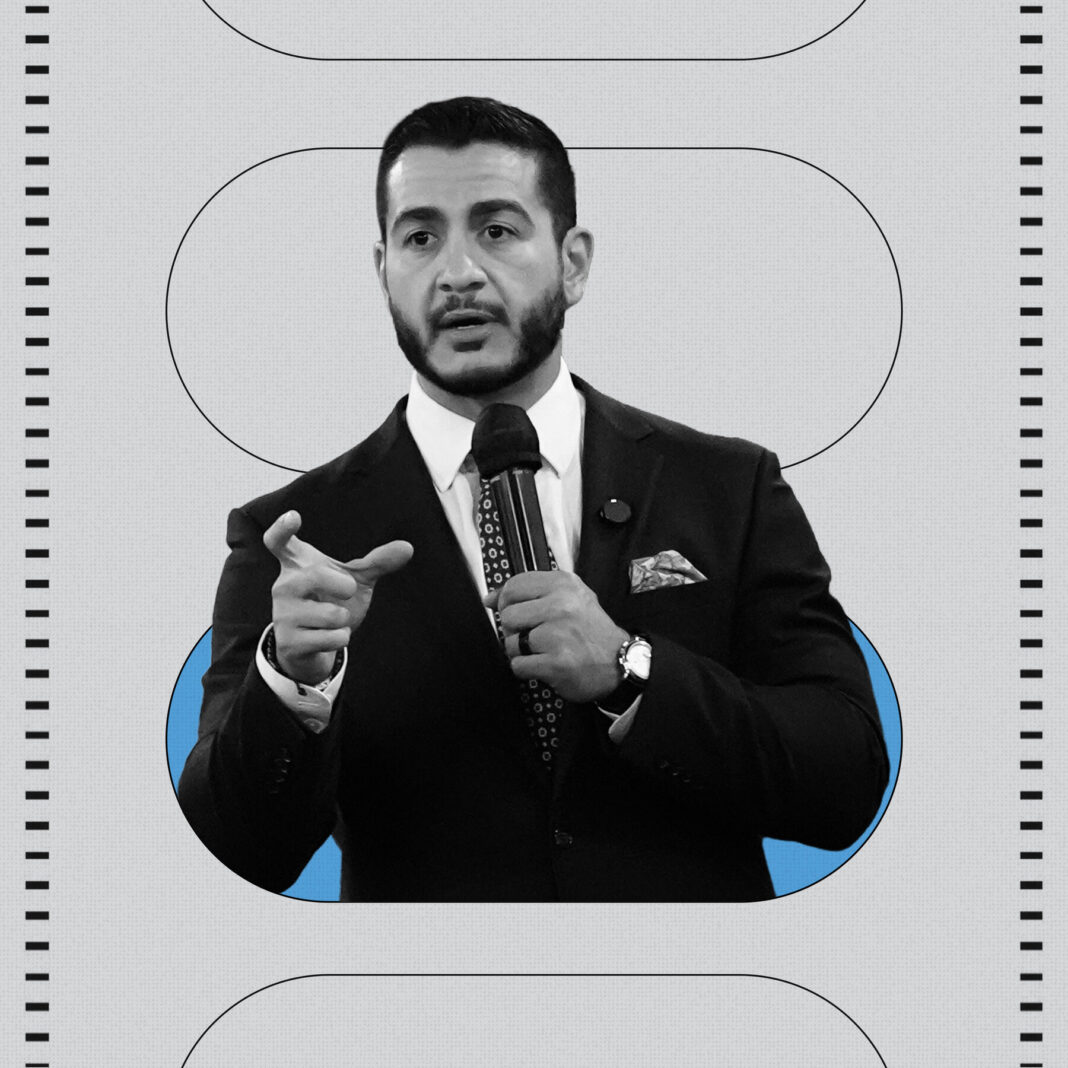
Michigan’s Democratic primary has become a flashpoint for a broader national debate about the electoral strength of the activist left. The candidacy of Abdul El-Sayed, a progressive physician and former state health director, is drawing intense scrutiny from party strategists. His campaign for governor has reignited questions about whether grassroots energy can translate into general election success.
Recent electoral data suggests that not all progressive candidates perform equally at the ballot box. Analysis from political scientists indicates that candidates who identify with the activist wing often underperform compared to their more moderate Democratic counterparts. This pattern holds true even in districts where the party holds a significant registration advantage. The implications for Michigan, a pivotal battleground state, are substantial.
El-Sayed’s platform includes Medicare for All, tuition-free public college, and a state-level Green New Deal. These positions have galvanized a dedicated base of volunteers and small-dollar donors. However, polling within the primary race shows a tight contest, with El-Sayed trailing in some surveys against more established opponents. The concern among Democratic insiders is not about his authenticity but about his electability in a general election.
Historical precedent offers a cautionary tale. In 2018, several high-profile progressive insurgents lost winnable races across the country. While those defeats were often attributed to national headwinds, deeper analysis points to a consistent gap in voter appeal. Independent and swing voters, who often decide Michigan elections, frequently favor candidates with a broader, more centrist message. The state’s working-class suburbs and rural areas remain skeptical of far-left positioning.
The El-Sayed campaign disagrees with this assessment, arguing that their turnout model will offset any potential losses with moderates. His team points to robust engagement in college towns and urban centers as evidence of a new coalition. They argue that inspiring younger voters and disaffected independents will create a net positive advantage. This theory, however, has yet to be proven in a statewide contest.
Republican strategists are watching the primary with keen interest. They believe a progressive nominee could soften Democratic appeal in key counties like Macomb and Oakland, which were crucial to recent GOP gains. Pro-Republican outside groups have already begun running advertisements in Michigan, not attacking El-Sayed, but boosting his profile among Democratic primary voters. The tactic is a classic move designed to nominate the weaker opponent.
The stakes for Michigan’s Democrats extend beyond a single gubernatorial race. A loss in November could imperil down-ballot contests for attorney general, secretary of state, and state legislative seats. The party’s ability to hold the statehouse hinges on maintaining a broad coalition of suburban moderates and urban liberals. Choosing a nominee who cannot bridge that divide poses a serious structural risk.
Primary voters face a fundamental choice between ideological purity and pragmatic coalition-building. While El-Sayed’s campaign has energized a passionate segment of the party, the data suggests that passion alone rarely wins statewide office. The final decision will likely rest on whether Democratic voters believe the state’s diverse electorate is ready for a progressive revolution. The answer will shape Michigan’s political landscape for years to come.