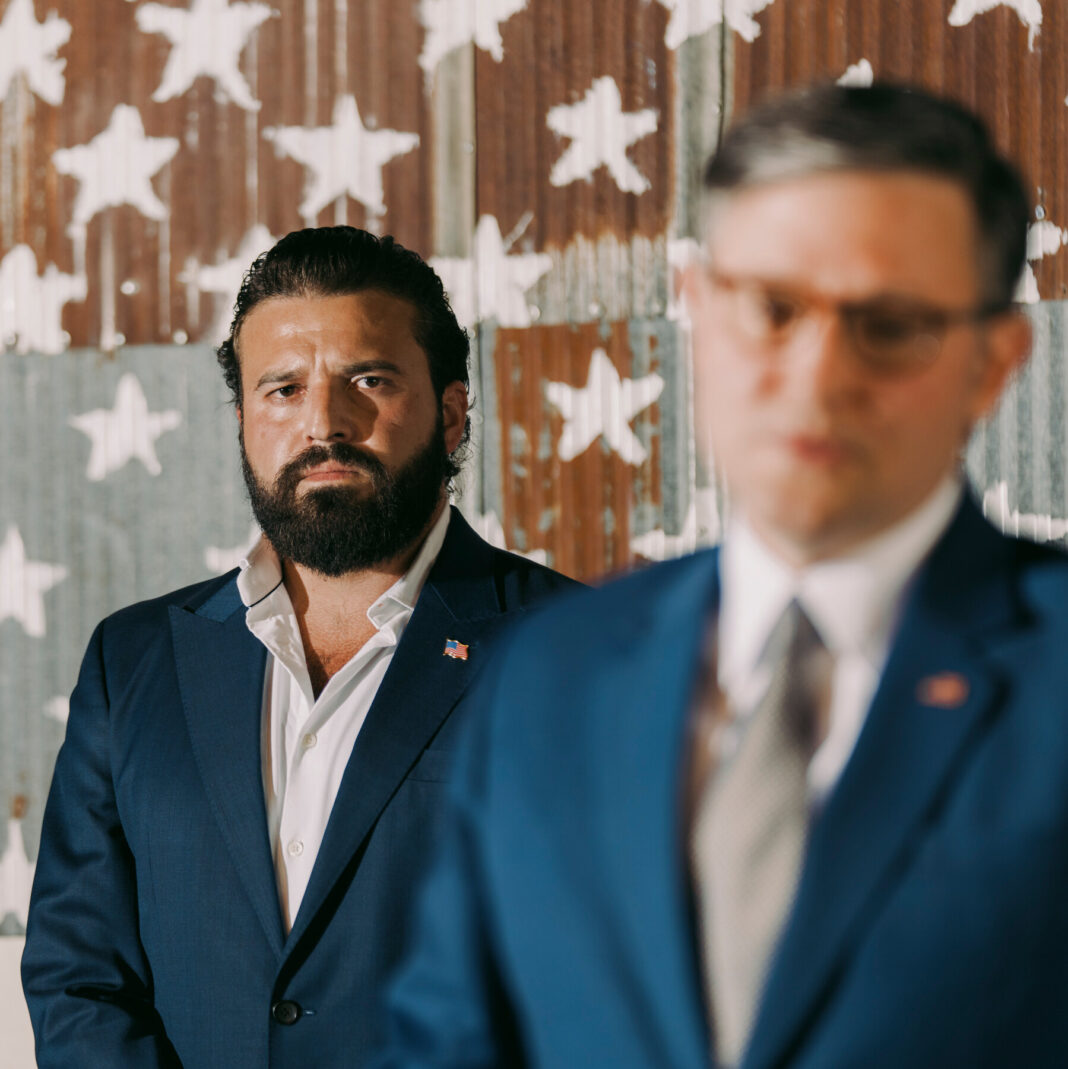
Brandon Herrera, a prominent gun-rights influencer and self-described anti-establishment figure, is now working to defend a Republican-held House seat in West Texas. The party’s embrace of the candidate has proven complicated. Herrera, who built a large online following through firearms content, is stepping into a political role that pits his outsider brand against the demands of a traditional congressional campaign.
The district, which leans Republican, has become a focal point for national GOP strategists. They see Herrera as a way to energize younger, online-savvy voters who might otherwise stay home. However, his history of provocative statements and clashes with party leadership has created friction. Local Republican officials have expressed mixed feelings about his candidacy, even as national figures offer cautious support.
Herrera’s campaign has leaned heavily on his digital presence, using short videos and live streams to bypass traditional media. This approach has drawn thousands of new donors and volunteers, but it has also alienated some older, established party members. The tension between his online persona and the need for legislative credibility remains a central challenge.
In recent months, Herrera has attempted to moderate his message, focusing on border security and energy policy rather than cultural grievances. Yet his past comments continue to surface in opponent advertisements. Democratic challengers in the district have seized on these moments, framing him as too extreme for the seat.
The Republican primary that brought Herrera to this point was itself divisive. He defeated a sitting incumbent, a move that stunned the party establishment. That victory energized grassroots conservatives but left lingering resentment among those who backed the incumbent. Herrera now faces the task of uniting these factions for the general election.
National GOP leaders, including former President Donald Trump, have formally endorsed Herrera. That endorsement has helped shore up funding and legitimacy. Still, questions remain about whether his style can translate to governing. Herrera has promised to prioritize local issues, but his national profile often pulls attention elsewhere.
Political analysts note that Herrera’s race will test the broader influence of online influencers in mainstream politics. His ability to win could signal a shift in how campaigns operate. A loss, on the other hand, might reinforce the limits of digital fame in traditional districts.
For now, Herrera continues to hold rallies and broadcast directly to his supporters. He acknowledges the messy nature of his path but argues that change requires disruption. The outcome in November will offer a clear verdict on whether the party’s gamble pays off.