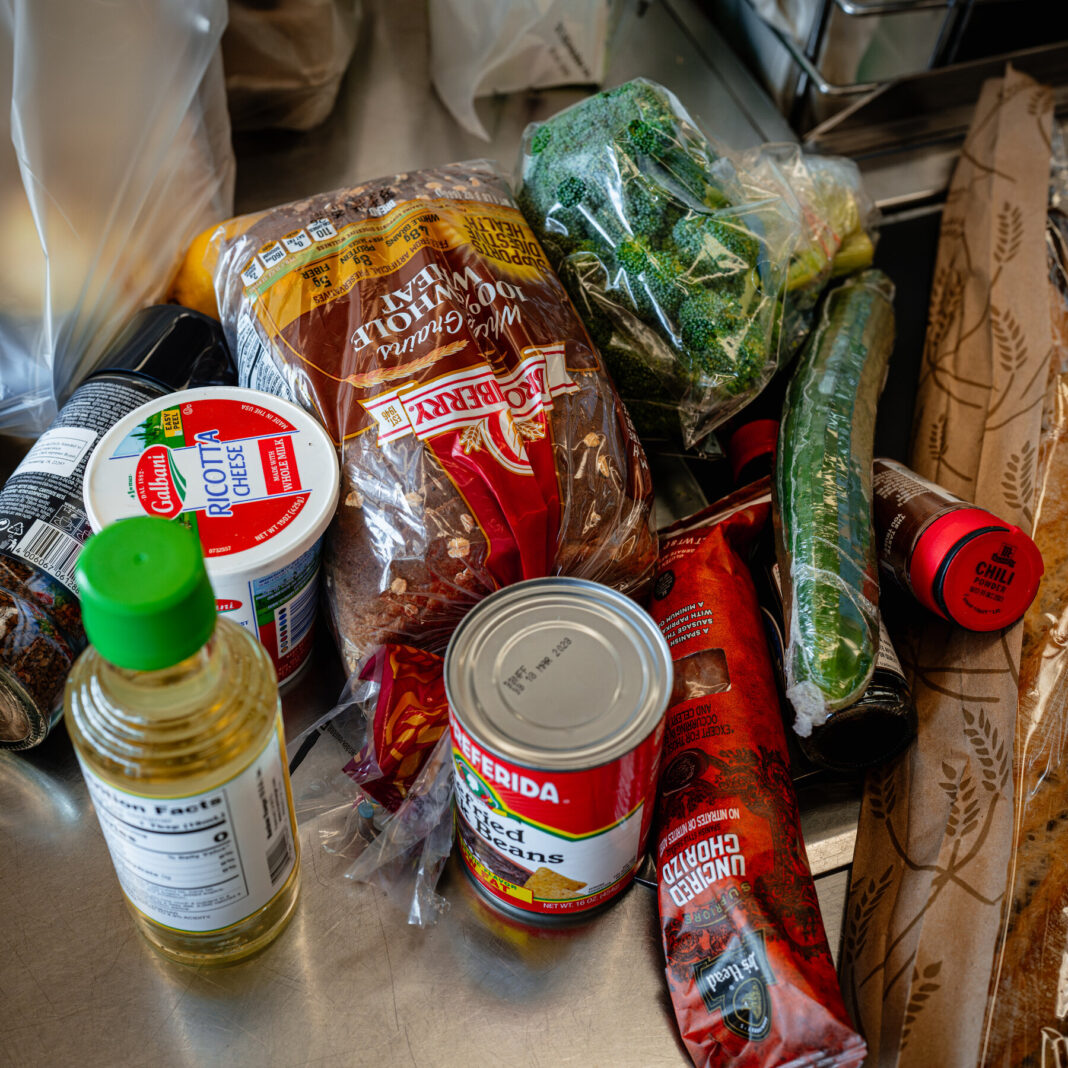
Meal planning, strict grocery lists, and zero food waste formed the foundation of a $28-per-day family food budget. The strategy worked, though it required consistent effort and discipline.
The approach centered on building meals around affordable staples like grains, beans, and seasonal vegetables. Protein portions were kept moderate, with costlier items like meat and cheese used sparingly as flavor accents rather than main components.
Leftovers were repurposed rather than stored indefinitely. A roast chicken became sandwiches, then soup, then stock. Vegetables nearing their end were roasted or pickled to extend their shelf life.
Batch cooking on weekends cut weekday time pressure and reduced the temptation to order takeout. The author prepared large quantities of grains, sauces, and cooked proteins to mix and match throughout the week.
Shopping was limited to one planned trip per week. The list was built after reviewing what was already in the pantry, preventing duplicate purchases and impulse buys.
The budget allowed for small treats, but they were planned into the weekly menu. Desserts, snacks, and beverages were homemade versions of store-bought favorites, reducing both cost and packaging waste.
The author noted that this system is not easy or suited for every household. It demands time for cooking, planning, and cleaning, which may not be realistic for all schedules or skill levels.
However, the results were clear: a full week of nutritious, varied meals without exceeding the daily target. The method proved that conscious planning, not expensive ingredients, drives a successful food budget.