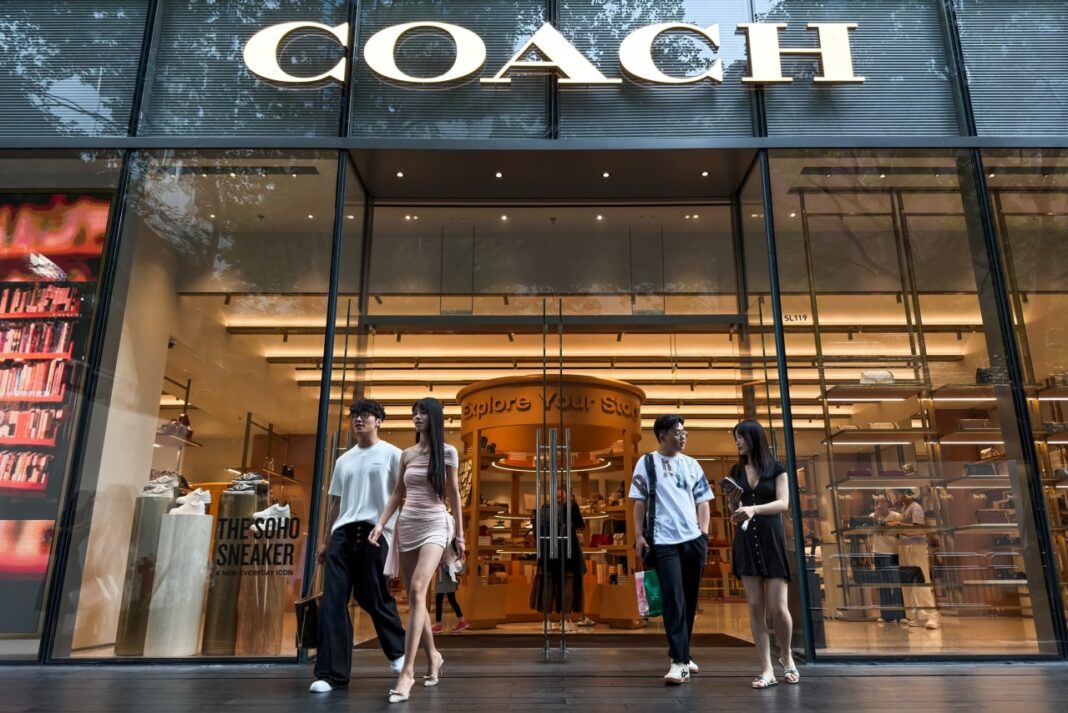
Coach and Ralph Lauren continue to grow because they have quietly mastered the middle-class market. Their secret weapon appears to be simple accessories, including tennis socks priced around $12. These small-ticket items keep the brands relevant without alienating budget-conscious shoppers.
The strategy hinges on accessibility. While high-end handbags and tailored suits command premium prices, entry-level goods offer a gateway for aspirational buyers. Socks, scarves, and similar items allow customers to engage with a luxury label without a major financial commitment.
This approach benefits both sides of the transaction. Shoppers gain a tangible sense of brand affiliation at a manageable cost. The companies, in turn, build loyalty and repeat traffic that extends beyond a one-time purchase.
Analysts note that the tactic has helped these American labels outperform rivals during uneven economic conditions. Middle-class consumers have grown more selective about spending, yet they still seek quality and status in smaller doses.
The pricing is deliberate. At $12, a pair of tennis socks feels like an impulse buy, not a splurge. That positioning keeps the brands in daily consideration rather than relegating them to occasional luxury purchases.
Coach and Ralph Lauren have also expanded their product ranges to include more entry-level items. This balances their premium lines and captures a wider demographic, from young professionals to retirees on fixed incomes.
The larger lesson is clear. Luxury does not always mean expensive across the board. By offering affordable touchpoints, these brands sustain growth while protecting their upscale image.
Such moves reflect a broader retail trend. Accessibility and affordability now coexist with heritage and prestige, a formula that appears to be paying off.