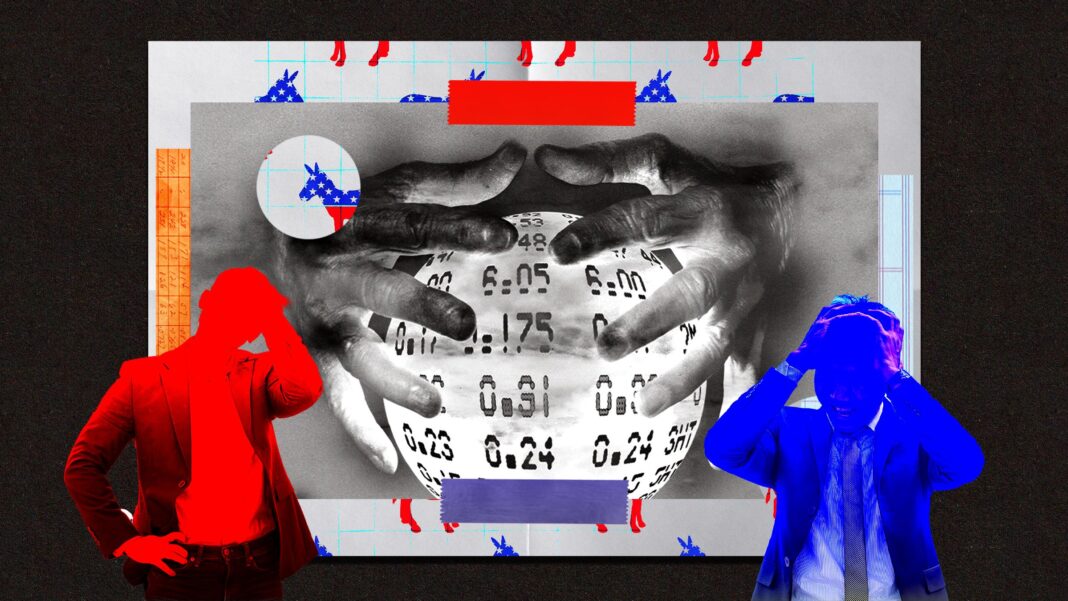
Election officials across the United States are bracing for disruption as prediction markets gain traction ahead of the midterms. These platforms, which allow users to bet on political outcomes, are already complicating the electoral process. Concerns range from heightened security risks for poll workers to widespread confusion among voters about what odds actually mean.
Prediction markets operate by letting participants buy and sell shares tied to specific events, such as which party will win a Senate seat. The prices of these shares fluctuate based on demand, creating a real-time snapshot of perceived probabilities. While proponents argue these markets offer valuable forecasting data, critics warn they blur the line between speculation and factual reporting.
One major worry is that voters may misinterpret market odds as definitive results. A candidate trailing in prediction market prices could be seen as losing, even when polls show a tight race. This misreading can influence turnout, with supporters potentially staying home if they believe the outcome is already decided. Officials fear this dynamic could suppress voter engagement in key districts.
The safety of election workers is another pressing issue. Prediction markets amplify the stakes of close contests, and intense public focus on fluctuating odds can fuel hostility toward those administering votes. Local election offices have reported an uptick in harassment, with some workers facing threats linked to speculative trading activity. Security measures are being tightened, but resources remain limited.
Legal ambiguity adds to the strain. Federal regulators have yet to establish clear rules governing these platforms, leaving states to navigate a patchwork of policies. Some jurisdictions have moved to ban or restrict betting on elections, while others allow it to proceed unchecked. This inconsistency creates confusion for both market operators and the public.
Disinformation risks are also escalating. Malicious actors could manipulate market movements to create false narratives about a candidate’s viability. A sudden drop in prices, even without factual basis, might be amplified on social media as evidence of weakness. Officials are urging voters to rely on official sources rather than speculative numbers.
Despite these challenges, prediction markets show no signs of slowing down. Their popularity reflects a broader trend of gamified political engagement, where users treat elections as both civic duties and investment opportunities. Experts suggest that clearer regulations and public education campaigns could mitigate some harms, but action has been slow.
For now, election officials are focused on practical defenses. They are monitoring market activity, coordinating with law enforcement, and pushing for federal guidance. The goal is to ensure that speculation does not undermine the integrity of the voting process. As the midterms approach, the tension between free-wheeling markets and democratic stability remains unresolved.