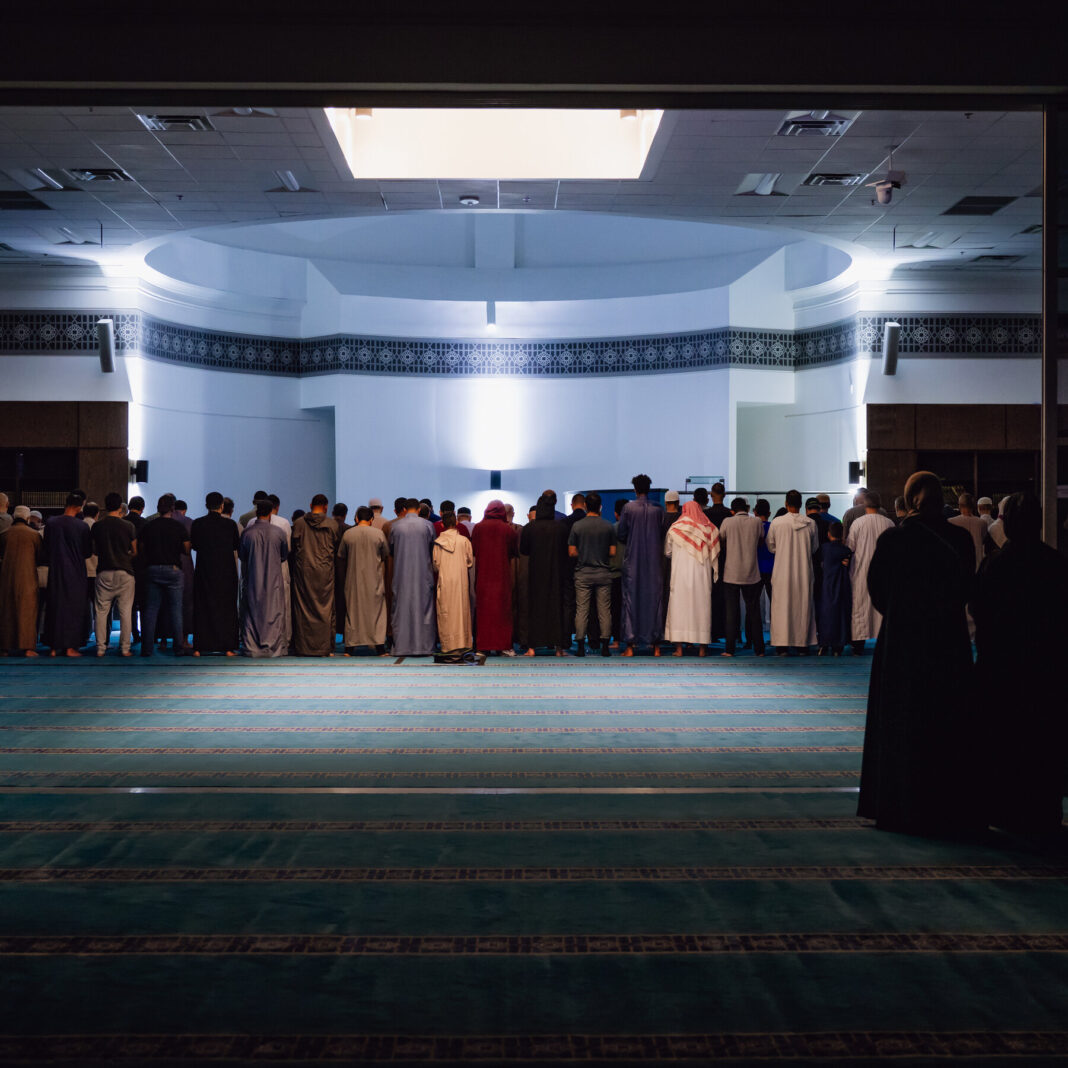
Muslim communities have expanded steadily across Texas for decades, with significant growth centered around the Dallas-Fort Worth metroplex. That long-established presence now faces mounting political pressure as conservative groups push for restrictive policies. The shift marks a notable change in how anti-Muslim sentiment operates in the state.
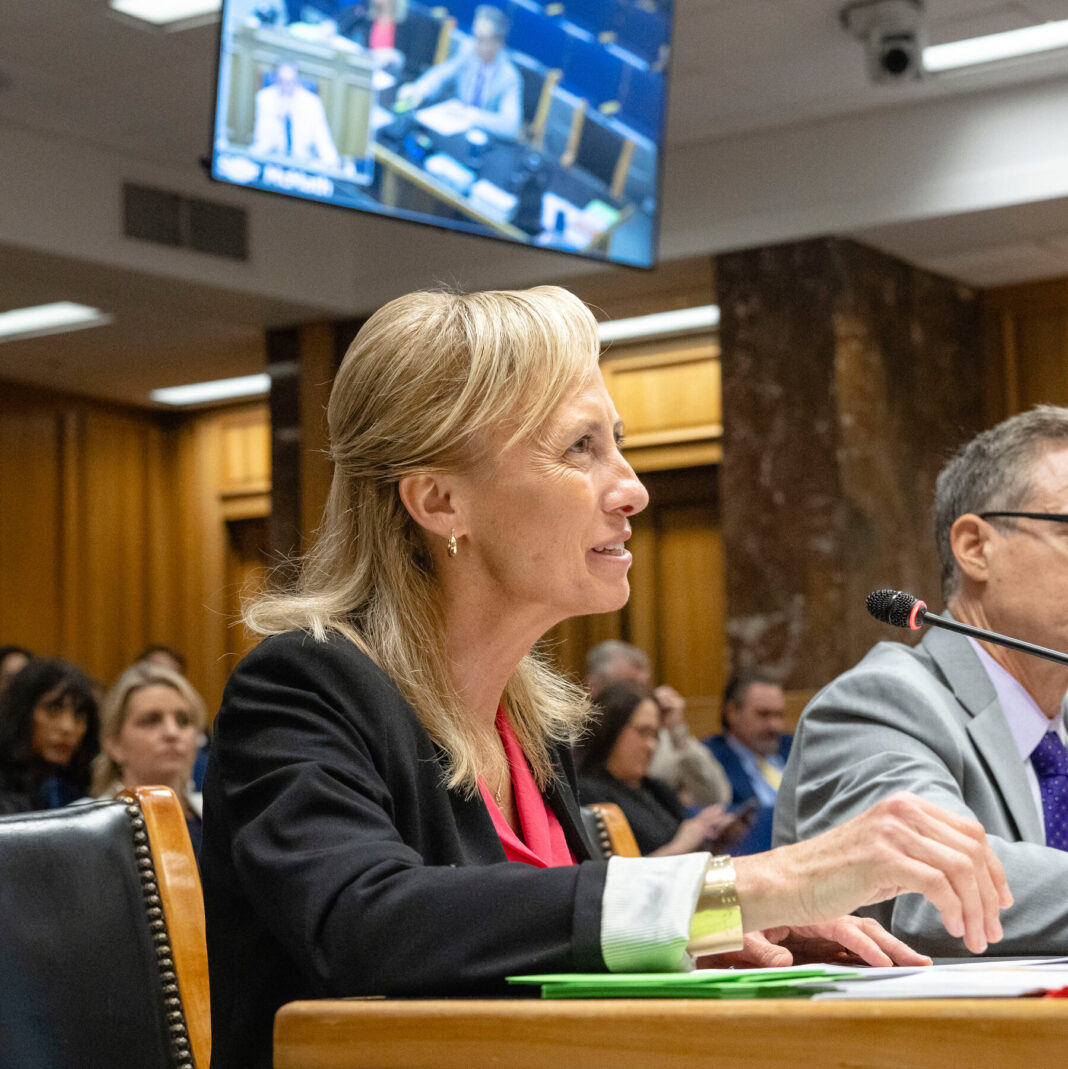
Previously, such views remained on the political fringe, dismissed by mainstream leaders. Recent years have seen a transformation, with Islamophobic rhetoric appearing in local campaigns and legislative agendas. Texas lawmakers have introduced multiple bills targeting Muslim practices, including restrictions on religious accommodations and heightened scrutiny of charitable giving.
The movement gained traction through organized networks that blend religious activism with political strategy. These groups frame their efforts as protective measures, citing national security concerns and cultural preservation. Their messaging has resonated with segments of the electorate, particularly in suburban districts that have experienced rapid demographic change.
Community leaders in Dallas describe a tangible shift in daily life. Mosques report increased vandalism and harassment incidents. Muslim professionals note subtle discrimination in workplaces and housing markets. Families express hesitation about wearing traditional clothing in public spaces, a precaution unheard of a decade ago.
Demographic data explains part of the dynamic. The Muslim population in Texas has grown by roughly 40 percent since 2010, concentrated in affluent suburbs north of Dallas. These areas have become political battlegrounds, with candidates using anti-Muslim platforms to mobilize conservative voters. The strategy has proved effective in several recent primary elections.
Legal challenges have emerged against some of the new measures, with civil rights organizations arguing they violate constitutional protections. Court rulings have been mixed, leaving uncertainty about the future of pending legislation. Meanwhile, grassroots interfaith coalitions have formed to counter the narrative, emphasizing shared community values.
The trajectory suggests no immediate reversal of the trend. Political observers note that the framing has shifted from overt hostility to policy-focused arguments, making it harder to challenge. For now, Muslim Texans navigate a landscape where their presence is both established and increasingly contested, reflecting broader national debates about religion and belonging.