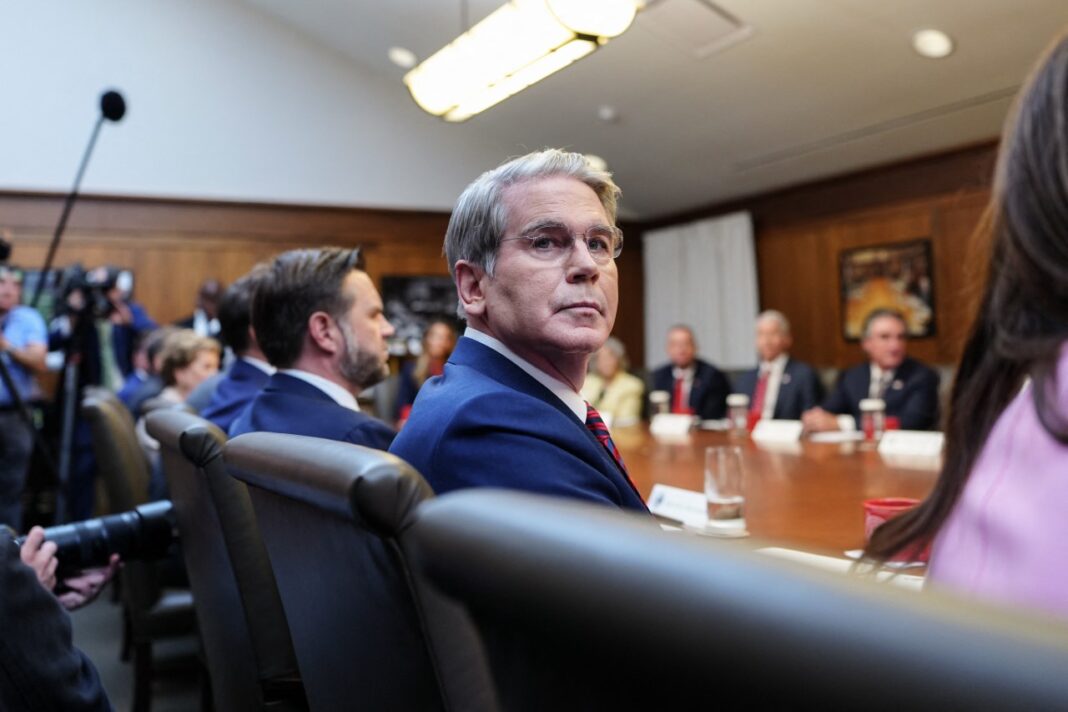
The Treasury market is facing unusual pressure, and Scott Bessent, the hedge fund manager known for his macro bets, is at the center of the conversation. His recent moves have caught the attention of investors who are trying to decode the signal behind the activity. The focus is on how capital demands are shifting the landscape for government debt.
A simple explanation for the current state of the market is that the world is entering a new era of capital need. This demand is driven by multiple sectors, including data centers, military spending, and the broader push for reshoring. These forces are creating a structural shift in how money flows through the financial system.
Investors are watching closely as the Treasury market absorbs this increased pressure. The yield curve has been moving in ways that suggest the market is pricing in new risks. Bessent’s positioning appears to be a response to these changes, rather than a random gamble.
The role of fiscal policy cannot be ignored in this equation. Government spending is rising to meet the needs of infrastructure and defense. This adds to the supply of Treasuries, which in turn affects pricing and yields across the board.
Market participants are now questioning whether the traditional models for Treasury trading still hold. The demand for capital is not temporary, and it is reshaping long-term expectations. This is why some investors are adjusting their portfolios to account for a persistent shift.
Bessent’s approach highlights a broader theme: the bond market is no longer a quiet corner of finance. It is becoming a battleground for ideas about growth and inflation. The moves are calculated, but they reflect a deep uncertainty about what comes next.
The implications stretch beyond Wall Street into the real economy. Higher borrowing costs can affect everything from mortgages to corporate loans. This makes the Treasury market a critical indicator for everyday financial decisions.
For now, the market remains in a state of flux. The new era of capital need is real, but its full impact is still unfolding. Investors would do well to watch the signals coming from those who are willing to take a stand.