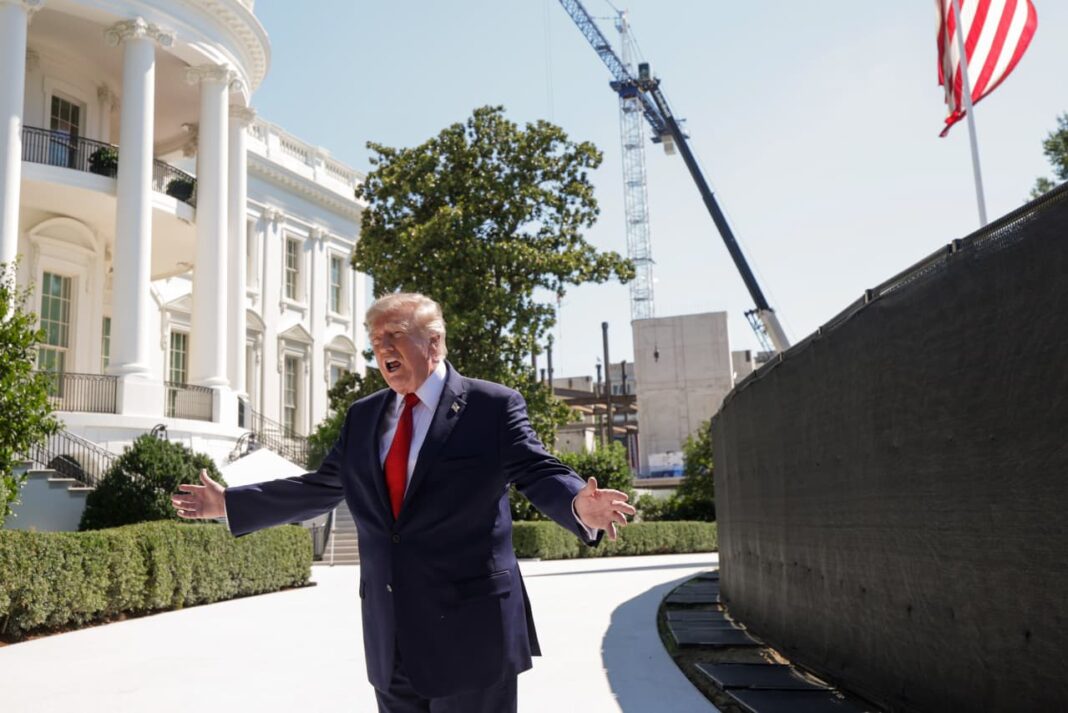
Former President Donald Trump urged Congress to pass a key cryptocurrency bill, the Clarity Act, as it faces hurdles in the Senate. He emphasized the necessity for legislative action, stating that Congress needs to take the next step.
The bill, designed to provide regulatory clarity for digital assets, is encountering opposition. Resistance stems from concerns that the legislation does not impose limits on Trump’s profitable crypto business ventures. These ventures have raised questions about potential conflicts of interest.
Supporters argue the Clarity Act would establish much-needed guidelines for the industry. It aims to define which digital tokens are securities and which are commodities, a distinction that has long been ambiguous. Clear rules could foster innovation and protect investors.
Critics in the Senate remain wary, focusing on the absence of restrictions related to the former president’s financial interests. They contend that without such provisions, the bill could enable undue influence. This has stalled its progress in the upper chamber.
Trump’s public push signals growing political attention on cryptocurrency regulation. His involvement adds a layer of complexity to the legislative debate. The outcome could shape the future of digital asset oversight in the United States.
Industry observers note that the bill’s fate may hinge on resolving these ethical concerns. Amendments could address the conflict-of-interest issue and gain wider support. However, any changes would require bipartisan agreement.
The legislative path forward remains uncertain as senators weigh competing priorities. Proponents continue to lobby for passage, citing economic benefits. Opponents demand stricter safeguards before advancing the measure.
The Clarity Act represents a pivotal moment for crypto policy. Its success or failure will likely influence subsequent regulatory efforts. Lawmakers face pressure to balance innovation with accountability in the digital finance sector.