President Trump appeared to signal that the United States would impose economic penalties on nations that continue to trade with Iran. He did not specify which actions might be taken or when they would be enforced.
The statement shifts attention toward Iran’s main commercial partners. China remains the largest buyer of Iranian oil, followed by other Asian economies that rely on discounted crude.
European firms with investments in Iran also face fresh uncertainty. Several companies had resumed business after the 2015 nuclear deal but now must weigh the risk of new sanctions.
Iran’s economy is already under pressure from existing restrictions. A reduction in oil exports could further strain government revenues and accelerate inflation.
Analysts note that previous attempts to isolate Iran through secondary sanctions had mixed results. Some partners reduced imports, while others found ways to bypass the measures.
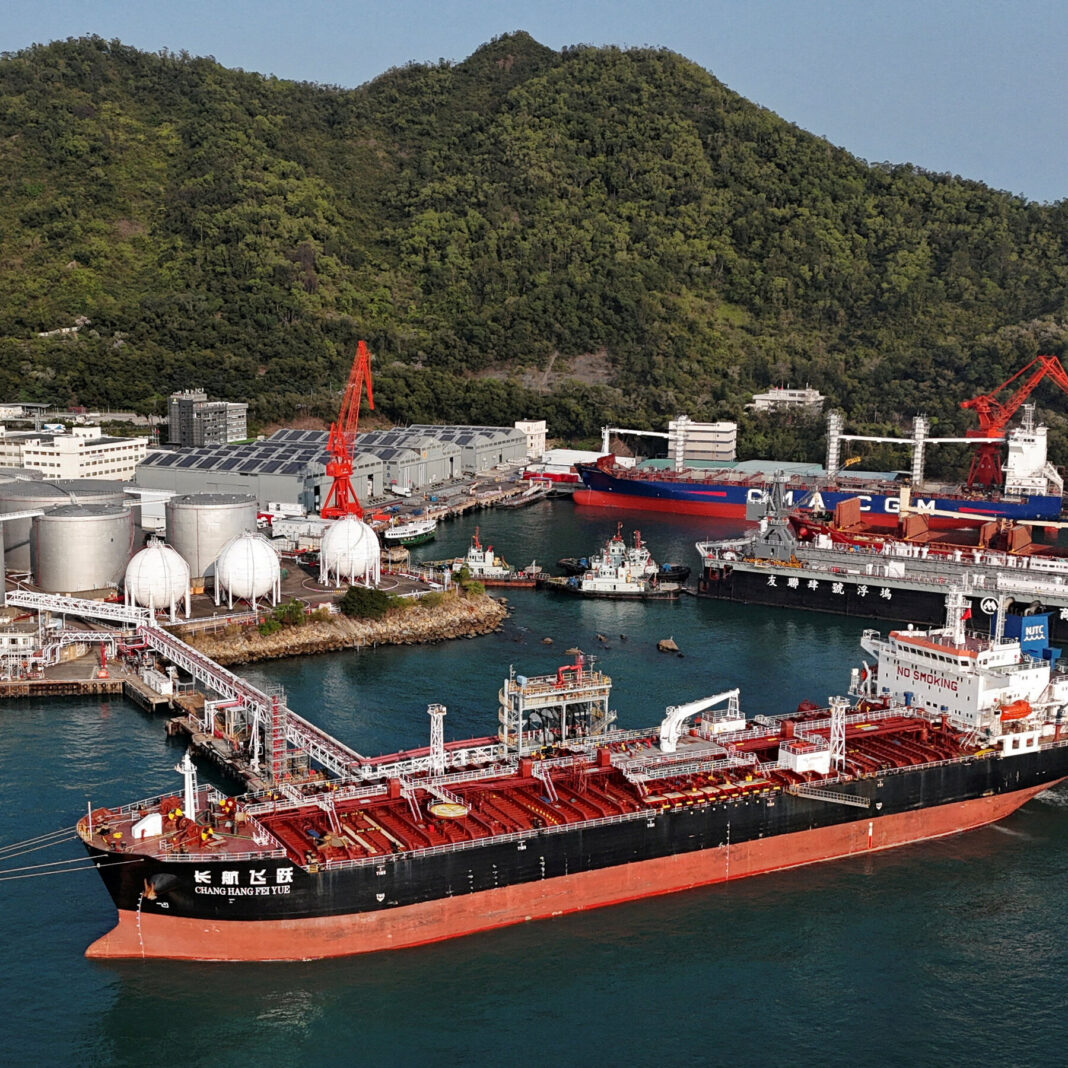
The lack of clear specifics in Trump’s remarks adds to the challenge for businesses and governments. A broad approach could affect supply chains in energy, shipping, and banking sectors.
China has not publicly responded to the latest threat. In past disputes, Beijing defended its trade with Iran as lawful and necessary for energy security.
Other trading partners, including India and Turkey, may seek exemptions. Washington has granted waivers in the past for countries that cut import volumes significantly.
The coming months will show whether the administration follows through with concrete measures. For now, uncertainty alone is already affecting market calculations.
Iran’s government has stated it will continue exporting oil through all available channels. It also maintains that regional diplomacy, not sanctions, is the way to resolve disputes.