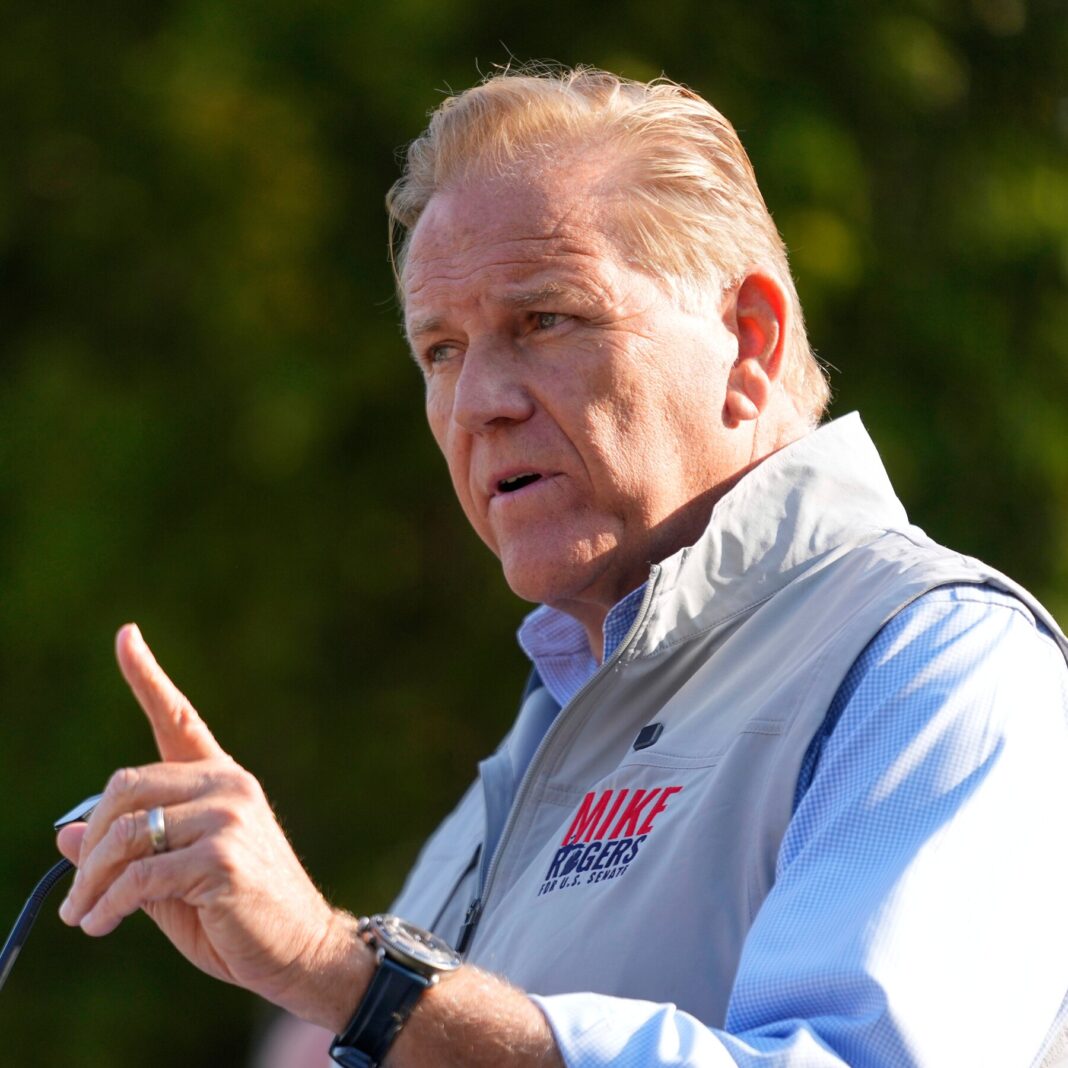
AIPAC, the prominent pro-Israel lobbying group, is gearing up for a significant financial push to support Mike Rogers, the Republican Senate nominee in Michigan. However, the candidate himself is reportedly hesitant about accepting the group’s backing.
The group has been preparing to spend heavily on advertising and campaign infrastructure to aid Rogers in the competitive race. Yet, sources indicate that Rogers is weighing the potential political consequences of aligning too closely with the organization.
Michigan’s electorate includes a substantial Arab American and Muslim population, many of whom have expressed strong views on U.S. foreign policy. Rogers’s hesitation appears tied to concerns about alienating these key voting blocs in a closely watched contest.
AIPAC has historically invested in lawmakers from both parties, but its recent focus has shifted toward candidates who align with its policy priorities. The group’s interest in Rogers signals its intent to play a decisive role in the state’s Senate race.
Rogers, a former congressman and FBI agent, has built his campaign on themes of national security and economic stability. His stance on foreign aid and Middle East policy remains under scrutiny as he navigates the delicate balance of fundraising and voter appeal.
Political analysts note that accepting AIPAC’s support could bring substantial financial resources, but it may also trigger backlash from progressive and pro-Palestinian groups. Rogers’s campaign has not issued an official statement regarding the group’s involvement.
The race in Michigan is expected to be one of the most expensive and closely contested Senate battles in the upcoming election cycle. AIPAC’s decision to target this race underscores its strategic emphasis on maintaining influence in battleground states.
As the election approaches, Rogers’s final choice on the matter will likely shape the tone of his campaign. Observers say the outcome could have broader implications for how other Republican candidates in diverse states approach similar alliances.
The situation remains fluid, and insiders suggest that private negotiations between Rogers’s team and AIPAC are ongoing. No definitive timeline for a public decision has been announced.