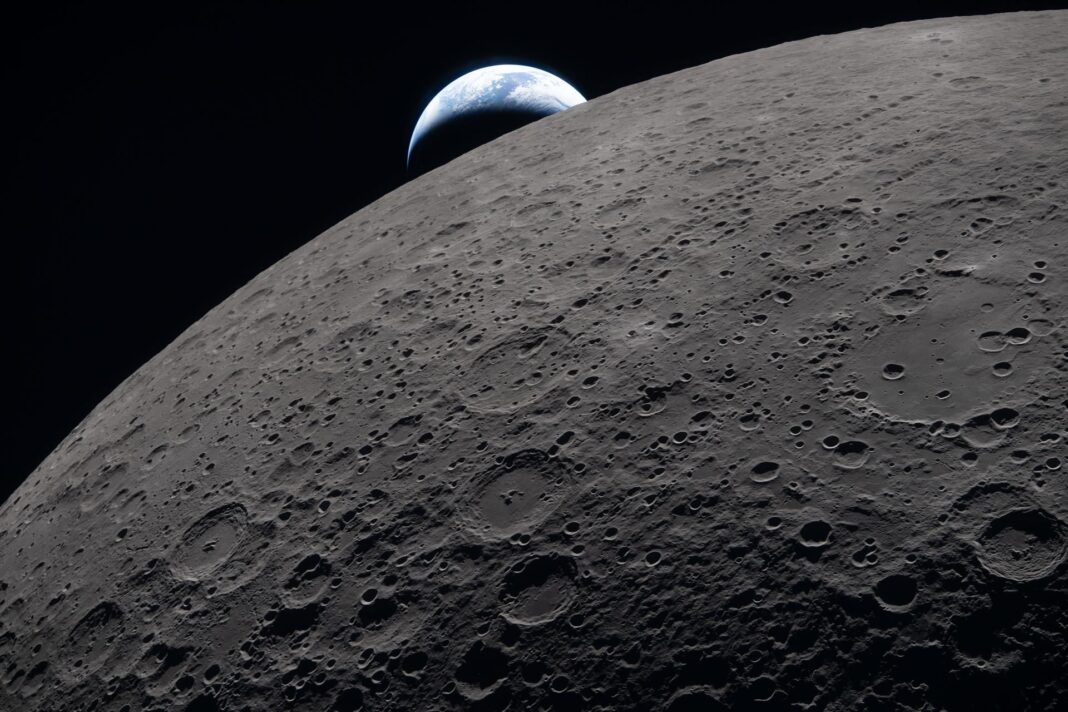
During the Artemis II mission, astronauts observed six distinct meteorite strikes on the lunar surface. These impacts generated brief flashes of light visible from orbit.
Such events are not uncommon on the moon, which lacks a protective atmosphere. Space debris constantly bombards its surface, creating new craters.
However, witnessing multiple significant impacts during a single mission is notable. The collisions detected were substantial enough to produce observable light.
This data provides valuable real-time observations for planetary scientists. It helps calibrate models estimating the frequency of larger lunar impacts.
Monitoring these strikes also informs future lunar exploration plans. Understanding impact rates is crucial for the safety of astronauts and infrastructure.
The observations from Artemis II contribute to a broader effort to map lunar hazards. Each recorded event adds detail to the dynamic environment of the moon.
These findings underscore that the moon is an active, changing world. Continuous meteoroid bombardment shapes its surface in real time.