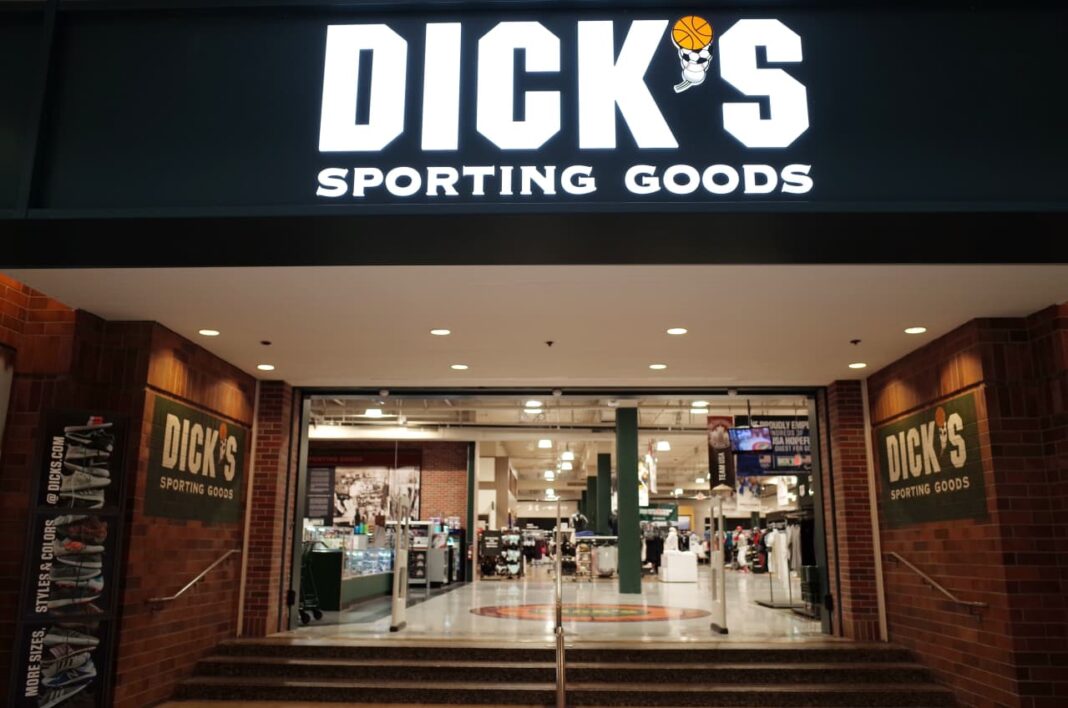
Dick’s Sporting Goods experienced its worst trading day on record after the retailer reported weaker-than-expected quarterly profits and sales. The company also cut its full-year guidance, sending shockwaves through the broader athletic footwear market.
Investors punished the stock sharply as shoppers showed less willingness to buy retro sneakers without steeper discounts. The slowdown in demand is now affecting other major footwear brands, which are facing similar pressure at retail partners.
The company’s earnings miss was driven by a pullback in consumer spending on high-margin footwear categories. Management noted that customers are increasingly waiting for promotional events before making purchases, eroding average selling prices.
This shift in buying behavior has created excess inventory across the supply chain. Retailers are now relying on deeper markdowns to move products, a strategy that cuts into profitability for both stores and their brand partners.
The weak performance at Dick’s is seen as a bellwether for the wider sporting goods industry. Rival chains and footwear specialists may face comparable challenges in the coming quarters as the trend toward classic silhouettes loses momentum.
Analysts point to changing fashion preferences as a key factor behind the slowdown. Newer styles are gaining traction, but they have not yet generated the same volume of sales as the retro lines that dominated recent years.
The company’s revised outlook reflects a more cautious approach to the remainder of the fiscal year. Management cited persistent economic uncertainty and a more value-conscious consumer base as reasons for the lower expectations.
Footwear giants that rely heavily on wholesale partnerships are now reassessing their production plans. Some are shifting resources toward newer designs in an effort to reignite consumer interest and reduce reliance on discount-driven sales.
The market reaction underscores the fragility of current demand in the sector. Investors are watching closely to see whether the weakness is a temporary dip or part of a longer-term change in consumer habits.
For now, retailers and brands alike are bracing for a more competitive holiday season, where pricing and inventory management will be critical. The coming months will reveal whether the appetite for retro sneakers returns or fades further.