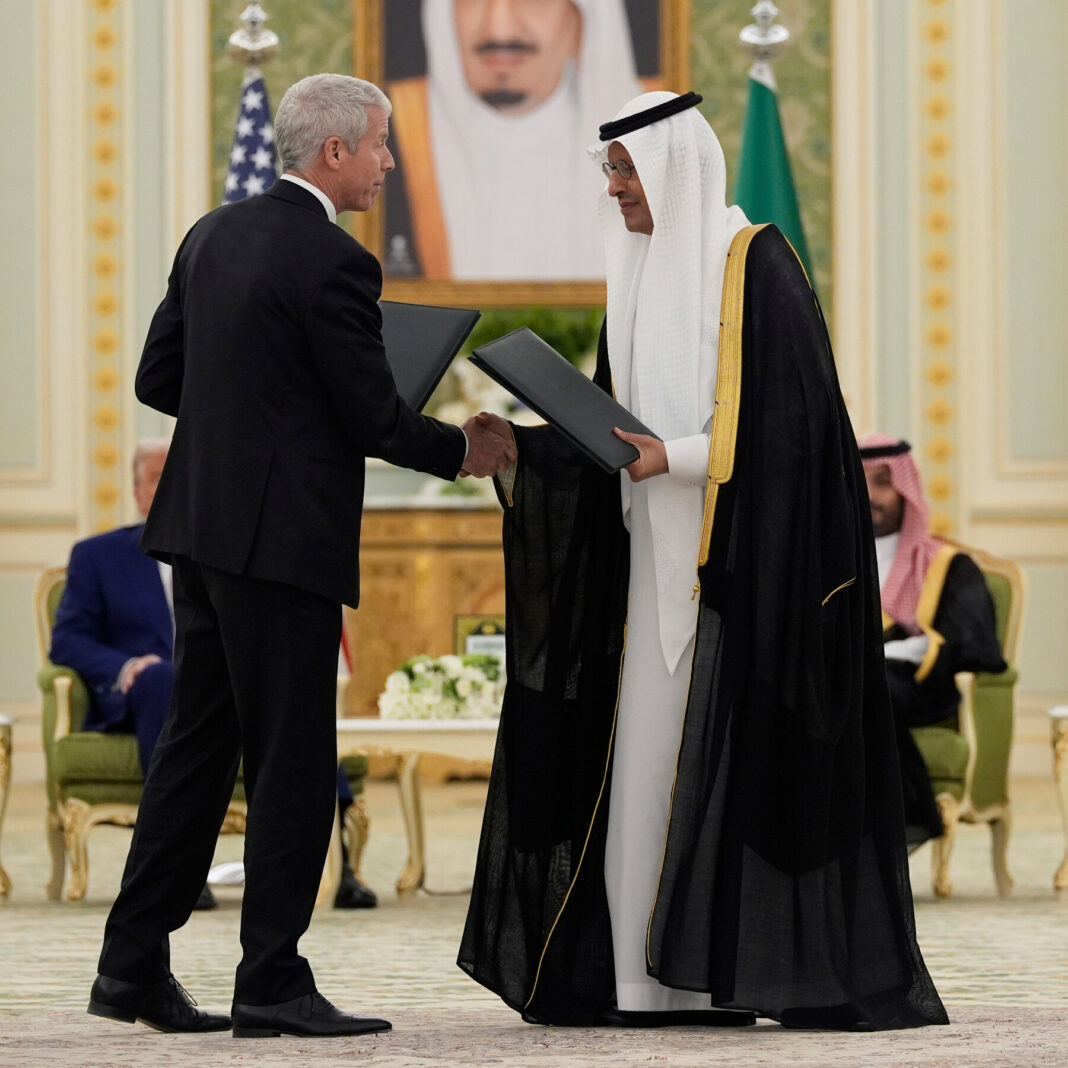
The Trump administration has formally submitted a civilian nuclear cooperation agreement with Saudi Arabia to Congress for review. The deal, long anticipated, now enters a 90-day window for lawmakers to assess its terms and potential implications.
The agreement has drawn sharp criticism from Democratic lawmakers who warn that allowing Riyadh to enrich uranium could trigger a nuclear arms race in the Middle East. Enrichment capabilities would put Saudi Arabia closer to producing weapons-grade material, a step that has historically raised proliferation alarms.
Supporters of the pact argue that a formal agreement would place U.S. oversight on Saudi nuclear activities. Without such a framework, they contend, the kingdom could turn to other nations, including China or Russia, for nuclear technology and expertise.
The proposed deal includes strict safeguards and would require Saudi Arabia to meet International Atomic Energy Agency standards. However, the question of whether Riyadh will retain the right to enrich uranium domestically has become the central sticking point in the review process.
U.S. officials have noted that the agreement aligns with broader regional security goals. They also point to Saudi Arabia’s long-term plans for civilian energy as a driver for the partnership, separate from its oil-based economy.
Lawmakers on both sides of the aisle have requested full access to the text of the agreement and related annexes before making a final judgment. Several committee hearings are expected in the coming weeks to examine the potential consequences of the deal.
The review period places the agreement under intense scrutiny, with the possibility of a congressional vote to disapprove if concerns are not resolved. The final outcome will hinge on whether negotiators can address proliferation risks while preserving the strategic partnership.
Saudi officials have repeatedly stated that their nuclear ambitions are peaceful and focused on energy diversification. Yet, without a firm commitment to forgo enrichment, the deal faces an uncertain path through Congress.
The administration has signaled it remains open to adjustments but has stopped short of conceding on the enrichment issue. With the clock now running, the coming months will be critical in shaping the future of U.S.-Saudi nuclear policy.