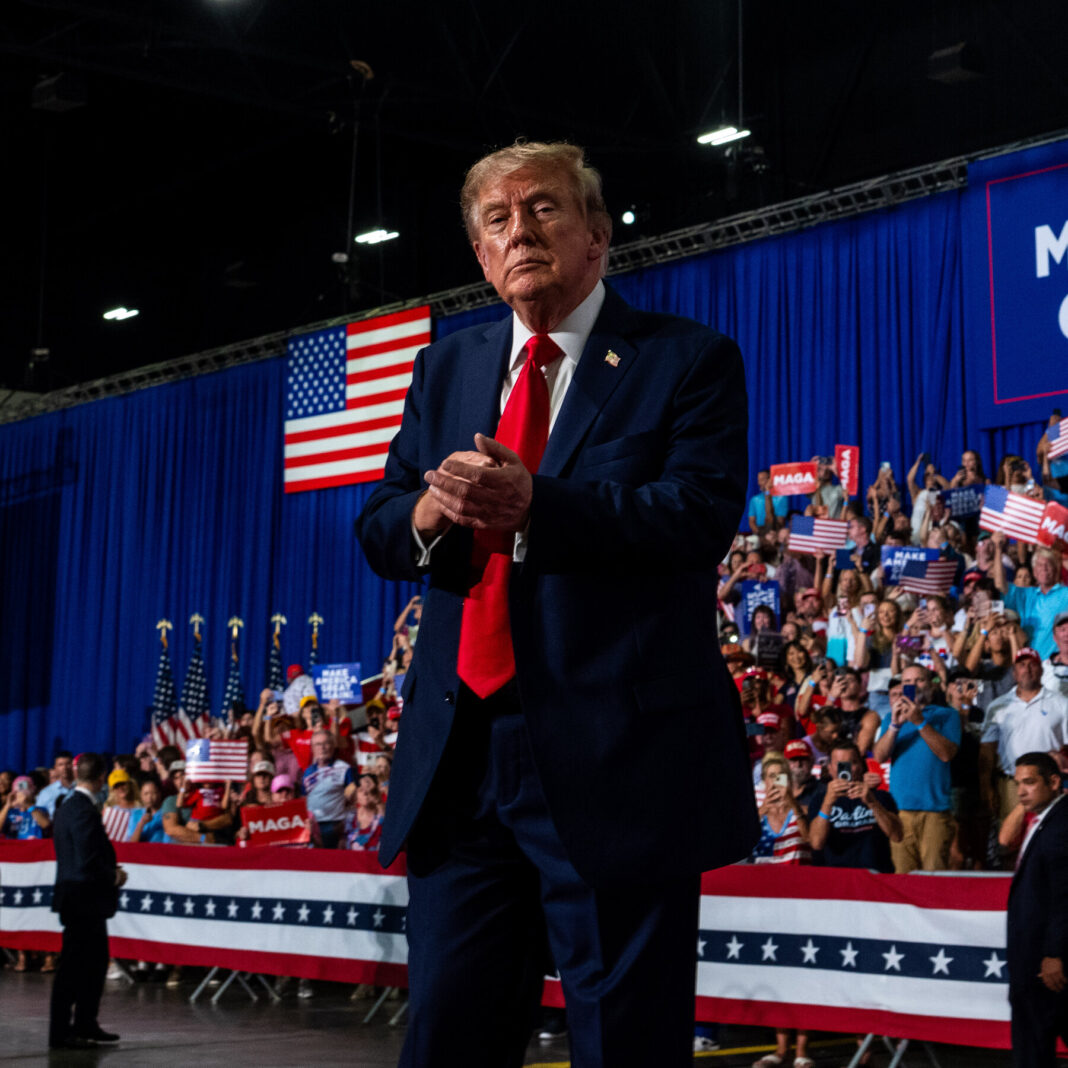
Even as President Trump’s approval ratings slide and several of his preferred candidates have stumbled in recent primaries, his endorsement proved decisive in South Carolina. Darline Graham clinched the Republican nomination for the U.S. Senate on Tuesday, a victory that underscores the president’s continued command over the party’s base. The win provides a much-needed demonstration of political strength for a White House facing headwinds.
Graham, a first-time candidate and political newcomer, defeated a well-funded opponent who had sought to position herself as the more electable choice for the general election. Trump’s early and vocal backing gave Graham a significant structural advantage, particularly among rural voters and conservative activists. Her campaign leaned heavily on loyalty to the president’s agenda, bypassing traditional party establishment support.
The race became a proxy test for Trump’s influence after recent losses in other states raised questions about his endorsement power. In interviews, several voters in Columbia said they cast ballots for Graham primarily to send a message of support to the president. Others cited her outsider status as a refreshing change from career politicians.
Political analysts note that the victory does not erase the broader challenges facing Trump. His national approval numbers remain underwater, and suburban swing districts have shown signs of shifting away from his brand. However, the South Carolina result suggests that within Republican primary electorates, his backing still carries significant weight.
Graham will now face a Democratic opponent in the November general election, a contest widely expected to be competitive. Democrats have targeted the seat as a pickup opportunity, citing demographic changes and recent polling that shows a tight race. Graham’s campaign intends to focus on economic issues and border security, mirroring the president’s messaging.
The outcome also highlights a growing split within the state’s Republican Party. The establishment wing had hoped to nominate a candidate with broader appeal, while the grassroots base favored a more confrontational approach. Graham’s victory signals that the base’s priorities continue to dominate the primary process.
For the president, the win offers a temporary reprieve from a difficult news cycle. He celebrated the result on social media, calling it a “great night” for the movement. Yet strategists caution that one primary victory does not change the fundamental dynamics of the national political landscape. Attention will now shift to other battleground races where Trump’s endorsements face stiffer tests.
Graham’s rise from obscurity to nominee reflects a broader trend of outsider candidates winning with Trump’s support. Her limited political experience, which was once viewed as a liability, became an asset in the primary. She never held elected office before, yet she tapped into voter frustration with government institutions.
The general election will require a different strategy. Graham must expand her appeal beyond the conservative base to win over independents and moderate Republicans. Her opponent’s campaign is expected to highlight her inexperience and her close alignment with Trump in a state that still has a significant number of undecided voters.
Local political observers say the race will test not just Graham’s viability but also the durability of Trump’s coalition. A loss in November would renew doubts about his influence, while a win would solidify his role as a kingmaker. Either way, the South Carolina contest has become a focal point for national attention.