Diesel prices have surged to record levels, driven by geopolitical conflict and supply chain disruptions. The fuel, essential for farm machinery, trucks, and heavy equipment, now carries a significant cost burden for consumers and businesses alike.
The price spike stems from two major factors. The ongoing war in Iran has disrupted regional oil flows, while Ukrainian attacks on Russian refineries have tightened global fuel supplies. These combined pressures have created a supply shortfall that markets are struggling to absorb.
For oil companies, the current environment has proven highly profitable. Higher diesel prices translate directly into increased revenues and profit margins. Industry analysts note that refining capacity constraints have amplified these gains, allowing producers to command premium prices for their output.
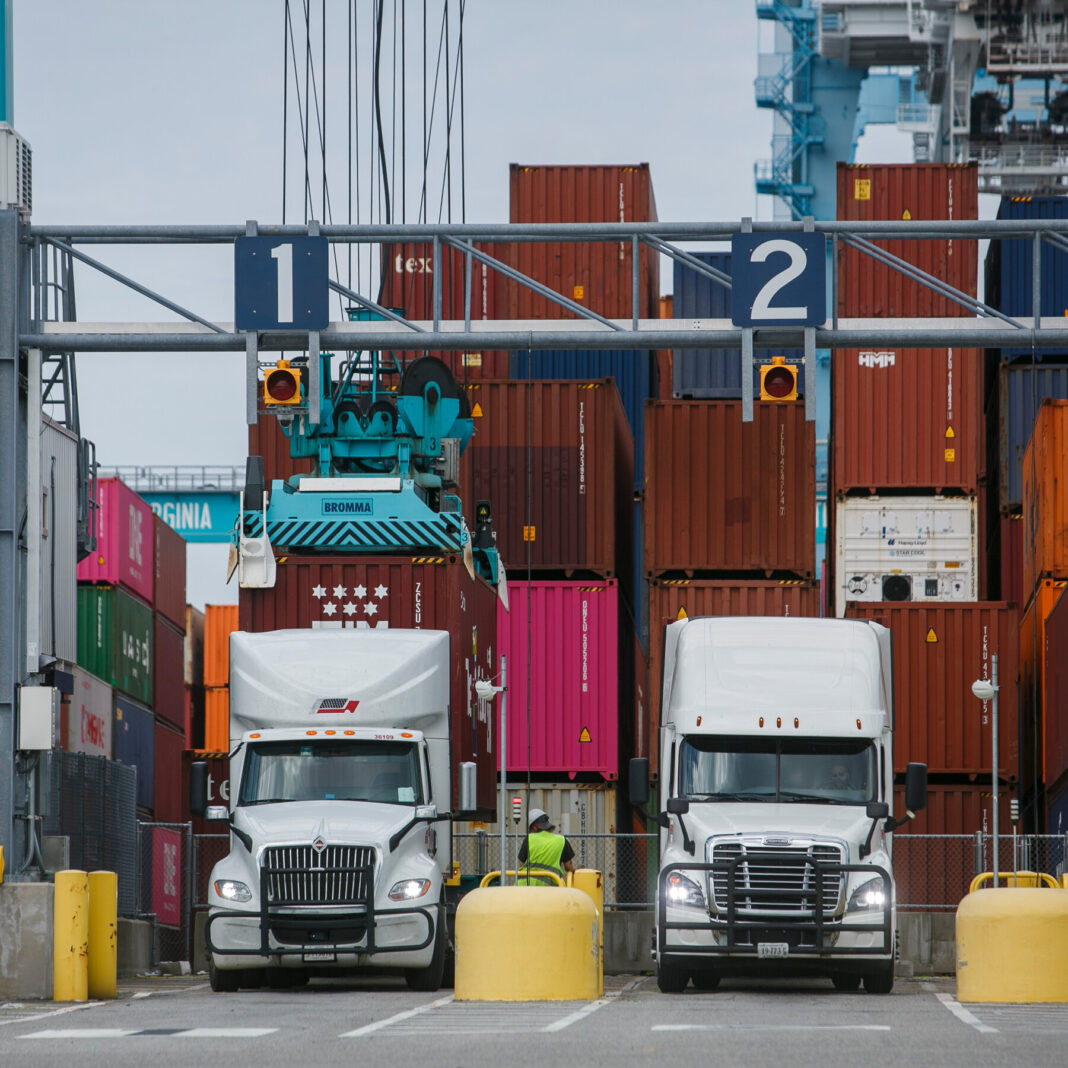
Consumers, however, face a starkly different reality. Trucking companies are passing higher fuel costs onto retailers, which then affect everyday goods. Farmers, reliant on diesel for planting and harvesting, are seeing their operating expenses climb. The ripple effects touch nearly every sector of the economy.
The disparity between corporate gains and consumer pain highlights a broader economic tension. While energy producers benefit from scarcity, the broader public contends with inflated costs for transportation, food, and manufactured goods. Economists warn that sustained high diesel prices could slow economic growth and push inflation higher.
Analysts suggest the situation may persist as long as geopolitical tensions remain unresolved. Refinery outages in Russia and conflict in the Middle East show no immediate signs of abating. Supply-side fixes, such as increased production from other nations, face logistical and political hurdles.
The coming months will test the resilience of global supply chains. Businesses may need to adapt by improving fuel efficiency or exploring alternative logistics strategies. For households, the pressure on budgets is likely to continue, with diesel costs serving as a persistent reminder of how interconnected energy markets are with daily life.