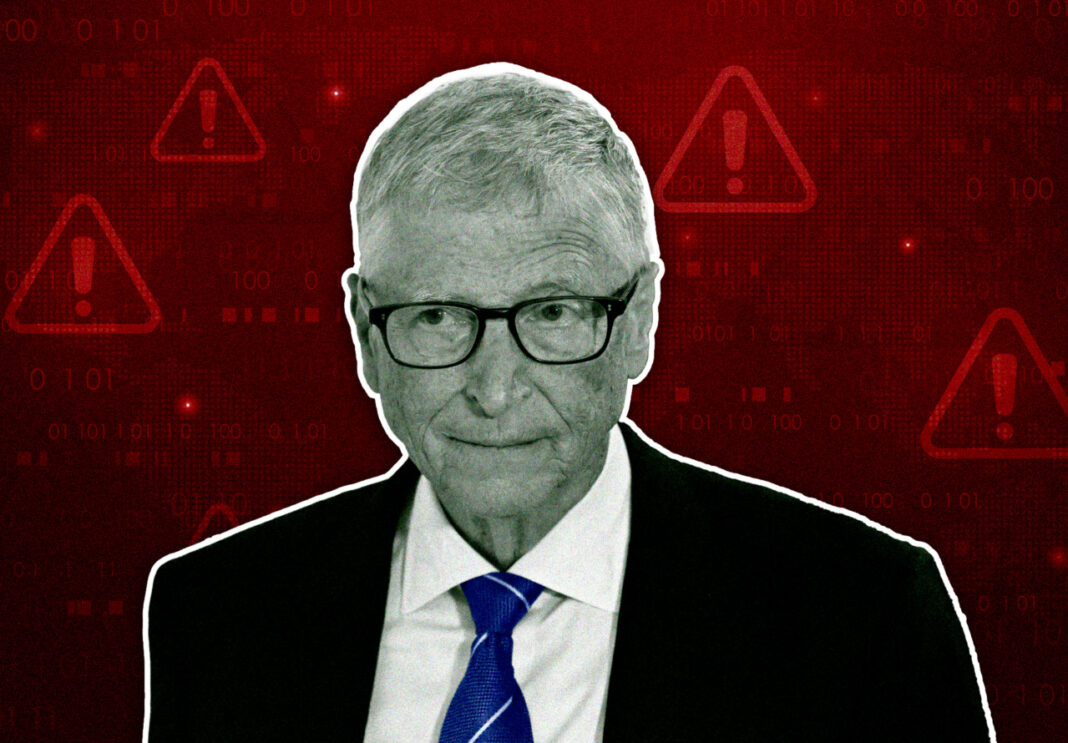
Bill Gates has issued a fresh warning about artificial intelligence, urging technology leaders and government officials to take its risks more seriously. The Microsoft co-founder specifically pointed to the threat AI poses to jobs and the quality of human connections. His comments come as public concern over the technology continues to climb.
Gates did not present new data or a specific policy proposal. Instead, he framed the issue as a matter of responsibility. He argued that those building and regulating AI systems must move beyond optimism and confront the potential downsides head-on. The warning signals a shift in tone from a figure long associated with tech-driven progress.
Polling suggests Gates is not alone in his unease. Surveys conducted over the past year show a growing share of Americans expressing concern about AI’s impact on employment. Many workers now see automation as a direct threat to their industries. The anxiety spans sectors, from manufacturing to white-collar professions.
The concern is not limited to job displacement. Gates also highlighted how AI might erode social bonds. He suggested that increased reliance on machines for communication could reduce meaningful interaction between people. This point resonates with researchers who study the social effects of technology.
Tech companies have responded to such worries with varying degrees of urgency. Some have implemented voluntary safeguards and called for regulation. Others have downplayed the risks, emphasizing AI’s potential to boost productivity. Gates’s remarks add weight to the argument that proactive measures are necessary.
Government action remains uneven. While the European Union has moved forward with comprehensive AI rules, the United States has yet to pass major legislation. Lawmakers have held hearings and issued executive orders, but a unified framework is still lacking. Gates’s warning may push the conversation further into the political mainstream.
For everyday users, the message is practical. AI tools are already embedded in daily life, from customer service chatbots to content recommendations. Understanding their limits and risks is becoming a basic form of digital literacy. Gates’s comments serve as a reminder that these technologies are not neutral by default.
The debate over AI will likely intensify in the coming years. As models become more capable, the questions around jobs and human connection will become harder to ignore. Gates has added his voice to a growing chorus calling for more thoughtful integration of AI into society. The challenge now lies with leaders to act before the risks become harder to manage.