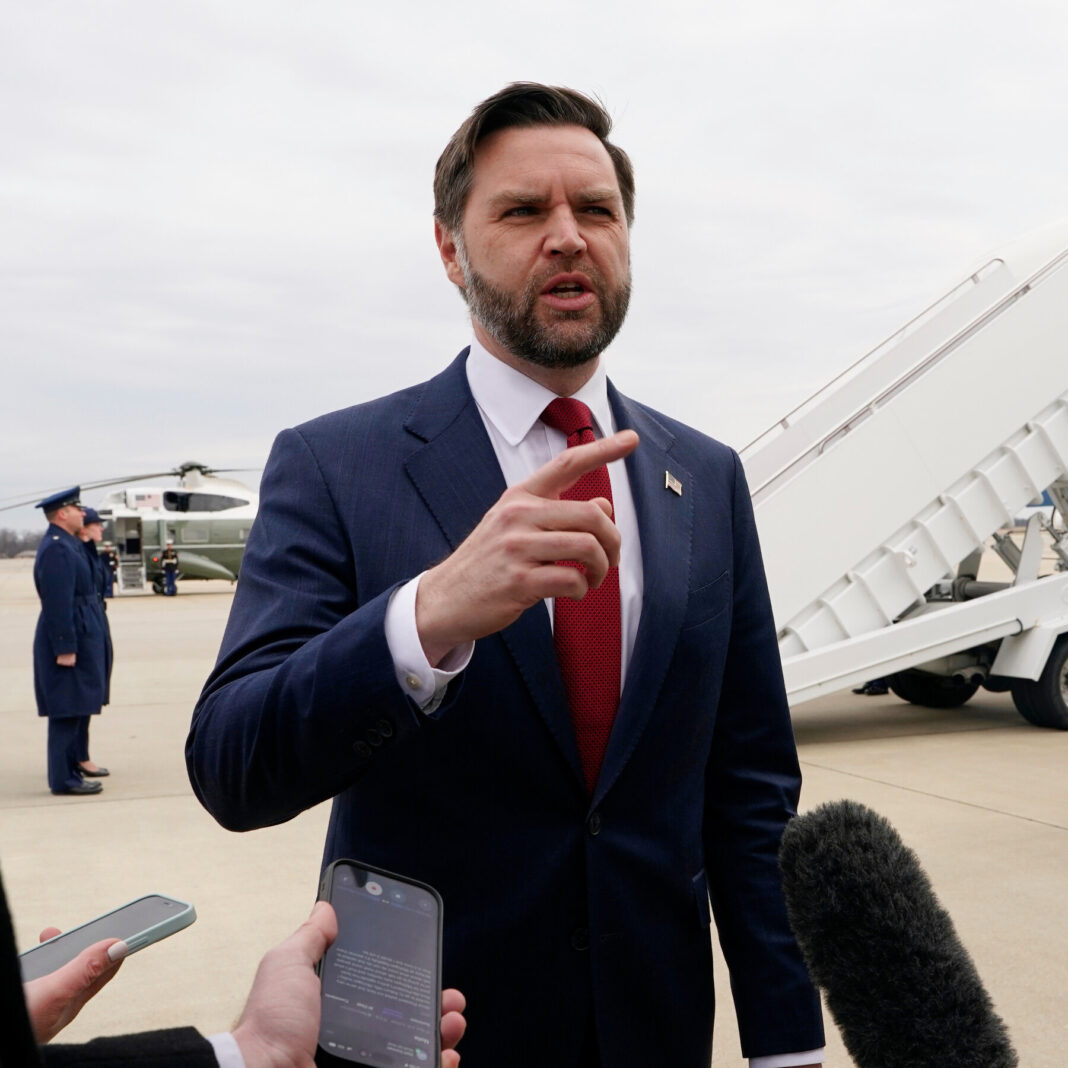
Vice President JD Vance is now tasked with ending a conflict he once opposed. He will lead critical negotiations with Iran this weekend. The talks aim to de-escalate regional tensions.
This presents a significant test of his diplomatic abilities. Vance must navigate complex international demands. His previous stance adds a layer of political complexity.
The outcome could define his tenure in foreign policy. Success would bolster his reputation as a negotiator. Failure could undermine U.S. diplomatic efforts in the region.
These discussions follow months of indirect hostilities. Both sides seek a sustainable path to stability. The terms of any agreement remain closely guarded.
Observers are watching for signs of compromise. The negotiations require balancing strategic interests with practical solutions. Vance’s approach will be scrutinized by allies and adversaries alike.
The vice president’s team has prepared extensively for the dialogue. They face a narrow window to achieve a breakthrough. The geopolitical stakes for the administration are considerable.
A resolution would have far-reaching implications for regional security. The process underscores the challenges of high-stakes diplomacy. All parties enter the talks with measured expectations.