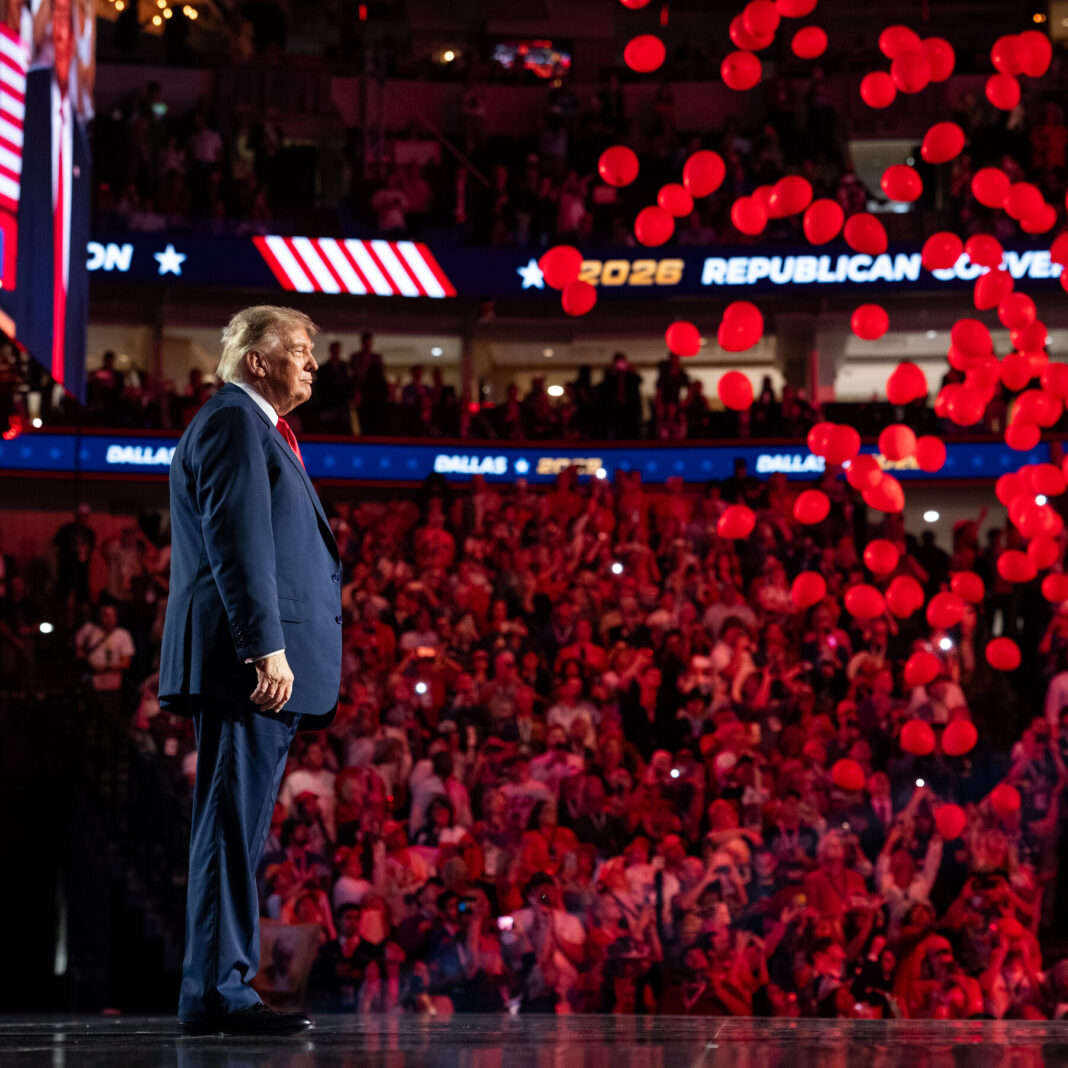
Republicans are preparing to label Democrats as communists ahead of the midterm elections. The strategy aims to frame political opponents as threats to the country. It reflects growing concern within the party about its electoral prospects.
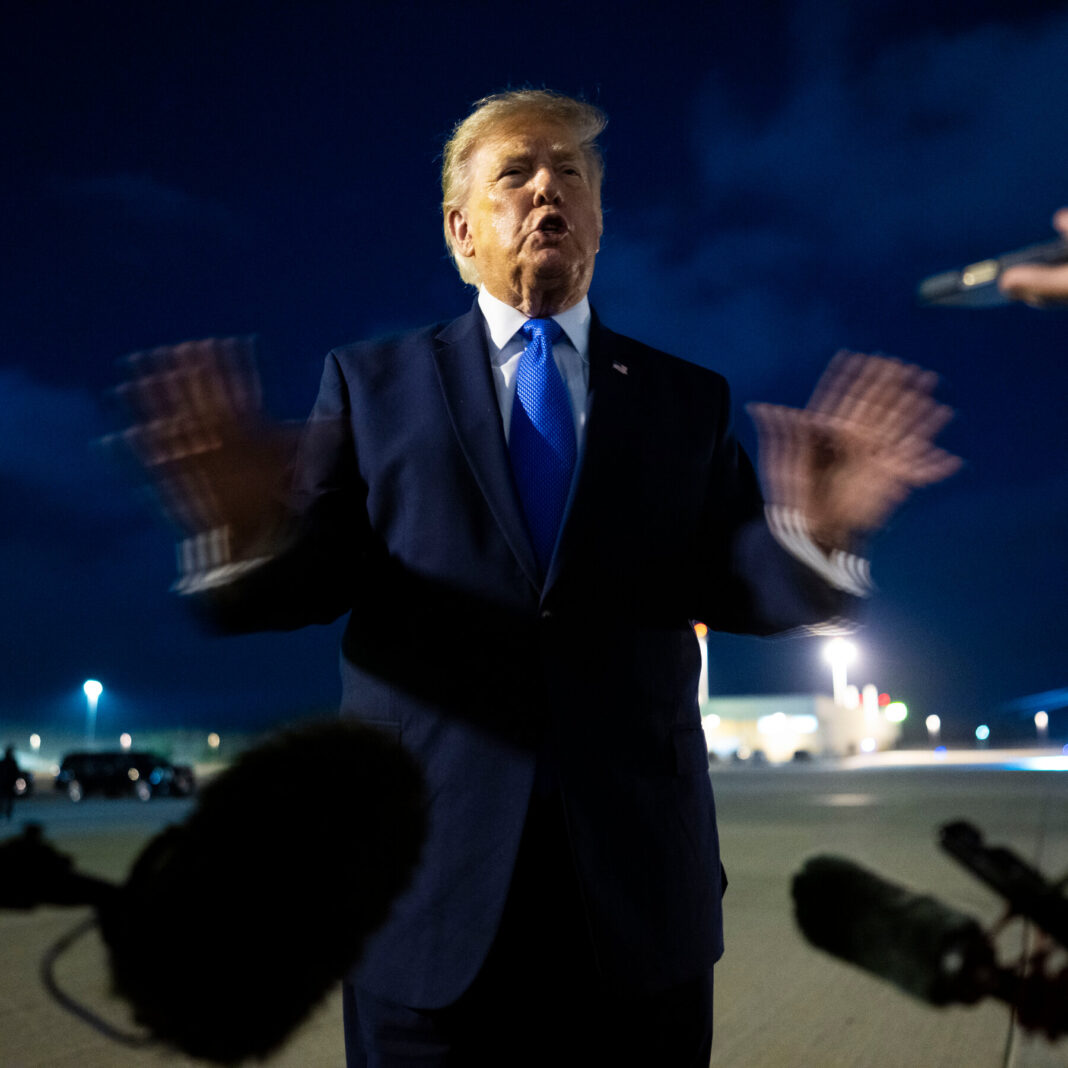
President Trump has described communism as a greater danger than the Pearl Harbor or 9/11 attacks. His comments represent an escalation of political rhetoric. The comparison places domestic rivals alongside foreign adversaries in severity.
The midterm elections will determine control of Congress. Republicans currently face unfavorable polling in several key districts. Economic uncertainty and policy disputes have complicated their messaging.
Party strategists believe communism remains a potent label in American politics. The term carries historical weight from the Cold War era. It can evoke strong negative reactions among older voters.
Democrats have dismissed the characterization as baseless and extreme. They argue the focus should remain on health care, jobs, and inflation. Several candidates have called the rhetoric a distraction from substantive issues.
Political analysts remain divided on whether the strategy will succeed. Similar attacks have produced mixed results in past elections. Voter concerns about the economy often outweigh ideological labels.
The effectiveness will depend on local conditions and candidate quality. Some Republicans in moderate districts may avoid the communist framing. Others in conservative areas are likely to embrace it fully.
The outcome will shape both parties’ approaches for the 2028 presidential race. Republicans test whether red-baiting still resonates with modern voters. Democrats gauge whether voters reject such tactics at the ballot box.