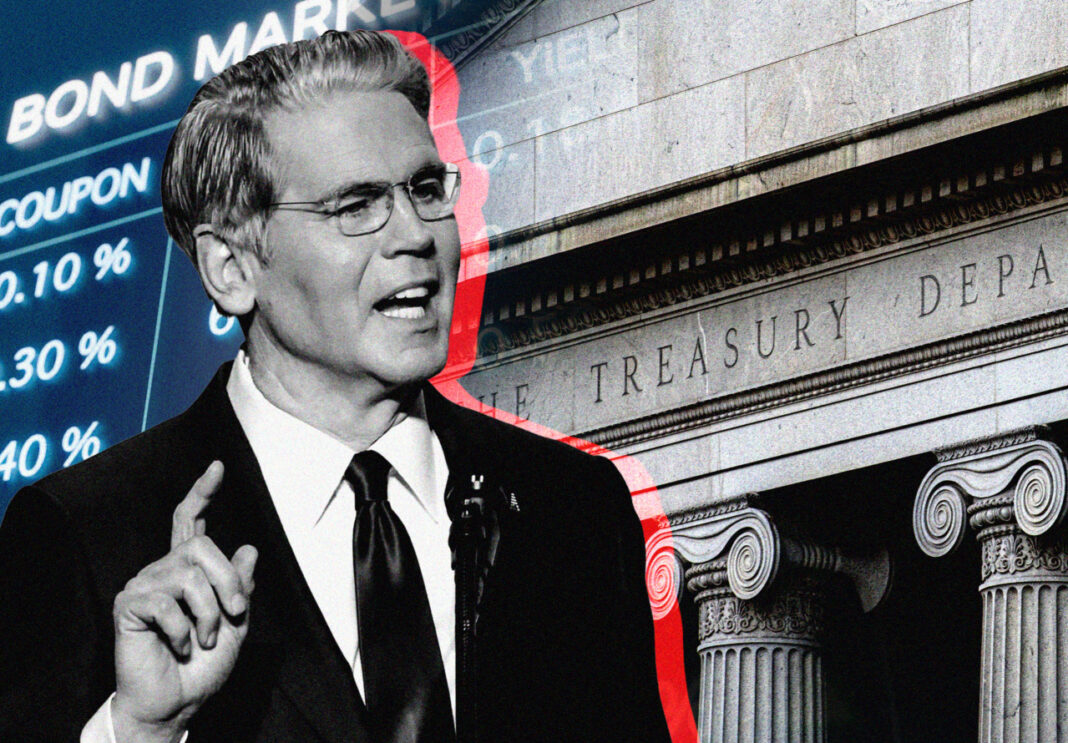
The 5% yield on U.S. Treasury bonds marks a level not seen in years. This shift directly increases the cost of servicing America’s national debt.
Higher yields mean the government must pay more interest to bondholders. Each new bond issued carries a higher rate than previous ones. This raises the total debt bill over time.
The federal debt already exceeds $33 trillion. Even a small rate increase adds billions in annual interest costs. At 5%, those costs climb faster than many budget forecasts assumed.
Long-term yields reflect investor demands for higher returns. Factors include persistent inflation, strong economic data, and reduced demand for bonds. These forces keep upward pressure on rates.
As older low-yield debt matures, it is replaced by new debt at current rates. This rollover process steadily lifts the average interest cost. The longer yields stay near 5%, the more the debt bill grows.
Higher interest payments compete with other federal spending. Programs like defense, healthcare, and infrastructure face tighter budget room. Tax policy debates now carry heavier fiscal stakes.
Markets watch these yields as a signal of fiscal risk. Rising yields can also slow economic growth by raising borrowing costs. That creates a feedback loop for government finances.
No immediate crisis is guaranteed, but the trend is clear. Sustained 5% yields make deficit reduction harder. America’s debt math grows more difficult with each passing month.