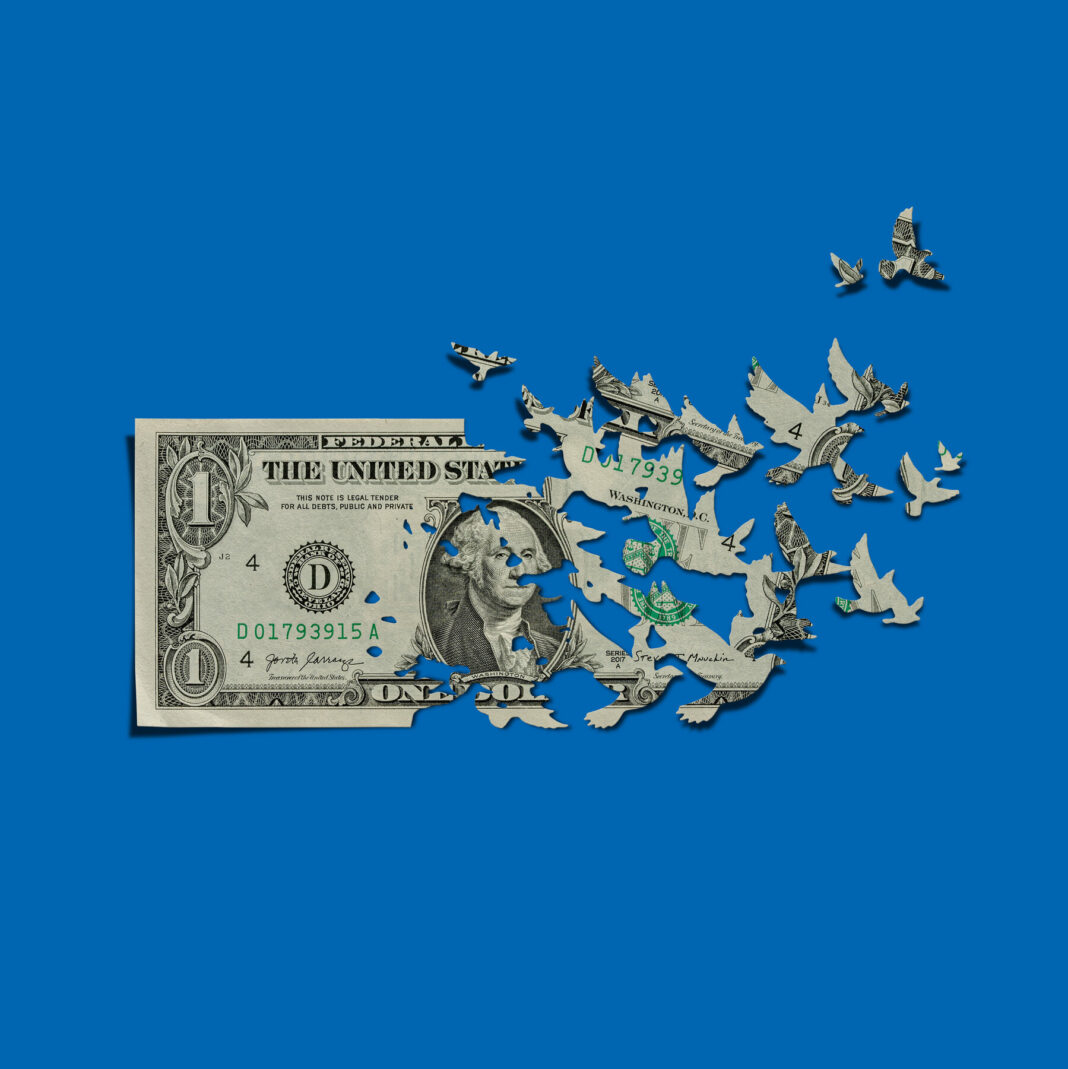
Global confidence in U.S. economic leadership is weakening. The Trump administration’s rising debt and aggressive sanctions have unsettled international markets. Investors now question America’s long-standing role as a safe harbor.
Federal borrowing has climbed sharply in recent years. Deficit spending continues despite a strong domestic economy. This combination worries foreign creditors who hold large amounts of U.S. debt.
Sanctions have become a central tool of U.S. foreign policy. Washington has imposed penalties on multiple countries and entities. Allies and rivals alike view these measures with growing caution.
Other nations are exploring alternatives to the dollar system. Some central banks are diversifying reserves into gold and other currencies. Trade agreements increasingly bypass U.S. financial networks.
Emerging markets face pressure from higher U.S. interest rates. Capital flows back to America, straining weaker economies. Many governments criticize what they call inconsistent American policy.
Global institutions warn that fragmentation could harm trade. A multipolar financial system may emerge in the coming decade. The transition could bring volatility and higher borrowing costs.
The U.S. remains the world’s largest economy and military power. But its economic credibility is no longer taken for granted. Partners and adversaries are adjusting their strategies accordingly.