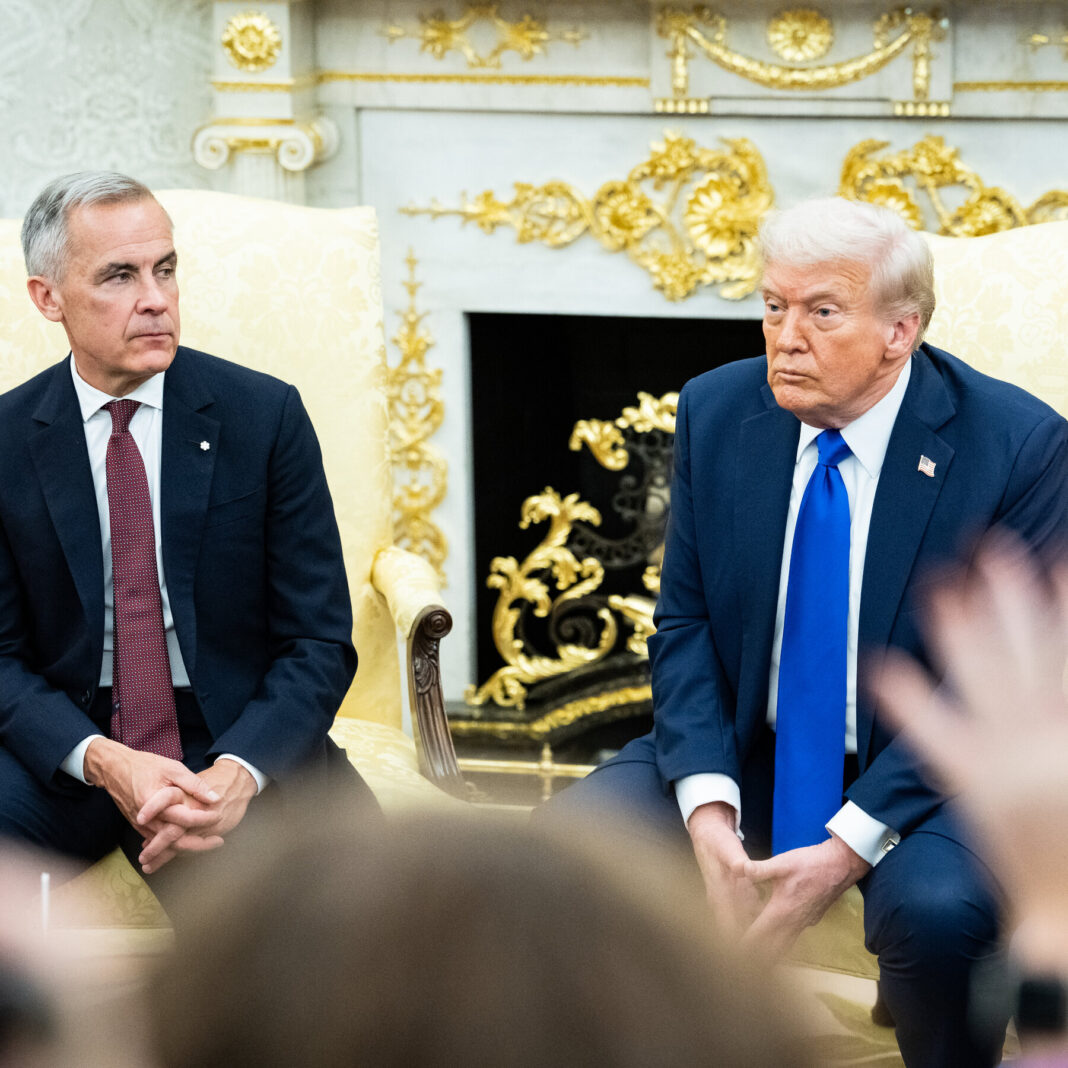
President Trump’s repeated suggestion that Canada become the 51st state has produced an unexpected result. The European Union has now invited Canada to become an “associate member.” The move signals a shift in Canada’s global alliances.
Trump often pressured America’s closest allies during his time in office. His approach mixed public threats with economic demands. Canada became a frequent target of that strategy.
The EU invitation is not a formal offer of full membership. It is a new category meant to deepen political and economic ties. Canada has not yet responded publicly to the proposal.
Trade tensions between Washington and Ottawa created friction over tariffs and border policies. Those disputes pushed Canadian officials to seek stronger partnerships elsewhere. The EU saw an opening to expand its influence.
Associate membership could give Canada access to some EU programs and consultations. It stops short of requiring Canada to adopt EU law or the euro. The exact terms remain under discussion.
Analysts say the invitation reflects a broader realignment of middle powers. Countries once firmly anchored to Washington now explore alternative alliances. Trump’s rhetoric accelerated that trend.
The long-term impact on North American relations remains uncertain. Canada must weigh its deep economic ties with the United States against new opportunities. The EU’s gesture adds a new variable to that calculation.