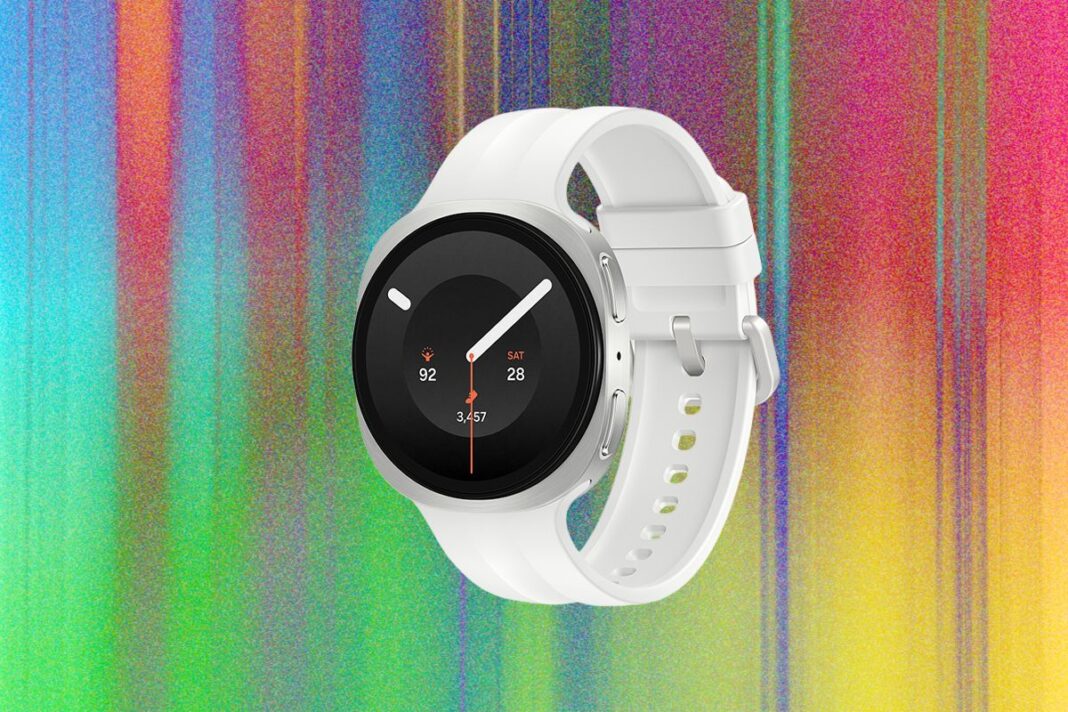
Samsung has released the Galaxy Watch9, its newest smartwatch featuring expanded health tracking tools. The device continues the company’s push into wearable wellness metrics. Buyers now face a growing list of scores they may never check.
The watch includes standard features like heart rate monitoring and sleep analysis. It also introduces additional health scores that measure recovery and stress. These metrics appear alongside existing tools. The result is a crowded dashboard that can overwhelm new users.
Battery life remains a key selling point for the Galaxy Watch9. It lasts through a full day with normal use. Heavy tracking drains power faster. A quick top-up charge solves most issues.
Design changes are minimal compared to the previous model. The screen is bright and responsive. The rotating bezel returns on select variants. Fitness tracking feels accurate during workouts and daily wear.
Sleep tracking offers detailed stages and a nightly score. The score often fluctuates without clear explanation. Users may find it inconsistent. This creates confusion rather than useful guidance.
The watch runs on Wear OS with Samsung’s custom interface. App support is solid but not exhaustive. Notifications work reliably. Performance stays smooth during multitasking.
Samsung’s health app bundles all metrics in one place. The layout is clean but dense. Beginners may struggle to interpret the data. Experts will appreciate the depth on offer.
The Galaxy Watch9 costs the same as its predecessor at launch. It competes with Apple and Google in the premium segment. The extra health scores feel optional. Most buyers can ignore them without losing core functionality.
The watch succeeds as a general-purpose smartwatch. Health tracking adds value when kept simple. Samsung’s latest proves that more data is not always better. A focused experience would serve users well.