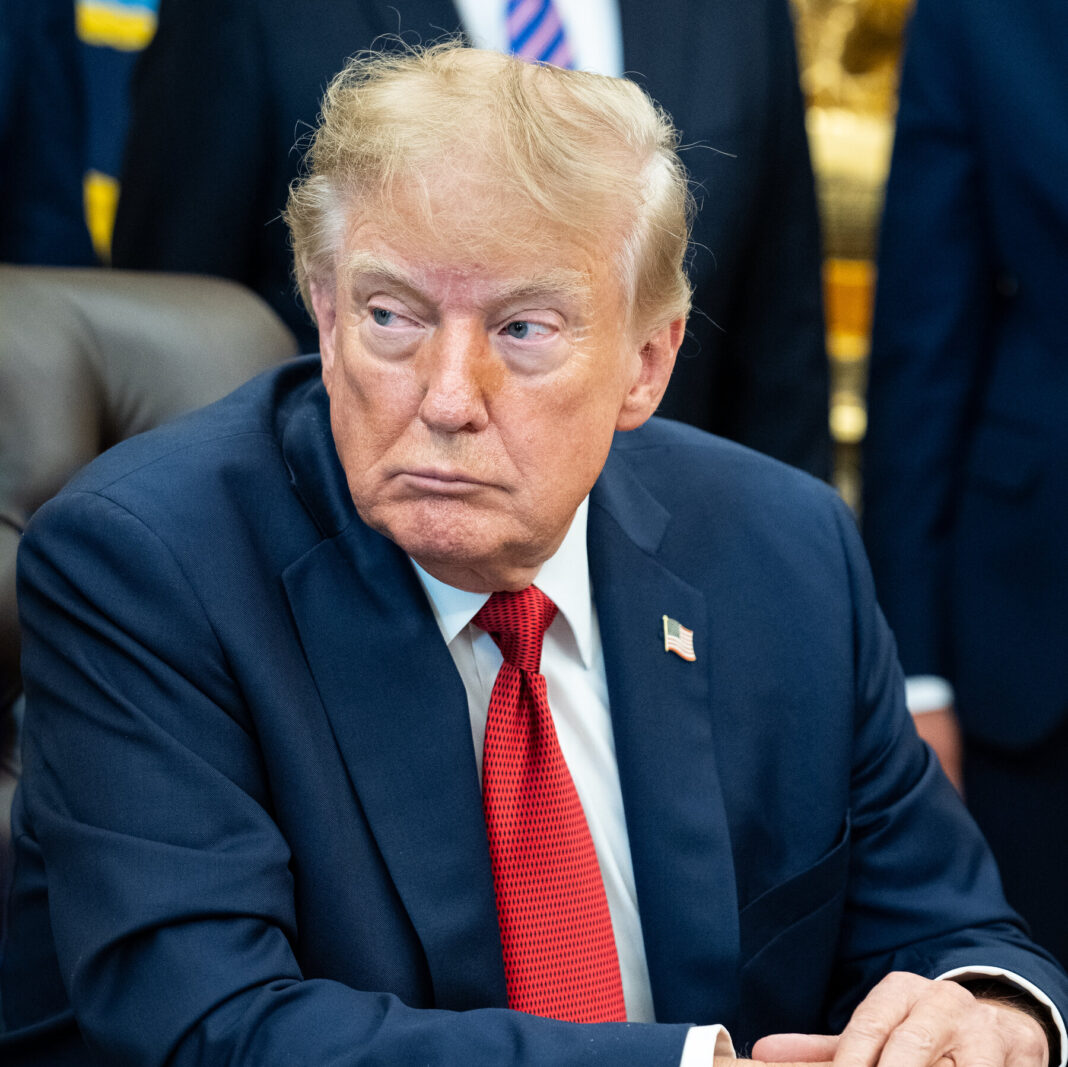
President Trump proposed creating an “A.I. Force” as a follow-up to the Space Force he established during his first term. The proposal calls for a dedicated military branch focused on artificial intelligence. Details remain limited, and no formal legislation has been introduced.
The announcement came amid ongoing debate over how to regulate rapidly advancing A.I. technologies. Trump has consistently downplayed concerns about the speed of A.I. development. He has also dismissed warnings about potential harms from the technology.
Critics argue the proposal sidesteps the need for clear safety rules. They say a new military branch does not address broader risks like misinformation or autonomous weapons. Supporters contend a dedicated force could streamline defense applications.
The idea echoes the Space Force model, which faced skepticism before becoming operational. That branch was created to consolidate military space operations under one command. The A.I. Force would likely serve a similar organizational purpose.
Military officials have not confirmed whether the plan has Pentagon backing. Several agencies already run their own A.I. projects. Coordination between those efforts remains a persistent challenge.
Lawmakers from both parties have called for stronger oversight of A.I. in national security. Some worry that a new branch could duplicate existing work. Others see it as a necessary step to keep pace with global competitors.
Trump has not released a timeline or budget for the proposal. He continues to frame A.I. mostly as a tool for economic and military advantage. Questions about safety and ethics remain largely unaddressed.