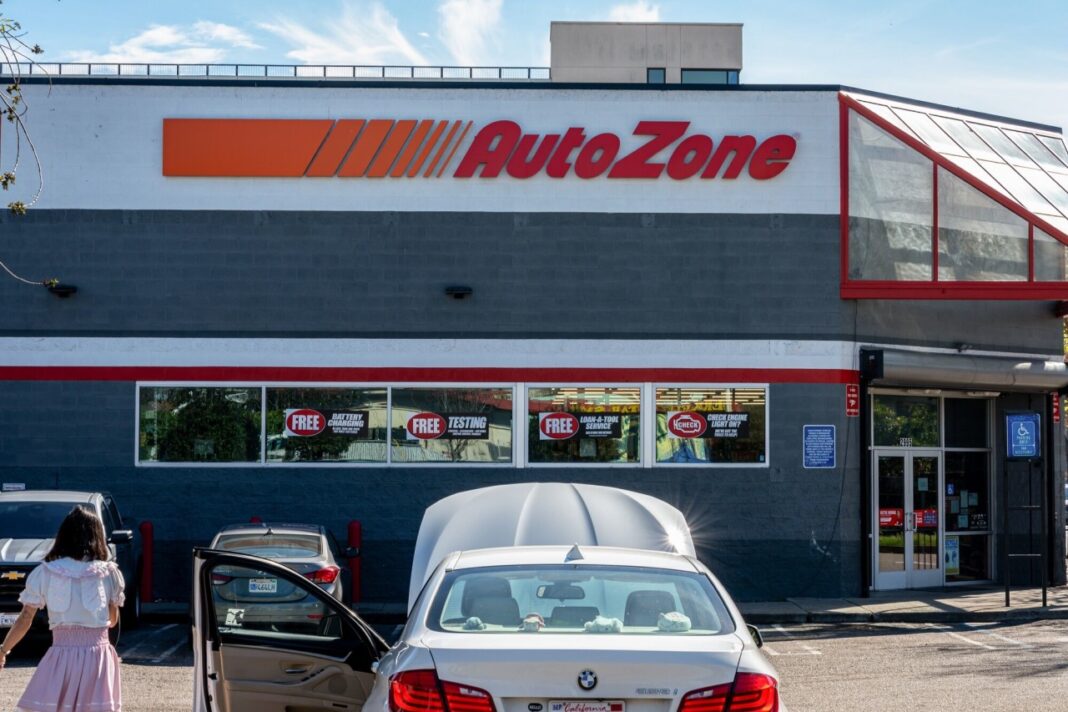
Auto parts retailers have struggled with weak demand and rising costs. Investors have punished their shares throughout the past year. Yet signs now suggest the worst may be over for the sector.
Advance Auto Parts and AutoZone both reported mixed quarterly results recently. Same-store sales declined at Advance but improved at AutoZone. The divergence shows that not all retailers face the same pressures.
Consumers are holding onto their vehicles longer than usual. The average age of cars on U.S. roads has climbed above 12 years. That trend typically benefits parts sellers as older vehicles need more repairs.
New car sales slowed sharply during the pandemic. Fewer new vehicles on the road means a smaller pool of warranty-covered repairs. Retailers dependent on those sales have felt the pinch.
Supply chain disruptions also hurt margins over the past two years. Freight and labor costs rose faster than retailers could raise prices. Those pressures are now easing across the industry.
Professional repair shops remain a steady source of revenue. Do-it-yourself customers are more sensitive to economic swings. A mix of both segments helps stabilize earnings during downturns.
Wall Street analysts expect earnings to recover in the coming quarters. Cost cuts and inventory improvements should support better results. The sector may finally be turning the corner.