The United Nations is struggling to stay relevant in global artificial intelligence discussions. The U.S. and China dominate the field, leaving other nations with limited influence. Foreign policy experts say the AI race has become a two-power contest.
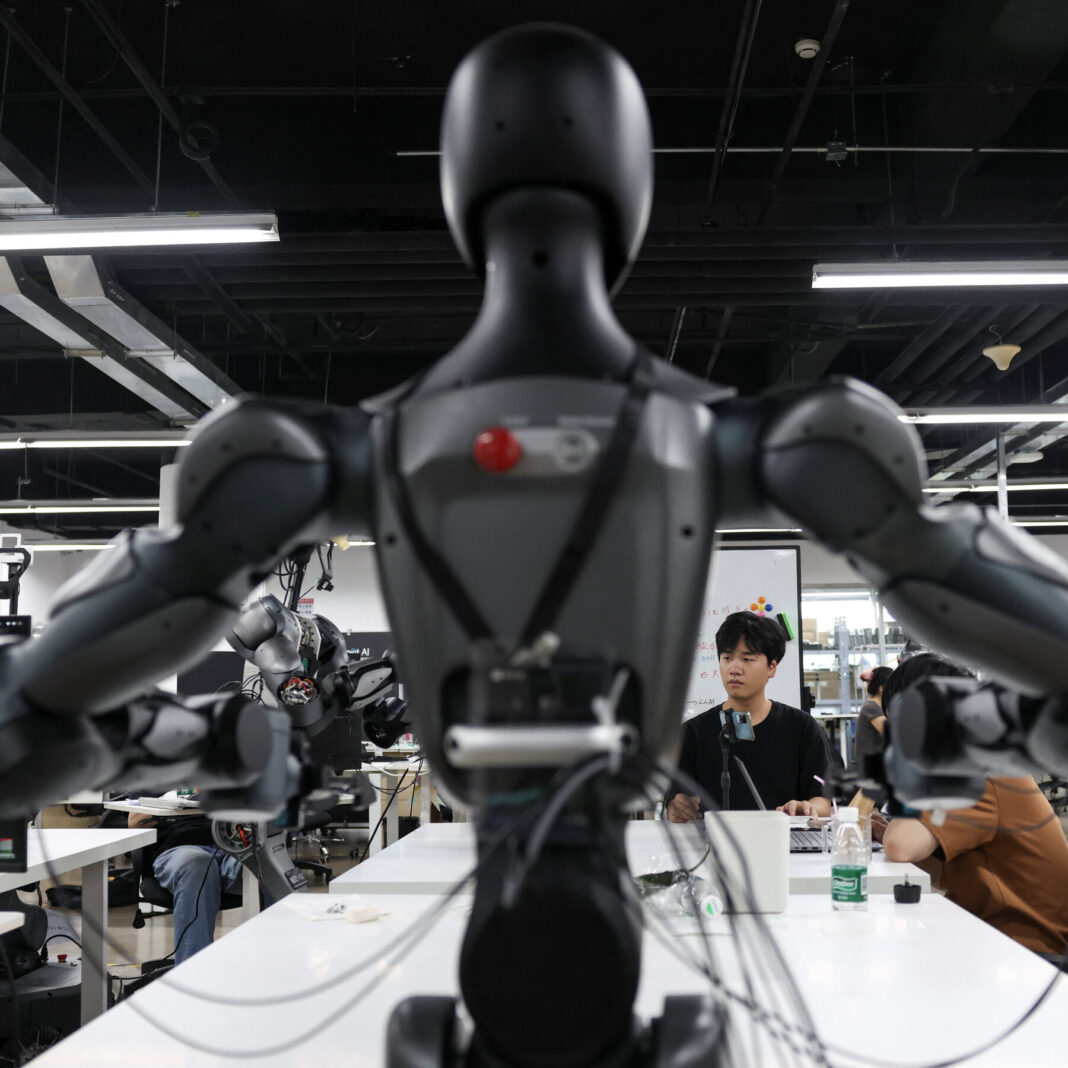
Washington and Beijing are investing heavily in AI research and development. Their companies lead in advanced models, chips, and talent. Smaller countries struggle to compete on the same scale.
The U.N. has launched various initiatives to address AI governance. These efforts aim to set international standards and prevent harmful uses. However, progress remains slow compared to national programs.
Critics argue the U.N. lacks enforcement power and technical expertise. Major AI powers prefer bilateral deals over multilateral agreements. This weakens the U.N.’s role in shaping global AI rules.
Some experts warn that sidelining the U.N. could increase risks. Without shared norms, AI could fuel military tensions and widen inequality. A fragmented approach may hinder safety and ethical safeguards.
Developing nations fear being left behind in the AI revolution. They lack infrastructure, funding, and skilled workers. The U.N. could help bridge this gap, but its influence is fading.
The U.S. and China show little interest in ceding control to a global body. Both view AI as key to economic and military superiority. Their rivalry makes cooperation on international rules difficult.
The U.N. faces a choice: adapt to this new reality or become a bystander. Its future relevance depends on delivering concrete results. For now, the AI race remains a two-nation sprint.