The White House has intensified its crackdown on dissent following the killing of conservative activist Charlie Kirk. Officials have labeled political critics as terrorists in recent weeks. The administration has also attributed recent violence to a left-wing conspiracy.
Federal agencies have opened investigations into labor unions, nonprofit organizations, and advocacy groups. These inquiries target groups perceived as opposing the president’s agenda. The scope of the investigations remains unclear.
The crackdown extends to online speech and public protests. Critics say the administration is weaponizing federal power against dissenting voices. Supporters argue the measures are necessary to restore order.
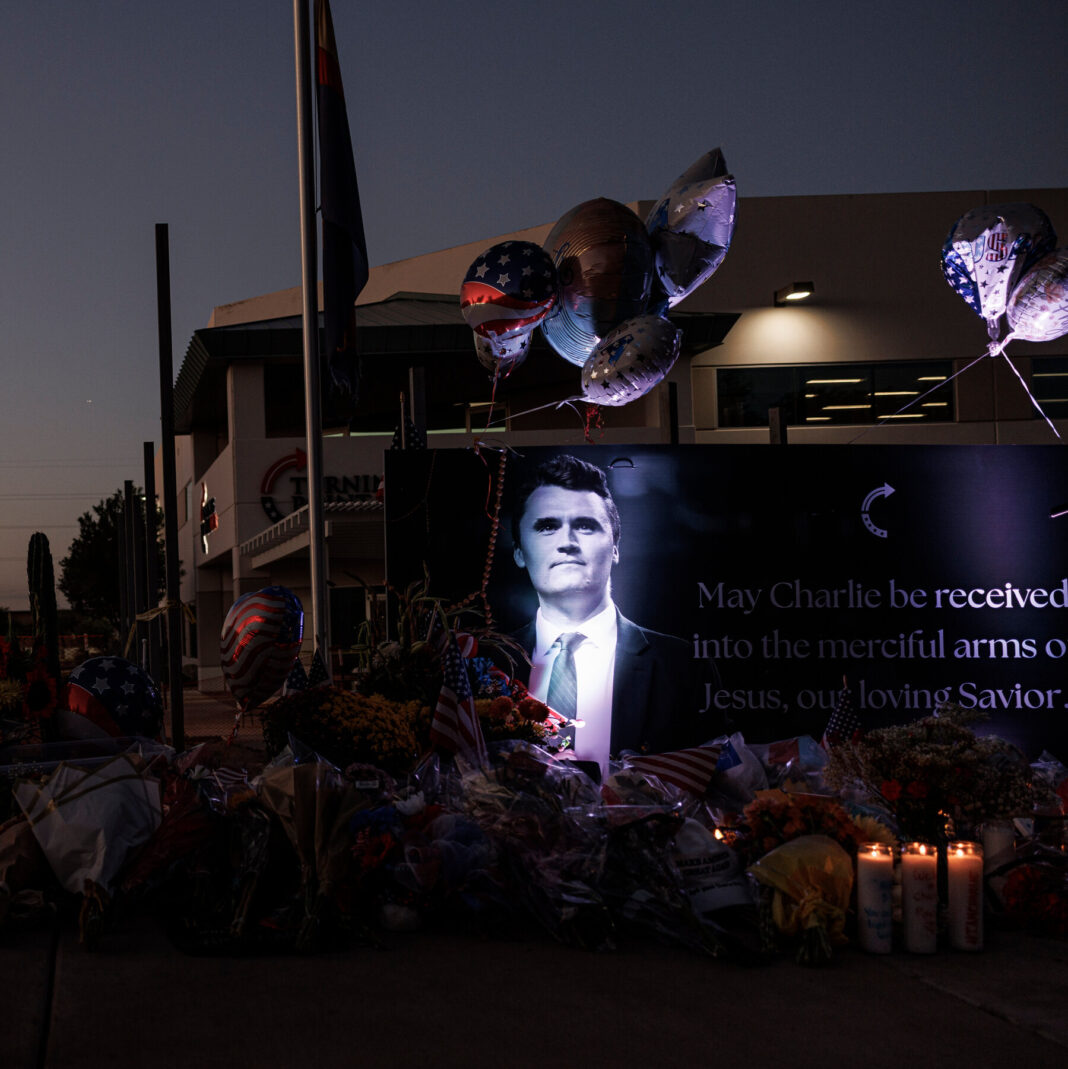
The killing of Charlie Kirk in September sparked a wave of retaliatory rhetoric from senior officials. Within days, the White House began using terms like “domestic terrorist” to describe political opponents. No evidence has emerged linking those opponents to Kirk’s death.
Several nonprofit leaders report receiving subpoenas and audit requests from federal agencies. Unions representing teachers, health care workers, and federal employees are among those targeted. Legal experts say such actions chillingly echo authoritarian tactics.
The administration has defended its actions as lawful and focused on public safety. Press secretary statements cite isolated incidents of political violence as justification. Independent analysts dispute the scale of the threat.
Civil liberties organizations have filed lawsuits challenging the investigations. They argue the crackdown violates First Amendment protections. Court hearings are expected to begin later this year.
The long-term impact on political speech remains uncertain. Some observers warn of a deepening chill across civil society. Others see the moves as a temporary response to a specific tragedy.