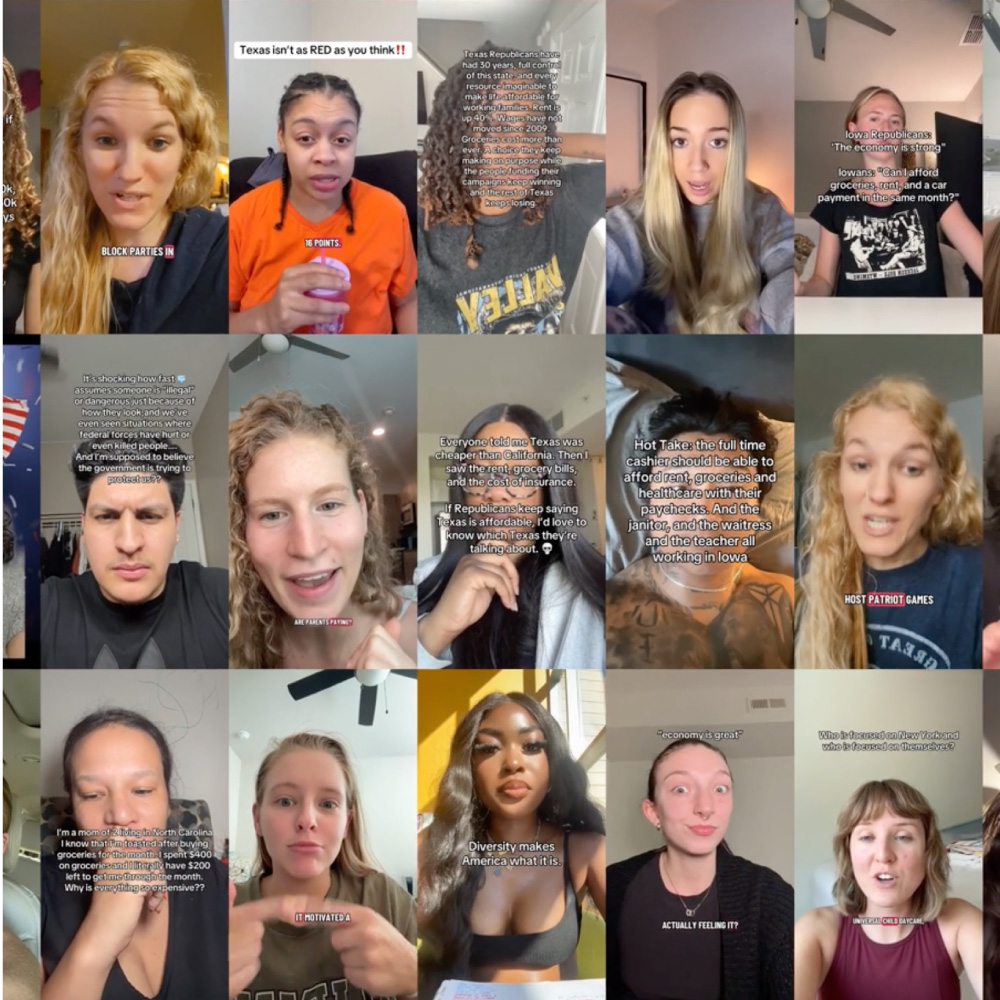
A growing network of paid content creators is flooding the internet with political messaging ahead of the midterm elections. Unlike celebrity influencers with massive audiences, these creators work at a smaller scale but produce content in high volume. Their output costs far less than traditional online campaign advertising.
The strategy relies on quantity over star power. Dozens of creators post short videos across platforms, often repeating similar talking points. The sheer volume pushes these messages into search results and recommendation feeds.
Campaigns and political groups pay these creators directly for their work. Rates vary widely, but most earn modest fees per video. The low cost allows buyers to fund hundreds of posts instead of a few expensive ads.
This approach differs sharply from conventional digital campaigning. Traditional online ads target specific demographics with polished production. Creator content feels more organic, even when it is coordinated and paid for.
The cumulative effect shifts public conversation. Repeated messages from many small accounts can create the impression of widespread agreement. Algorithms often amplify this effect by rewarding engagement.
Platforms struggle to label or track this content. Disclosure rules for paid political posts remain inconsistent across social media sites. Many viewers cannot tell the difference between genuine opinion and sponsored messaging.
Critics warn the practice deepens echo chambers. Supporters argue it democratizes political speech beyond wealthy advertisers. Regulators have yet to catch up with the rapidly evolving tactic.