The United States leads China in advanced artificial intelligence chips and top-tier research labs. American firms dominate the design of cutting-edge semiconductors used for A.I. training. This edge stems from decades of investment and a deep talent pool.
China trails in raw computing power and high-end chip manufacturing. Export controls have limited its access to advanced machinery from the U.S. and its allies. Beijing still struggles to produce the most powerful processors at scale.
China holds a clear advantage in deploying A.I. across everyday life. Its vast consumer base generates enormous amounts of data for training algorithms. Mobile payments, surveillance, and e-commerce all feed this ecosystem.
Beijing also moves faster on government-backed A.I. initiatives. State funding supports smart cities, facial recognition, and autonomous vehicles. National standards allow rapid rollout without lengthy regulatory debates.
The U.S. retains a lead in foundational software and cloud infrastructure. Companies like Google, Microsoft, and Amazon provide the platforms for global A.I. development. Their global reach shapes how A.I. tools are built and sold.
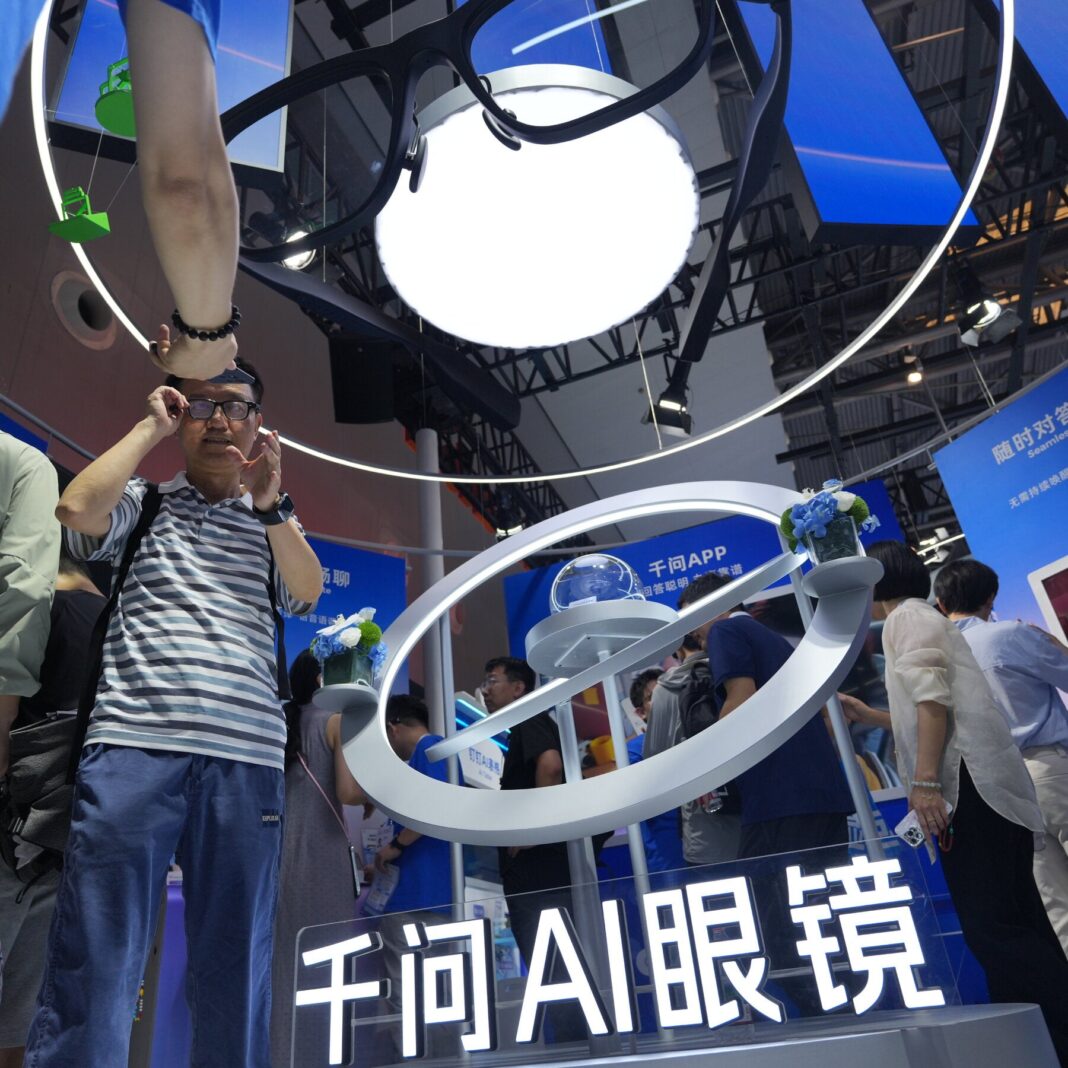
China excels in applied A.I. products for mass markets. Cheap sensors and cameras enable widespread use in factories, farms, and homes. This practical focus drives adoption beyond research labs.
Both nations now race to set global A.I. rules and norms. The U.S. pushes private-sector innovation with limited government mandates. China favors state guidance and tight control over data flows.
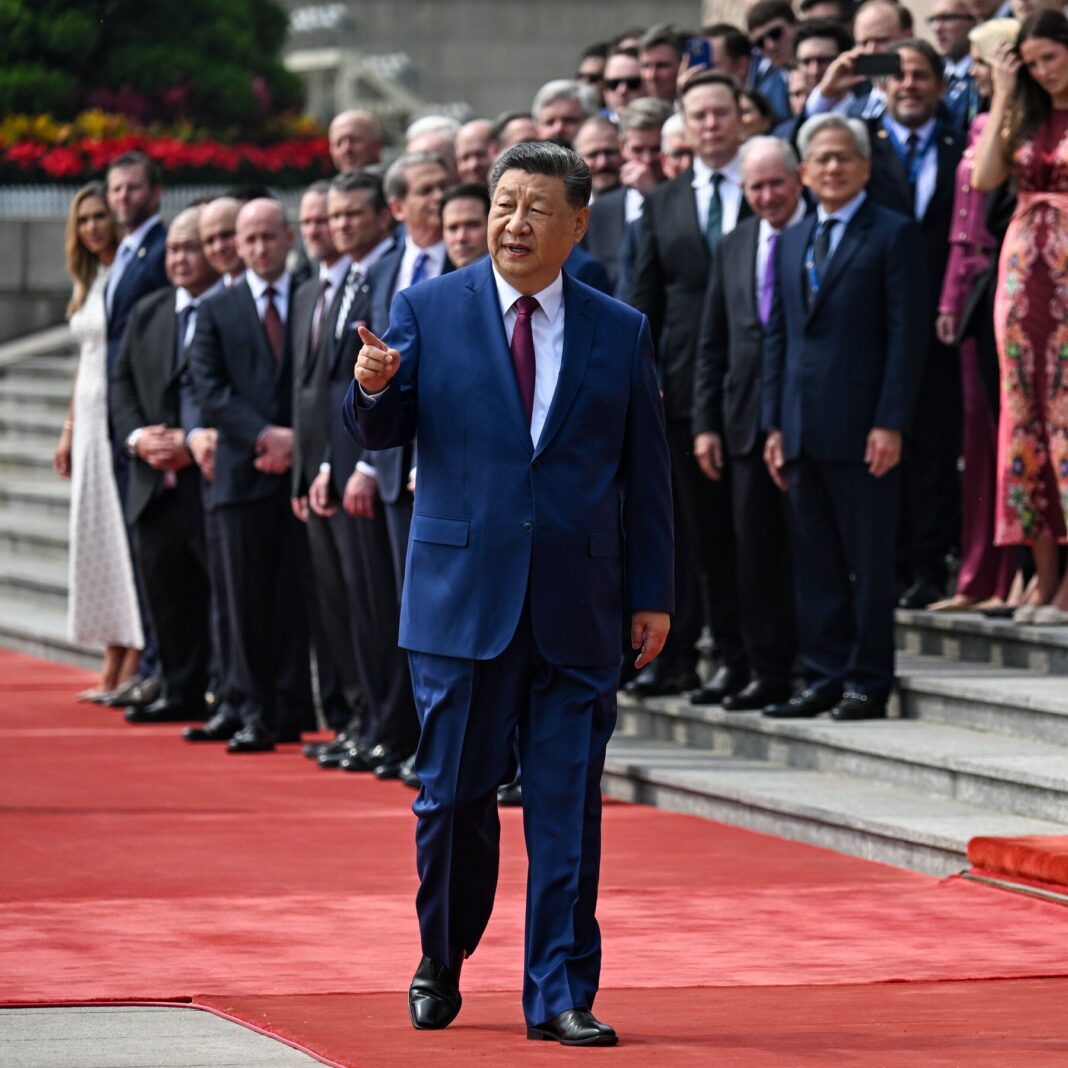
Xi’s visit to Washington highlights these competing strengths. Neither side holds a total advantage across the entire A.I. stack. The balance shifts by sector, application, and supply chain layer.