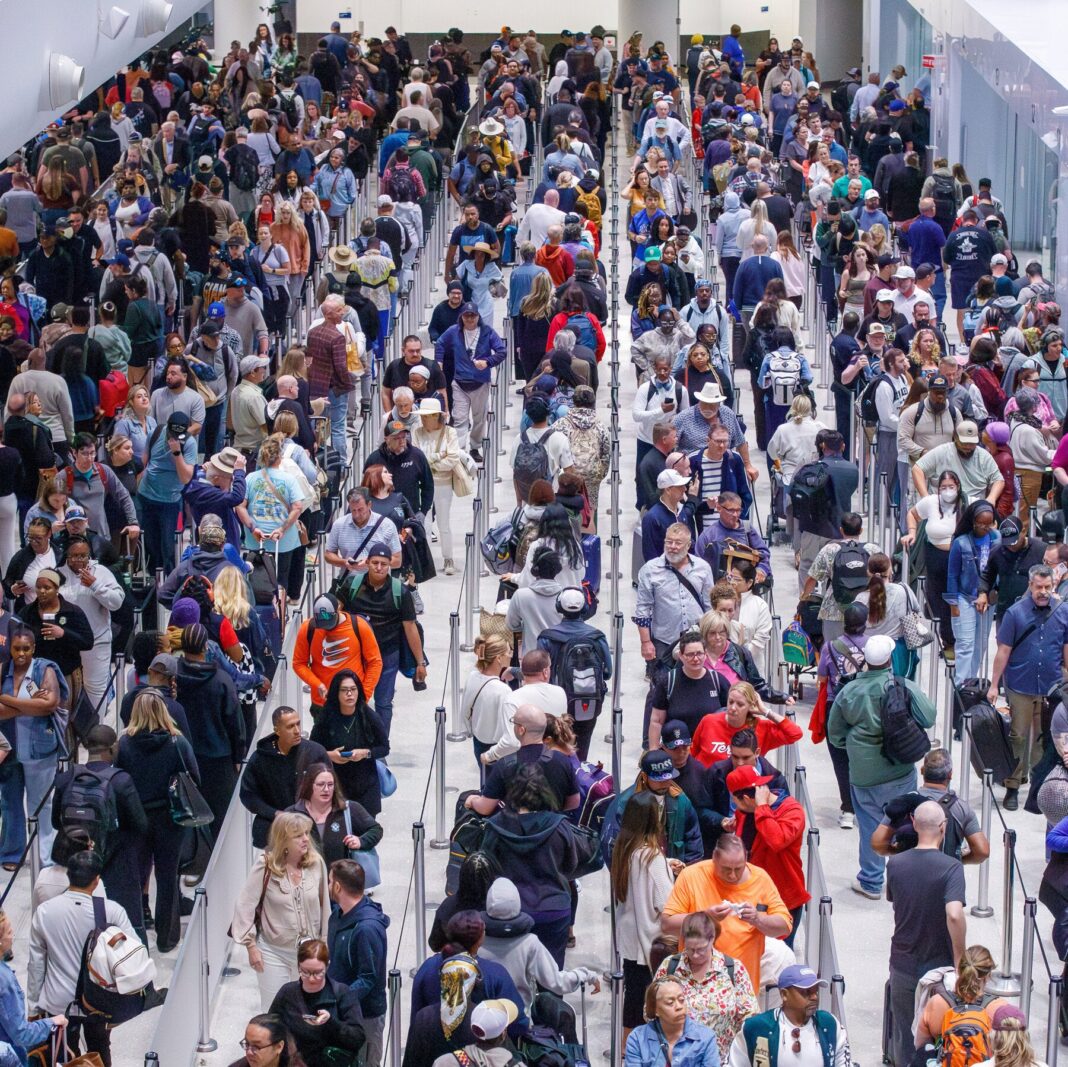
A summer of flight disruptions has reshaped how travelers approach air travel. Weather, technology failures, and staffing shortages caused widespread delays and cancellations. Passengers who adapted fastest faced fewer setbacks.
Flexibility now matters more than loyalty to any single airline. Travelers who book refundable fares or use points gain leverage when plans collapse. Rigid itineraries leave little room to recover from sudden changes.
Booking nonstop flights reduces the risk of missed connections. Each additional stop multiplies the chances of something going wrong. Direct routes cost more but often save time and stress.
Early morning departures remain the most reliable option. Delays tend to compound throughout the day as crews and aircraft fall behind schedule. The first flights out face fewer inherited problems.
Travelers should download airline apps and enable real-time alerts. Gate changes and cancellations often appear there before staff announce them. Quick information leads to quicker rebooking.
Packing light and carrying essentials in a personal item helps during stranded situations. Checked bags are harder to retrieve when flights are canceled. A change of clothes and medication should stay within reach.
Travel insurance and credit card protections can offset unexpected costs. Meals, hotels, and ground transport add up during long disruptions. Coverage varies, so reading the fine print before booking is essential.
Airlines now offer more self-service rebooking tools than in past years. Passengers who act immediately often secure seats before others in line. Standing in a queue may waste valuable time.
The core lesson from this summer is simple. Preparation and patience outperform frustration. Travelers who plan for problems handle them far better when they arrive.