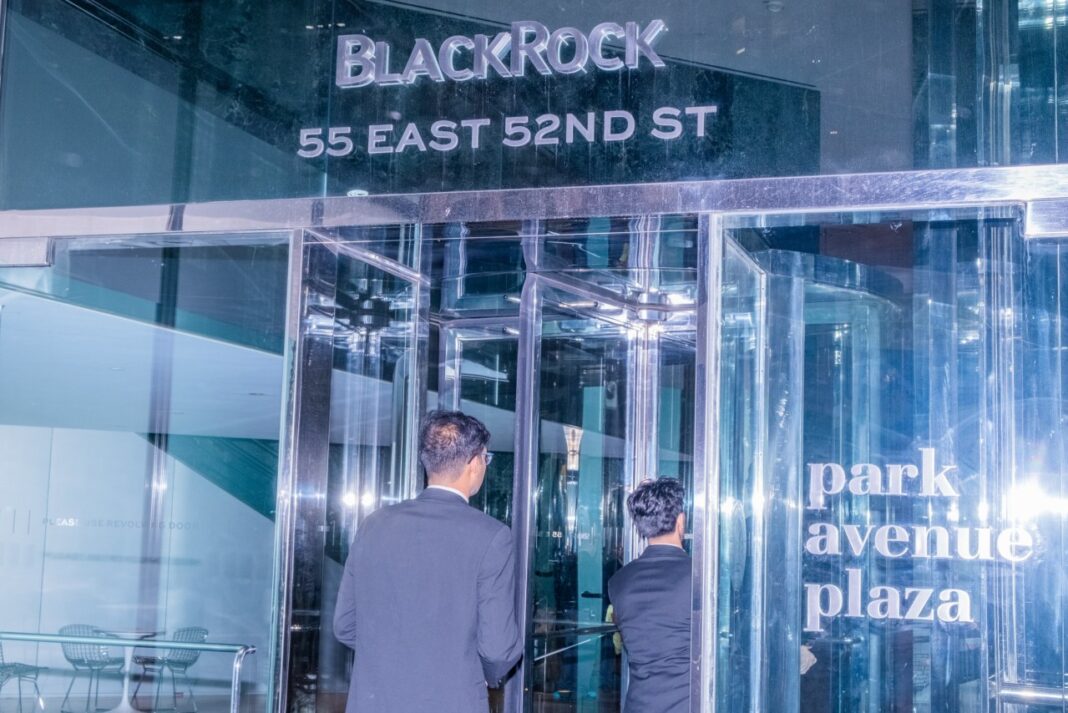
BlackRock has introduced three model investment portfolios that will exist as digital tokens on a blockchain. The asset manager designed these portfolios to hold baskets of exchange-traded funds. Ondo Finance handled the tokenization process.
Each portfolio gives investors exposure to a mix of ETFs through a single tokenized product. Tokenization converts traditional fund shares into digital assets recorded on a blockchain. This structure aims to make investing more efficient and accessible.
The move marks a notable step for BlackRock in combining conventional finance with blockchain technology. Tokenized portfolios can settle faster than traditional trades. They also offer transparent records of ownership on a distributed ledger.
Ondo Finance specializes in bringing real-world assets onto blockchain networks. The firm tokenized the BlackRock portfolios using its own infrastructure. This partnership links a major money manager with a growing digital asset platform.
Model portfolios typically serve as templates for financial advisers and investors. They provide diversified allocations across asset classes without requiring individual fund selection. BlackRock’s versions will follow that same approach but in token form.
Tokenized funds remain a small part of the broader investment market. Regulatory questions still surround how these products should be treated. Supporters argue that blockchain can reduce costs and expand access for smaller investors.
BlackRock has steadily expanded its presence in digital assets over the past several years. The firm launched a spot Bitcoin ETF and has explored other blockchain-based products. This latest effort signals continued interest in the tokenization space.
Other large financial institutions are also testing tokenized offerings. The trend suggests growing convergence between traditional asset management and blockchain networks. BlackRock’s entry could accelerate adoption across the industry.