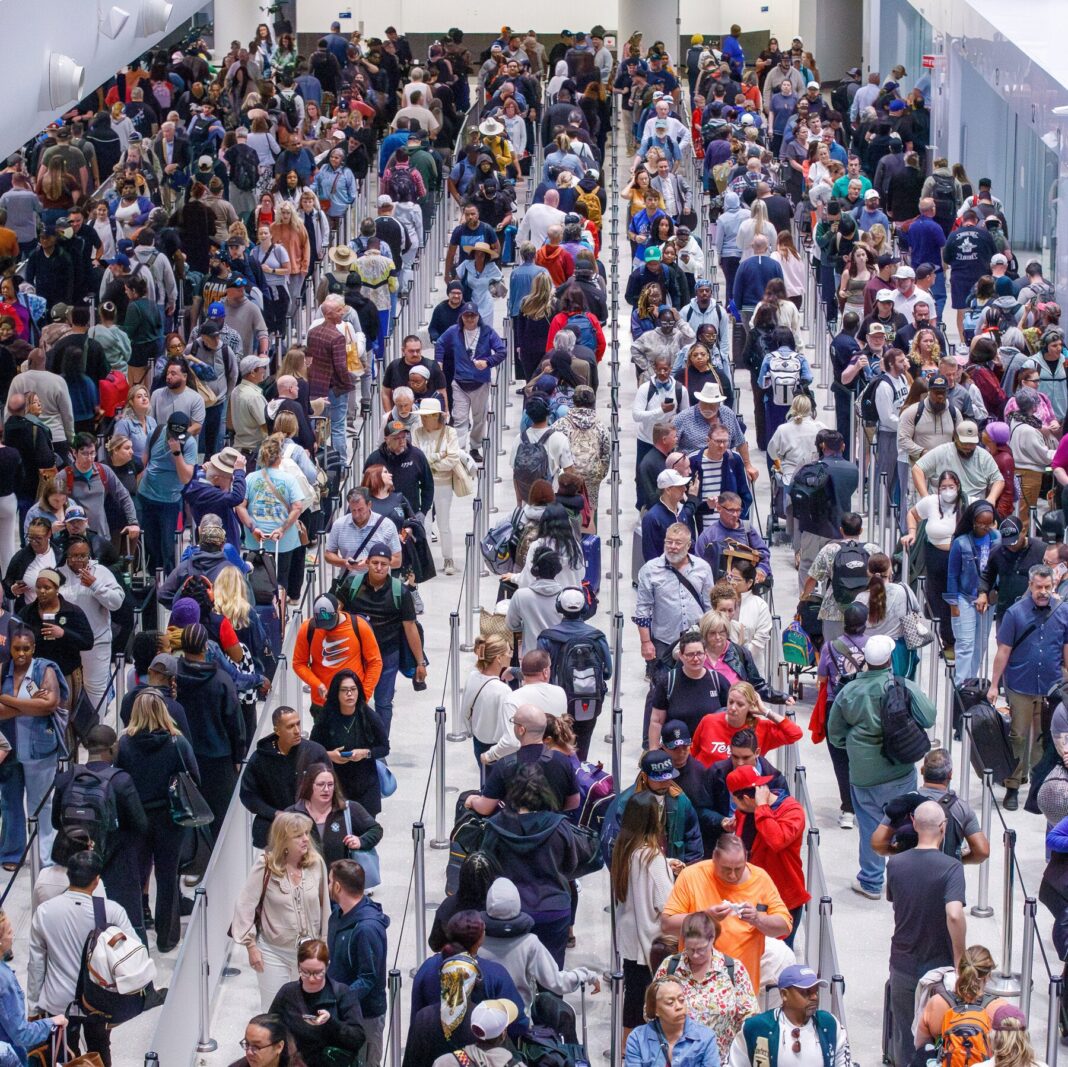
A summer of flight disruptions has reshaped how travelers approach air travel. Weather events, technology outages and staffing shortages caused widespread delays and cancellations. The result is a new set of informal rules for flying.
Flexibility now matters more than loyalty. Travelers who book refundable fares or use points gain the ability to change plans without heavy penalties. Fixed, nonrefundable tickets leave little room to maneuver when problems arise.
Booking nonstop flights reduces the risk of missed connections. Every additional layover adds another point of failure. Direct routes may cost more, but they often save time and stress when disruptions hit.
Early morning departures tend to have fewer delays. Aircraft and crews are already in position before daily complications compound. Later flights inherit the problems of everything that came before them.
Travelers should download airline apps and enable notifications. Real-time alerts often arrive before gate agents can announce changes. Digital tools allow passengers to rebook before lines form at customer service desks.
Packing light and carrying essentials in a personal item helps during extended waits. Checked bags can be difficult to retrieve during irregular operations. A change of clothes and medication in a carry-on provides a buffer against overnight disruptions.
Travel insurance and credit card protections can offset costs from hotels and meals. Many policies cover trip delays and missed connections. Reading the fine print before booking clarifies what is actually covered.
The broader lesson is that air travel demands preparation and patience. Contingency planning is no longer optional for frequent flyers. Adaptable travelers experience fewer consequences when systems fail.