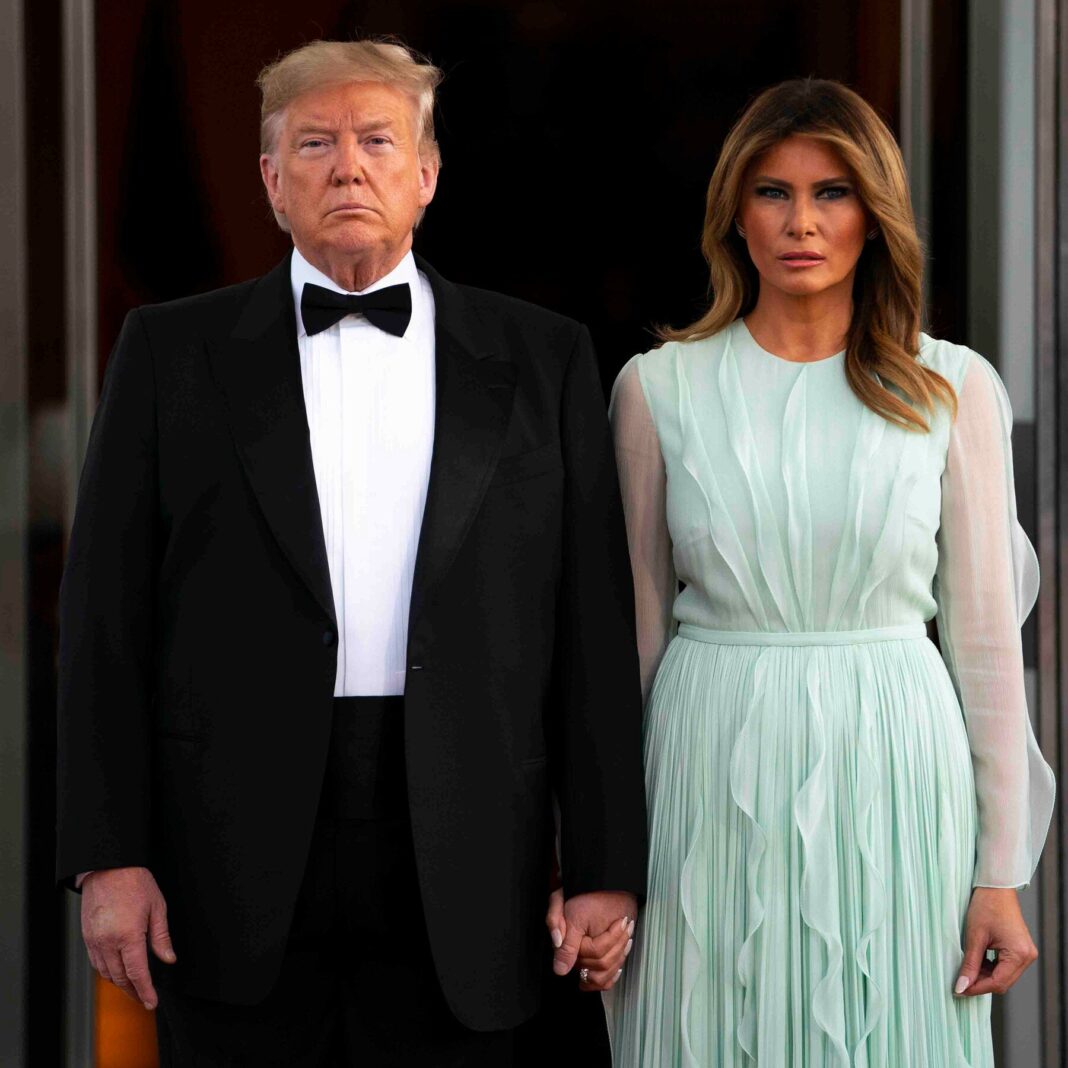
President Trump will host Chinese President Xi Jinping for a state dinner on Thursday. The event marks only the fourth state dinner of Trump’s presidency. This total falls well below the pace set by his recent predecessors.
State dinners are formal events meant to strengthen diplomatic ties between nations. They typically include ceremonial honors and high-level meetings. These gatherings serve as tools for foreign policy and relationship building.
Trump has held far fewer of these dinners than other modern presidents. Barack Obama hosted thirteen state dinners across two terms. George W. Bush hosted six during his time in office.
The low number reflects Trump’s preference for informal diplomacy. He often favors working dinners and direct meetings over formal ceremonies. This approach has reshaped how the White House conducts foreign outreach.
The dinner for Xi comes amid complex U.S.-China relations. Trade disputes and security tensions have defined recent exchanges. Both sides may use the event to ease diplomatic friction.
Preparations for the dinner involve careful planning and coordination. Menus, seating, and entertainment are chosen to project goodwill. Such details carry symbolic weight in international affairs.
The event will draw attention from diplomats and policy experts. Many will watch for signs of improved cooperation between the two powers. The outcome could influence future negotiations on key issues.
Trump’s limited use of state dinners sets him apart from tradition. Yet his administration argues that personal rapport matters more than ceremony. The Xi dinner will test whether that strategy yields results.