The Justice Department has closed dozens of school desegregation cases, many of them in the South. The move ends federal oversight that had lasted for decades. Officials said the decrees were outdated and no longer needed.
Critics condemned the decision and said it pushed the nation backward. Some compared the change to the Jim Crow era. They warned that without oversight, racial segregation could return to schools.
The cases date back to the civil rights movement. For years, federal courts ordered districts to desegregate. The agreements required schools to report progress and meet specific goals.
Justice Department officials defended the closures. They said many districts had complied with the orders for years. Keeping the decrees in place, they argued, wasted resources and served no purpose.
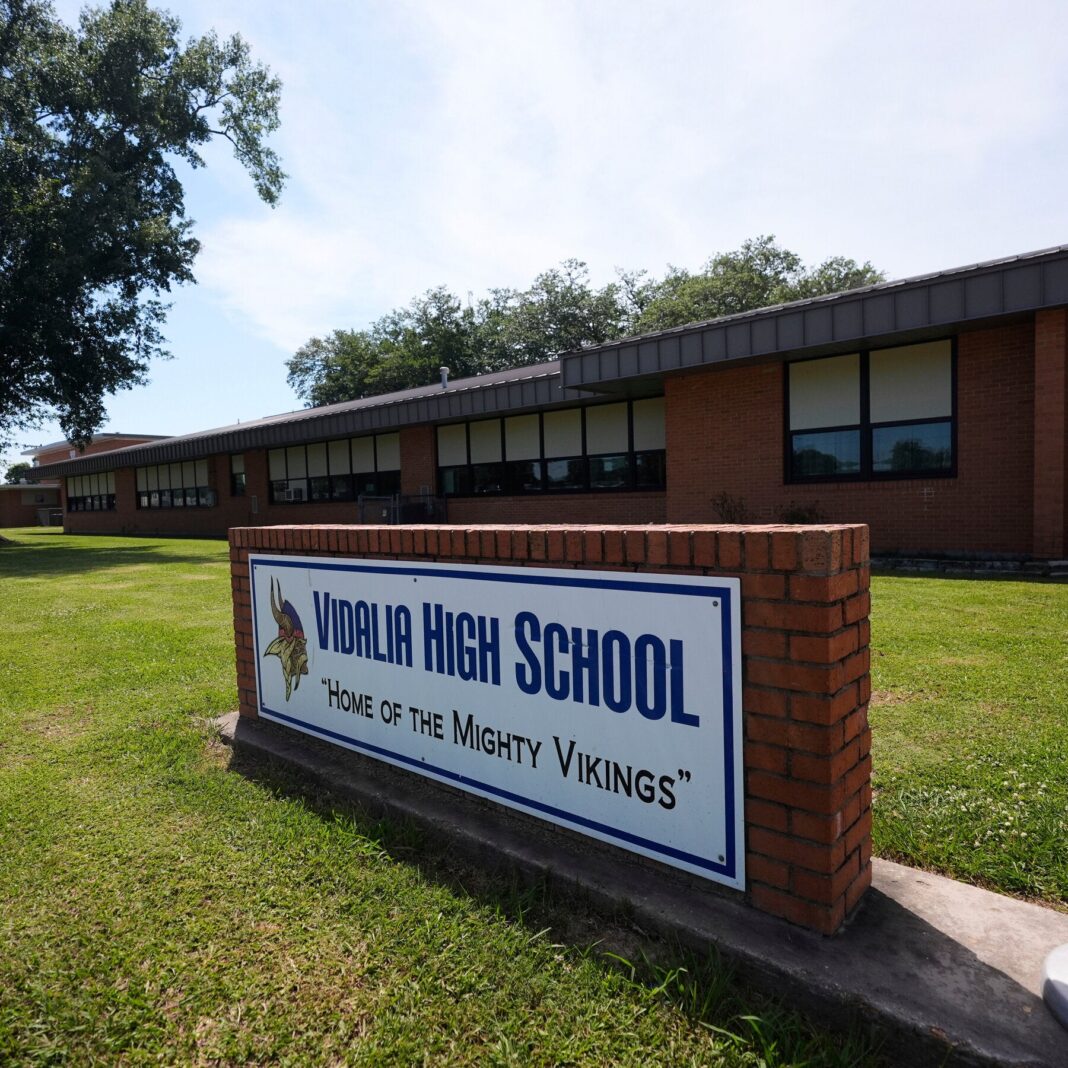
The affected districts span several Southern states. Some had been under oversight since the 1960s. Local school leaders said they remained committed to equal education for all students.
Civil rights groups disputed that claim. They pointed to recent data showing resegregation in some districts. Without federal supervision, they said, progress could stall or reverse.
The department did not announce which cases were closed or how many. The total number remains unclear. Officials declined to release a full list or explain each decision.
Legal experts hold mixed views on the impact. Some said the decrees had outlived their usefulness. Others argued that oversight remains necessary to protect minority students.
The closures mark a shift in federal enforcement of civil rights law. Similar cases could follow in other regions. Advocates vowed to monitor the districts and challenge any return to segregation.