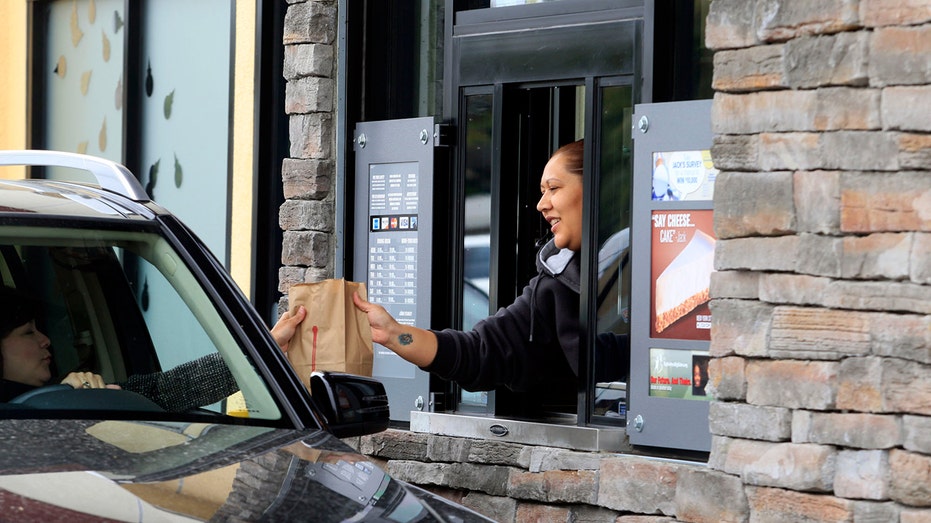
Fast-food breakfasts have become a daily habit for millions of Americans. Drive-thru windows now define the morning routine for a large share of the country. A food historian traces how this once-novel idea turned into a standard part of American life.
The rise began with changing work schedules and longer commutes. Workers needed meals that fit into tight morning windows. Drive-thrus offered speed without requiring people to leave their cars.
Restaurants recognized an untapped market in the early morning hours. Traditional breakfast spots closed too early or took too long. Fast-food chains filled that gap by staying open and serving food quickly.
Technology played a major role in the shift. Improved ordering systems and kitchen equipment made mass breakfast production possible. Speakers and pickup windows streamlined the entire process.
Competition pushed chains to innovate constantly. New menu items and limited-time offers kept customers returning. Breakfast soon became a major profit source for many brands.
Cultural changes reinforced the trend over time. More households had two working adults with less time to cook. Convenience outweighed sit-down meals for many families.
The drive-thru also reshaped how cities and highways were designed. Zoning laws and traffic patterns began to accommodate long lines of cars. Urban planners had to account for these new daily traffic surges.
Today the morning drive-thru is a deeply embedded American institution. Its success stems from a mix of economics, technology, and shifting lifestyles. What started as a novelty became a lasting fixture of daily life.