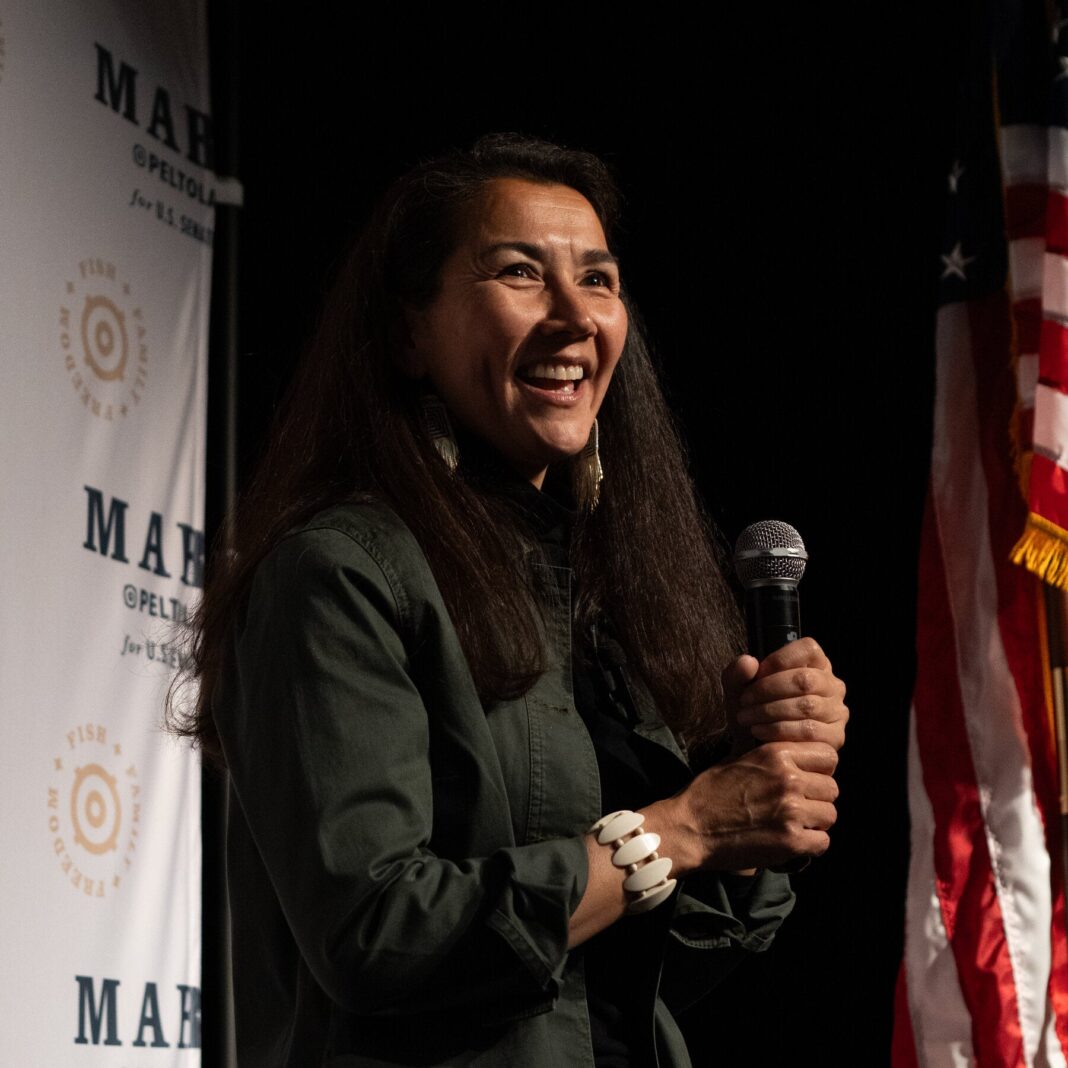
Mary Peltola is running for the U.S. Senate in Alaska as a Democrat. Her political positions defy easy labels. She supports gun rights, oil, and gas development. She also backs environmental protection and prioritizes fish policy.
Peltola built her reputation in Alaska politics through a distinctive coalition. She appeals to rural voters, Native communities, and labor groups. Her message centers on resource development balanced with conservation. That combination has reshaped how Democrats compete in a deeply red state.
Her rise to national attention began with a special election victory in 2022. She became the first Alaska Native to serve in Congress. The win stunned political observers who had written off Democratic chances there. She then held the seat through a full term.
Peltola’s stance on oil and gas sets her apart from many national Democrats. She supports drilling in the Arctic National Wildlife Refuge. She argues that Alaska’s economy depends on responsible extraction. At the same time, she calls for stronger protections for fisheries and watersheds.
Fishing remains her signature issue. She served as a fisheries manager before entering politics. Her focus on fish stocks resonates across party lines in coastal communities. She often says fish policy is economic policy in Alaska.
Her pro-gun position also reflects her state’s culture. Hunting and subsistence living are central to many Alaskan lives. Peltola has resisted calls for strict firearm restrictions. That stance has earned her support from voters who typically back Republicans.
Critics say her positions can appear contradictory. Supporters describe them as pragmatic and rooted in local needs. Peltola rejects ideological purity in favor of results. She frames her approach as putting Alaska first.
Her Senate campaign faces a tough national environment. Alaska’s electorate remains unpredictable under its ranked-choice voting system. Peltola’s brand of politics will be tested against well-funded opponents. The race could determine control of the Senate.
Peltola’s story reflects a broader shift in American politics. Candidates who mix traditionally opposing views can still win. Her focus on local industries and cultural identity drives her appeal. Whether that formula works statewide in November remains uncertain.