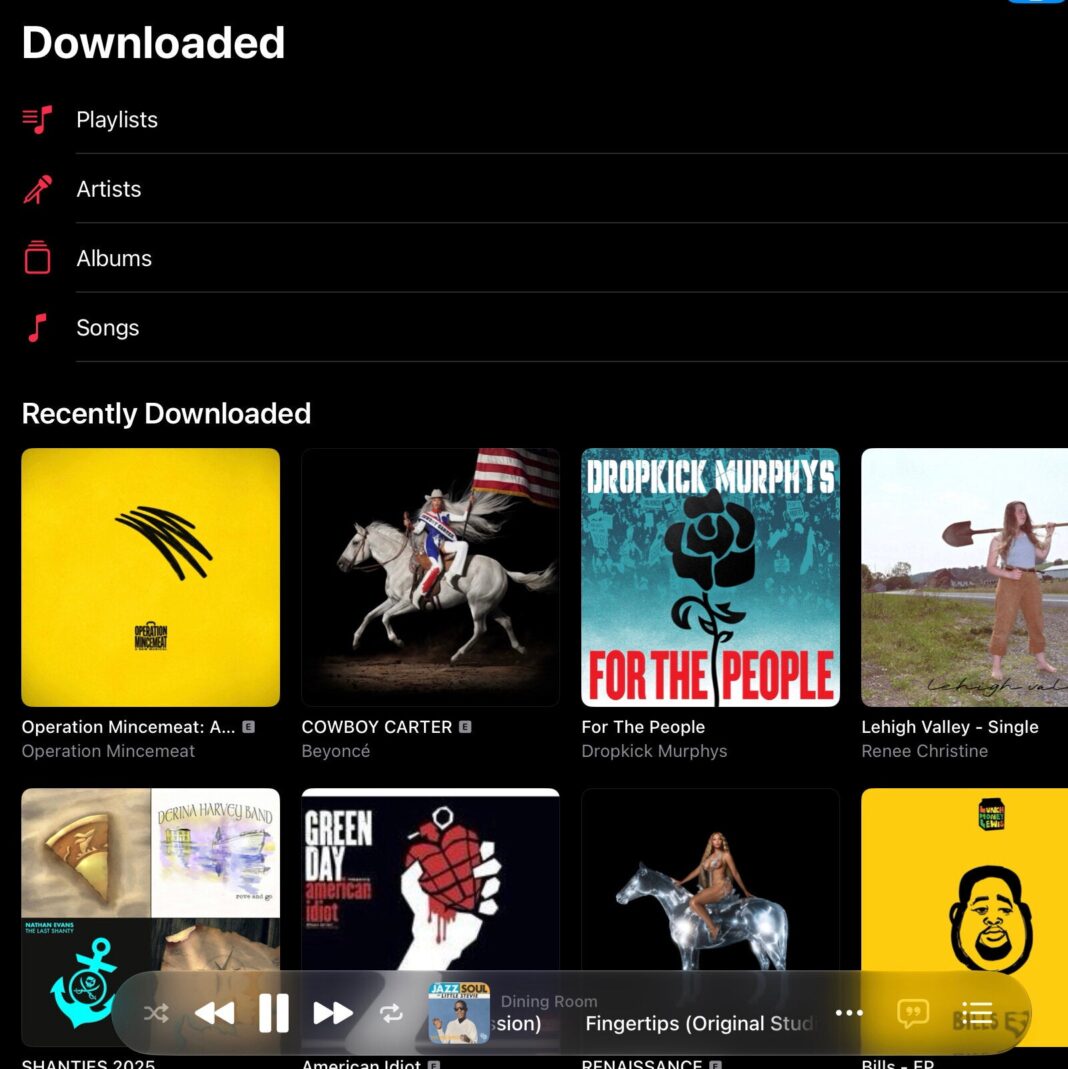
Streaming services offer nearly unlimited access to music, but they depend on a stable internet connection. Downloading your own digital collection provides a reliable alternative when that connection fails. Each approach has distinct advantages depending on where and how you listen.
Streaming platforms give you instant access to millions of tracks without using device storage. Algorithms also suggest new artists based on your habits. This makes them ideal for everyday listening at home or in cities with strong cellular coverage.
Downloaded files remain playable without any network signal. That matters on flights, remote hikes, or during outages. Your library stays under your control and cannot be removed by licensing changes.
Most streaming services allow offline downloads through their mobile apps. You select albums or playlists and store them temporarily on your device. These files typically expire if you stop paying the subscription.
For a permanent collection, purchase digital albums from storefronts that provide DRM-free files. These work across players and devices without recurring fees. You own the files outright and can back them up anywhere.
Music files often carry embedded metadata such as artist, album, and cover art. Good players read this data to organize your library automatically. Consistent tagging keeps large collections manageable.
Portable players and phones support common formats like MP3, AAC, and FLAC. FLAC preserves full audio quality but takes more space. MP3 and AAC save room with minor quality loss.
Several free and paid apps handle both streaming and local files in one interface. This lets you switch between sources without changing habits. Check that your chosen app supports your file formats before committing.
A practical setup combines both methods. Use streaming to explore new music and downloads to keep favorites safe. This balance ensures you always have something to play, online or off the grid.