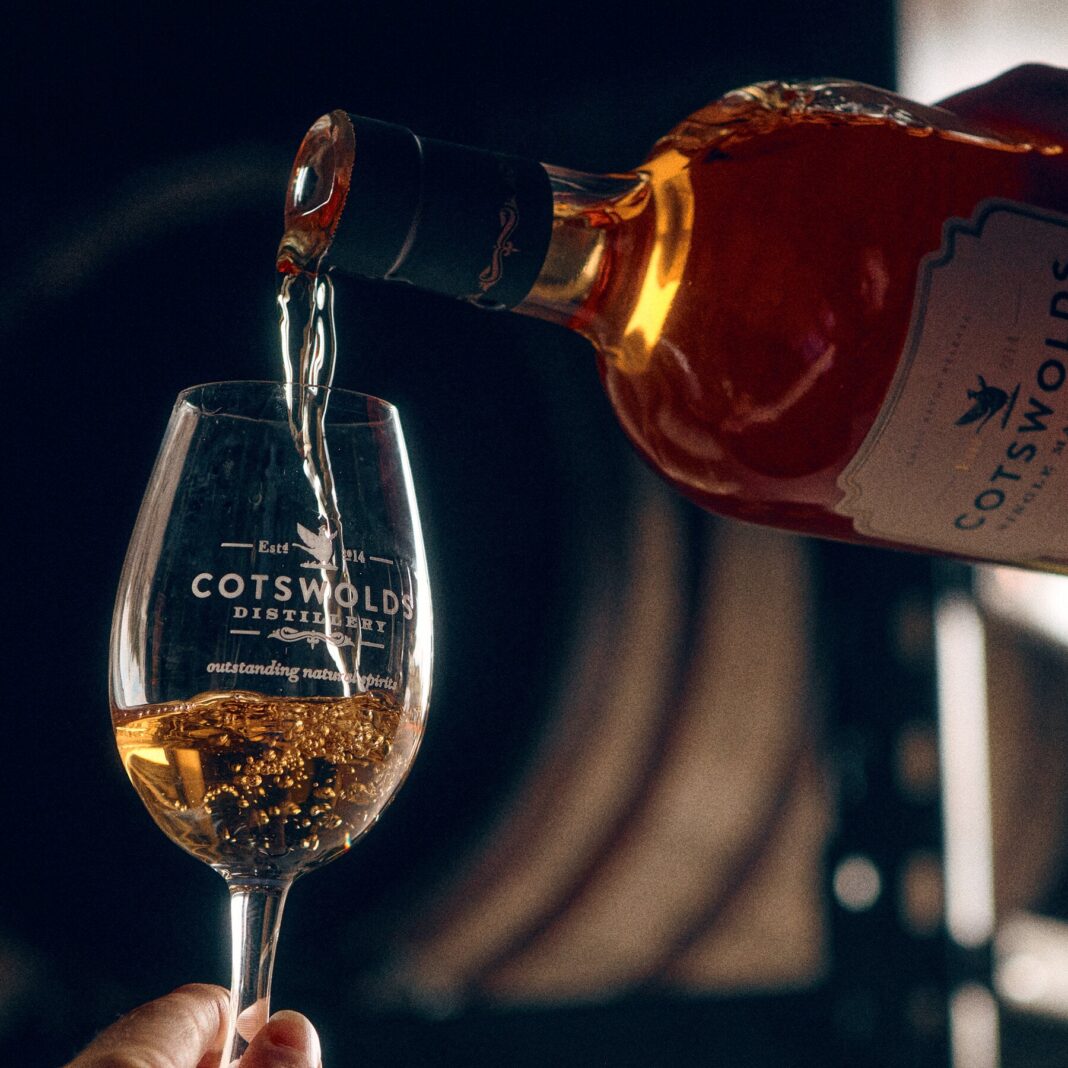
English distillers have secured protected status for their whisky, marking a significant shift in the United Kingdom’s spirits industry. The designation grants English whisky the same legal protections long enjoyed by Scotch. This move signals growing recognition for a once-niche category.
The protected status means English whisky must meet specific production standards tied to its origin. Only spirits made in England can carry the name. This framework mirrors rules that have defined Scotch for generations.
Scottish producers have responded with concern. They worry the new label could dilute the prestige Scotch has built over centuries. Some fear consumers may confuse the two products on shelves.
English whisky production has expanded rapidly in recent years. Dozens of distilleries now operate across the country. Many have earned critical praise for their craft and experimentation.
The protected status could accelerate that growth. It gives English distillers a formal identity in global markets. Retailers and buyers now have clear rules for what counts as English whisky.
Scotch remains the dominant force in U.K. whisky exports. It supports thousands of jobs and generates billions in revenue. Producers argue that any confusion threatens that legacy.
Regulators approved the English designation after years of lobbying. The decision reflects broader efforts to protect regional food and drink. Similar rules already cover Welsh and Irish spirits.
The two industries now compete under distinct legal labels. English distillers see opportunity, while Scots defend their turf. How consumers respond will shape the rivalry in the years ahead.