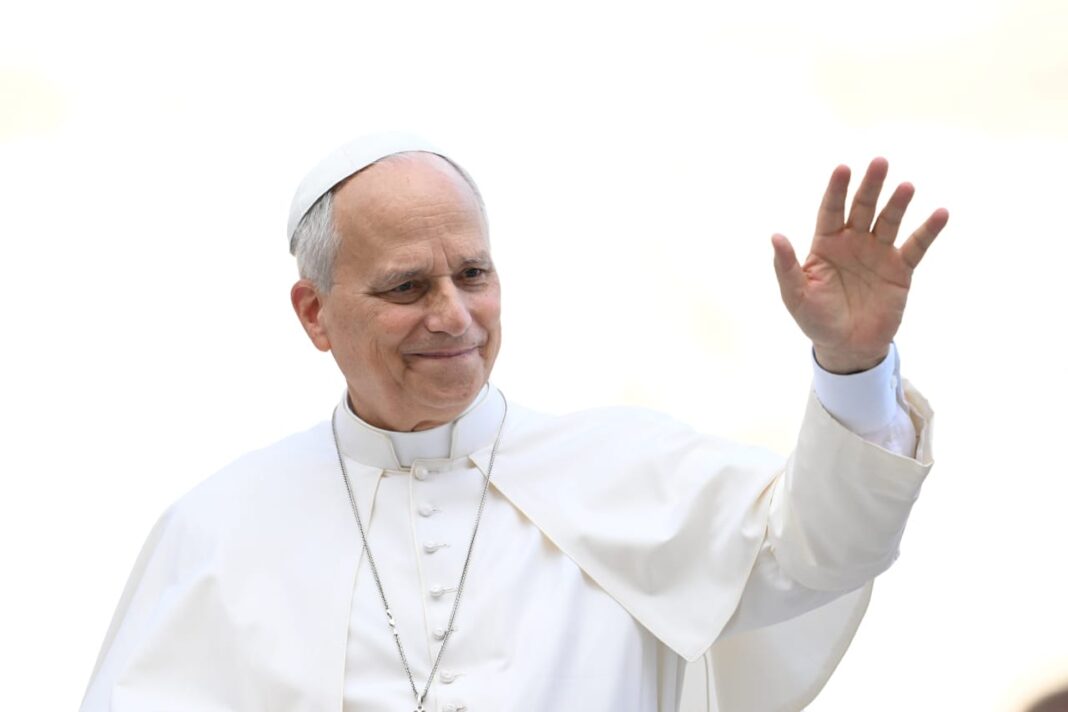
Pope Leo XIV has issued a moral framework for artificial intelligence, arguing that machines cannot possess a human soul. His statement directly challenges the growing influence of AI companies like Anthropic.
The Vatican’s guidance insists that algorithms lack the spark of humanity. This position sets a clear boundary between machine computation and human dignity.
Anthropic, a leading AI safety firm, has publicly debated the possibility of AI consciousness. The company’s research often explores whether advanced models could develop some form of inner experience.
The Pope’s remarks arrive as governments struggle to regulate rapidly evolving AI systems. Ethical questions about machine rights and personhood are no longer purely academic.
Church officials have long engaged with scientific breakthroughs, from genetics to nuclear energy. The new document extends that tradition to digital intelligence.
Anthropic has not issued a direct rebuttal to the Vatican. The company continues to fund research on AI alignment and interpretability.
The clash highlights a deeper divide between theological and technological views of consciousness. Each side claims authority over what it means to be human.