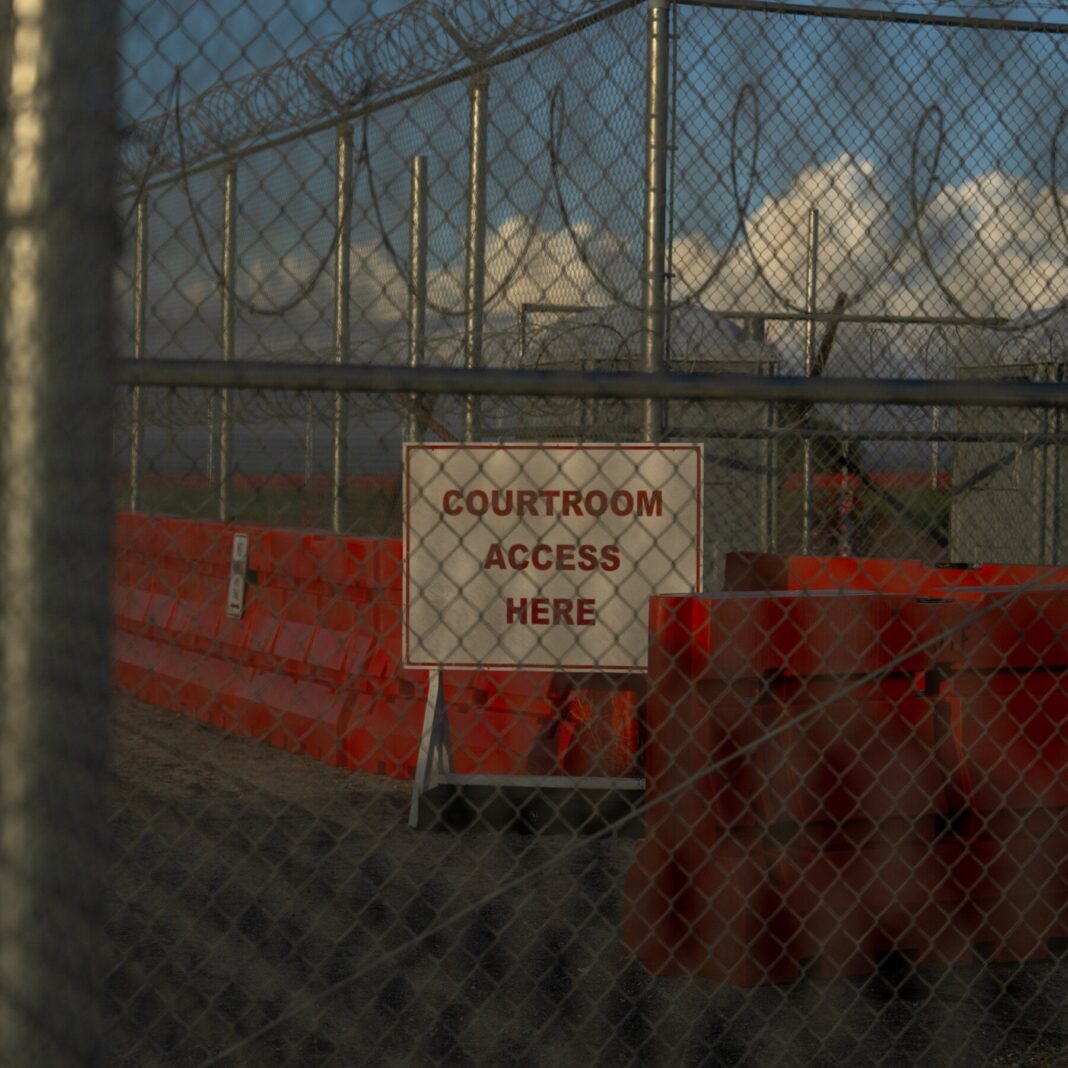
A long-running military commission case at Guantánamo Bay is finally moving toward trial. The proceedings have been marked by unusual legal disputes. Among them are questions about how witnesses will testify.
Prosecutors have asked the court to allow remote testimony. Many witnesses are unable or unwilling to travel to the naval base in Cuba. The request aims to keep the case moving despite logistical hurdles.
Defense lawyers have raised a separate concern. They want jurors to know that the defendant will not go free, regardless of the verdict. The request reflects the unique constraints of the military tribunal system.
The case centers on the 2000 bombing of the USS Cole. The attack killed 17 U.S. sailors. A Saudi man is accused of orchestrating the strike.
Legal experts note that remote testimony is rare in military commissions. The practice could raise questions about a defendant’s right to confront witnesses. Both sides are expected to debate the issue in pretrial motions.
The defense’s jury instruction request is equally uncommon. It asks the panel to consider that a conviction or acquittal will not lead to release. Such instructions are standard in some death penalty cases but not in this context.
The judge has not yet ruled on either request. Hearings are scheduled in the coming weeks. The trial itself is expected to begin next year.
Observers say the delays and disputes highlight the challenges of trying terrorism suspects at Guantánamo. The case has been pending for more than a decade. Its progress now depends on how the court resolves these procedural questions.