President Donald Trump has repeatedly blurred the line between his public office and private business interests. His decision to host an international summit at his own golf club marks a notable break from past practice. The move illustrates how traditional ethics boundaries have shifted during his time in office.
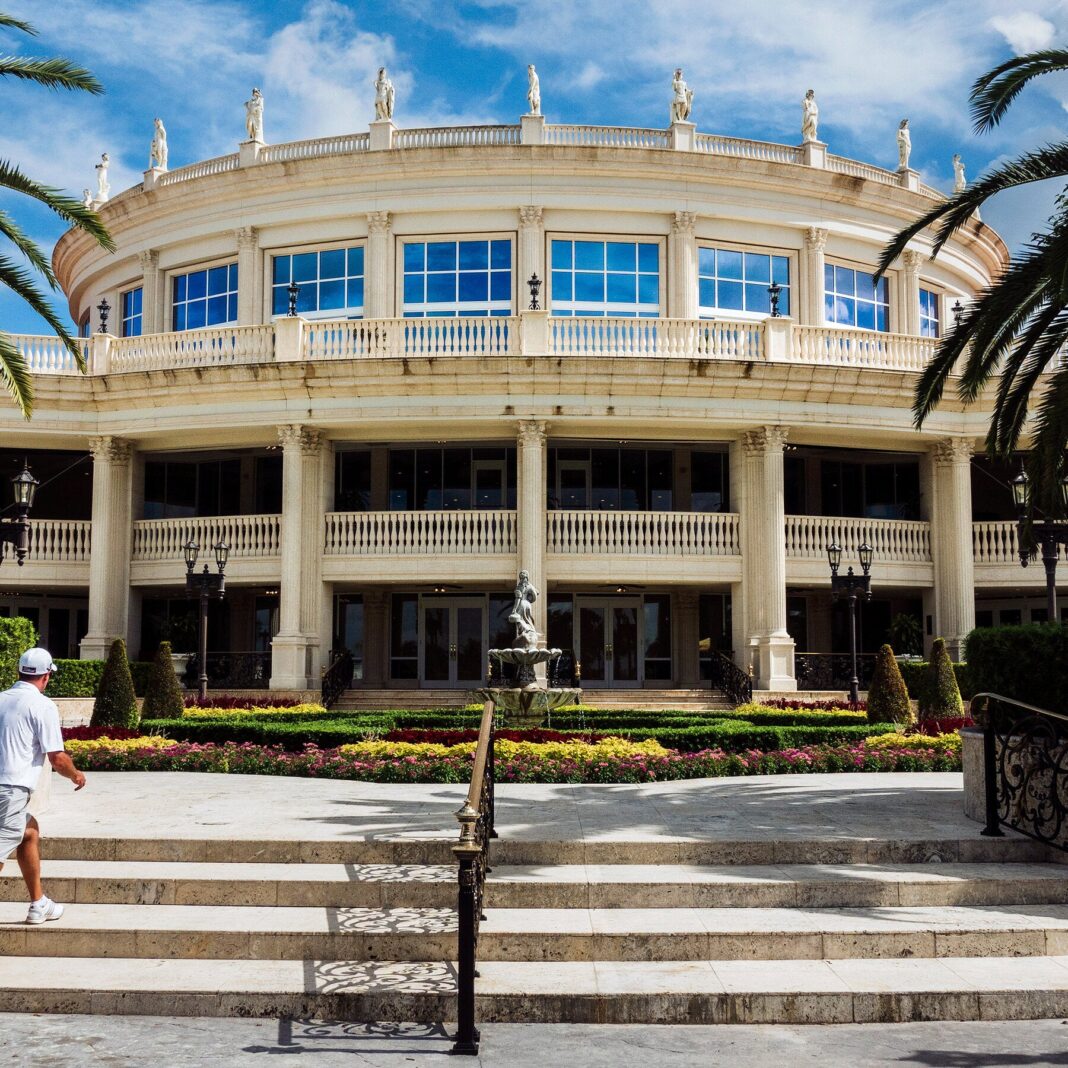
During his first term, Trump proposed holding a Group of Seven summit at his Doral golf resort in Florida. That plan drew sharp criticism from both parties and was eventually abandoned. Now, the same idea has moved forward without the same level of resistance. The reversal highlights how much the political landscape has changed.
The summit at the private club raises questions about taxpayer money flowing to the president’s personal properties. Foreign governments and domestic groups seeking influence may book events at these venues. Such transactions can create conflicts of interest that are difficult to track. Ethics watchdogs have long warned about this overlap.
Trump’s businesses have benefited from his political profile in other ways. His hotels and resorts have hosted political fundraisers, campaign events, and meetings with foreign officials. These gatherings bring visibility and revenue to properties bearing his name. The arrangement differs from how previous presidents handled their financial holdings.
Past presidents typically placed their assets in blind trusts or divested from businesses that could create conflicts. Trump chose not to do so, maintaining ownership of his company throughout his presidency. That decision opened the door to ongoing ethical scrutiny. Critics argue it set a new standard for what is considered acceptable.
Supporters contend that Trump is not violating any laws by hosting events at his properties. They note that government ethics rules are not the same as criminal statutes. The president has the right to conduct business as a private citizen, they say. This argument has gained traction among his allies.
The long-term effect may be a permanent shift in expectations. Future candidates could follow the same playbook without facing significant consequences. Voters appear divided on whether such behavior matters at the ballot box. The boundaries that once guided presidential conduct may no longer hold.