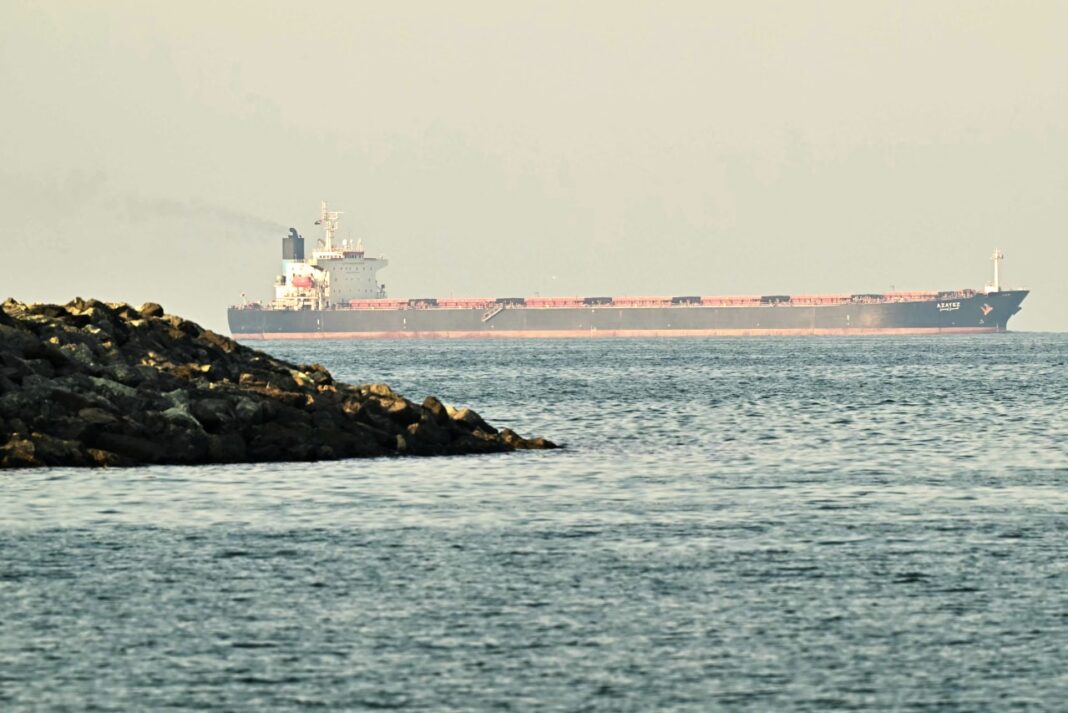
Recent market movements highlight the complex relationship between geopolitical events and investor sentiment. A renewed threat to block the Strait of Hormuz has triggered a decline in global stock indices. This key maritime passage is a vital artery for global oil shipments.
Any disruption there immediately raises concerns over energy supply and prices. Investors reacted by moving away from riskier assets, leading to broad market losses. The sell-off particularly impacted sectors sensitive to energy costs and global trade.
Simultaneously, a critical report scrutinizes common narratives in the fund management industry. It suggests some investment professionals may overstate their predictive abilities or past successes. This practice can make distinguishing skill from luck difficult for investors.
The analysis points to a tendency to highlight winning picks while downplaying losses. Such storytelling can shape perceptions of a fund’s performance and manager expertise. This environment makes thorough, independent research more crucial than ever for individuals.
These two stories, while distinct, are connected by themes of perception and reality. One involves the tangible, immediate impact of a geopolitical flashpoint on asset prices. The other concerns the more subtle influence of narrative on long-term investment decisions.
Both situations underscore the importance of looking beyond surface-level information. For markets, it means analyzing the underlying fundamentals beyond headline-driven volatility. For fund selection, it requires examining consistent performance data and strategy.
Ultimately, navigating financial markets demands a disciplined approach that accounts for both external shocks and internal biases. Investors are reminded that vigilance and skepticism are valuable tools in all market conditions.