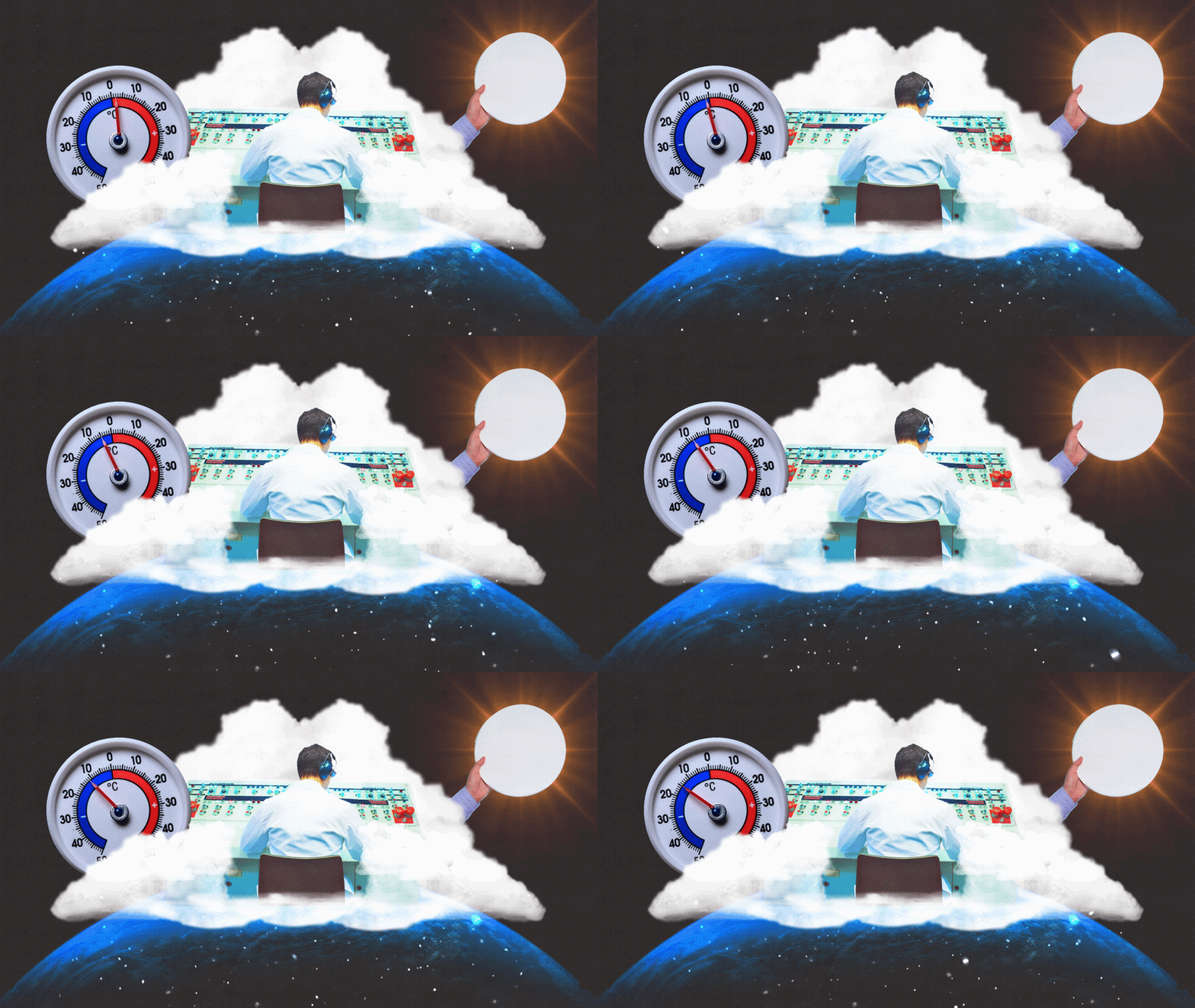
A new simulation explored how solar geoengineering might unfold in a world shaped by geopolitics. Researchers tested the idea of dimming the sun to slow climate change. The results revealed risks that go beyond science.
Solar geoengineering aims to reflect some sunlight away from Earth. Proponents say it could buy time while emissions fall. Critics warn it could trigger conflict between nations.
The simulation placed participants in a fictional crisis involving competing states. Each side pursued its own interests under uncertain conditions. Cooperation quickly broke down.
Political mistrust drove decisions more than scientific evidence. Nations struggled to agree on who would control the technology. Others feared being left behind.
The exercise showed how a climate tool could become a weapon of leverage. One country’s action could force reactions from others. This dynamic raised the specter of an arms race.
Researchers stressed that the simulation is not a prediction. It is a warning about how fragile global coordination remains. Real-world decisions would carry even higher stakes.
The study adds to growing calls for international rules on geoengineering. Without governance, even well-intentioned efforts could backfire. The technology remains untested at scale.
Scientists agree that cutting emissions stays the safest path forward. Solar geoengineering cannot replace that work. It may only delay consequences if used unwisely.
The simulation’s outcome suggests that human politics, not physics, may pose the biggest obstacle. Any future deployment would require trust that does not yet exist.