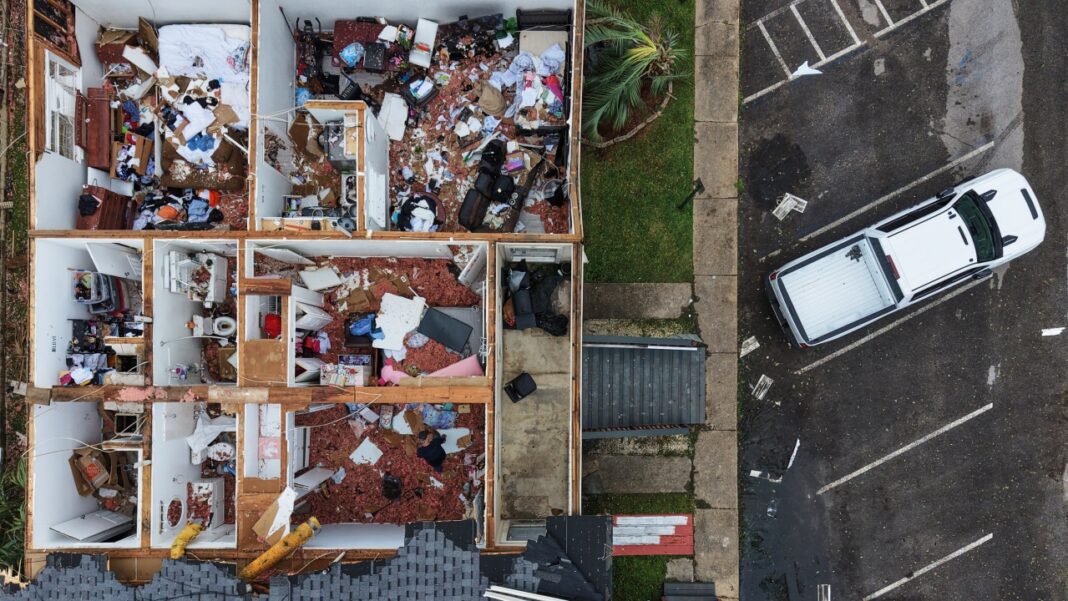
A Gulf hurricane would need to cause far more damage to shift the insurance market. Current storm activity has not produced losses large enough to change pricing trends. Insurers continue to operate under stable conditions despite recent weather events.
Capital continues to flow into the insurance sector at a strong pace. This influx of money is increasing competition among insurers. More available capital often pushes prices down rather than up.
Reinsurance markets show similar patterns. Global reinsurers remain well-capitalized and ready to cover major losses. Their capacity to absorb storm damage reduces the need for sharp rate increases.
Hurricane activity in the Gulf has not reached the level needed to disrupt the market. Storms have caused local damage but not widespread industry losses. The overall financial impact remains manageable for most carriers.
Insurance pricing depends on long-term loss trends, not single events. A storm must exceed expected losses to trigger market-wide changes. Recent hurricanes have stayed within projected ranges.
Investors view insurance as an attractive sector for steady returns. This confidence keeps capital flowing in even after active storm seasons. The result is a market that absorbs shocks without major disruption.
Climate risk remains a factor in long-term planning. However, current hurricane losses have not altered the fundamental balance of the market. Insurers continue to adjust models without needing a full reset.
A single Gulf hurricane rarely reshapes the entire insurance industry. Only catastrophic, unprecedented losses can force a true market correction. For now, capital strength outweighs storm impact.