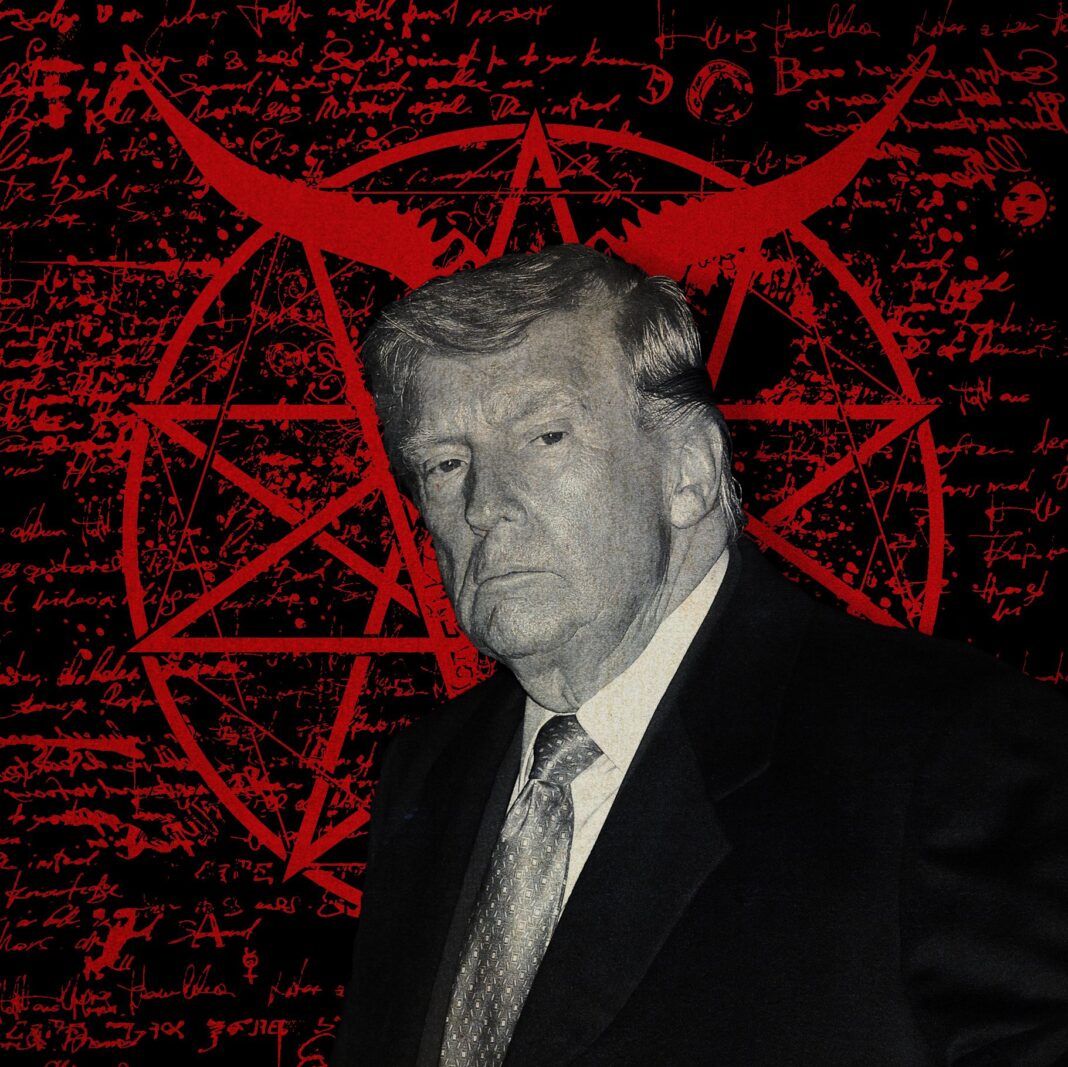
Some conservative commentators and supporters are raising a provocative question. They are asking whether President Donald Trump could be the antichrist. This speculation has emerged online following recent tensions with Iran.
A series of social media posts have fueled these discussions. One widely shared image depicted Trump in a manner reminiscent of Jesus Christ. This visual comparison has sparked intense debate among his base.
The context includes escalating military actions and rhetoric. Trump’s decision to authorize a strike that killed a top Iranian general was a key moment. This move prompted deeper theological reflections from some followers.
These supporters are parsing religious prophecy and current events. They are examining traditional descriptions of the antichrist figure. Their analysis connects political leadership with apocalyptic scripture.
This represents a notable shift within a segment of Trump’s coalition. Staunch advocates are now publicly voicing spiritual doubts. Their questions blend political loyalty with eschatological concern.
The conversation is largely unfolding on digital platforms. Forums and social media allow for rapid dissemination of these ideas. This online discourse highlights the complex intersection of faith and politics.
It underscores how external crises can trigger internal ideological reassessments. For some, geopolitical conflict serves as a catalyst for religious questioning. The dialogue reveals the profound layers within modern political allegiance.